Rubens Peale with a Geranium by Peale, Rembrandt
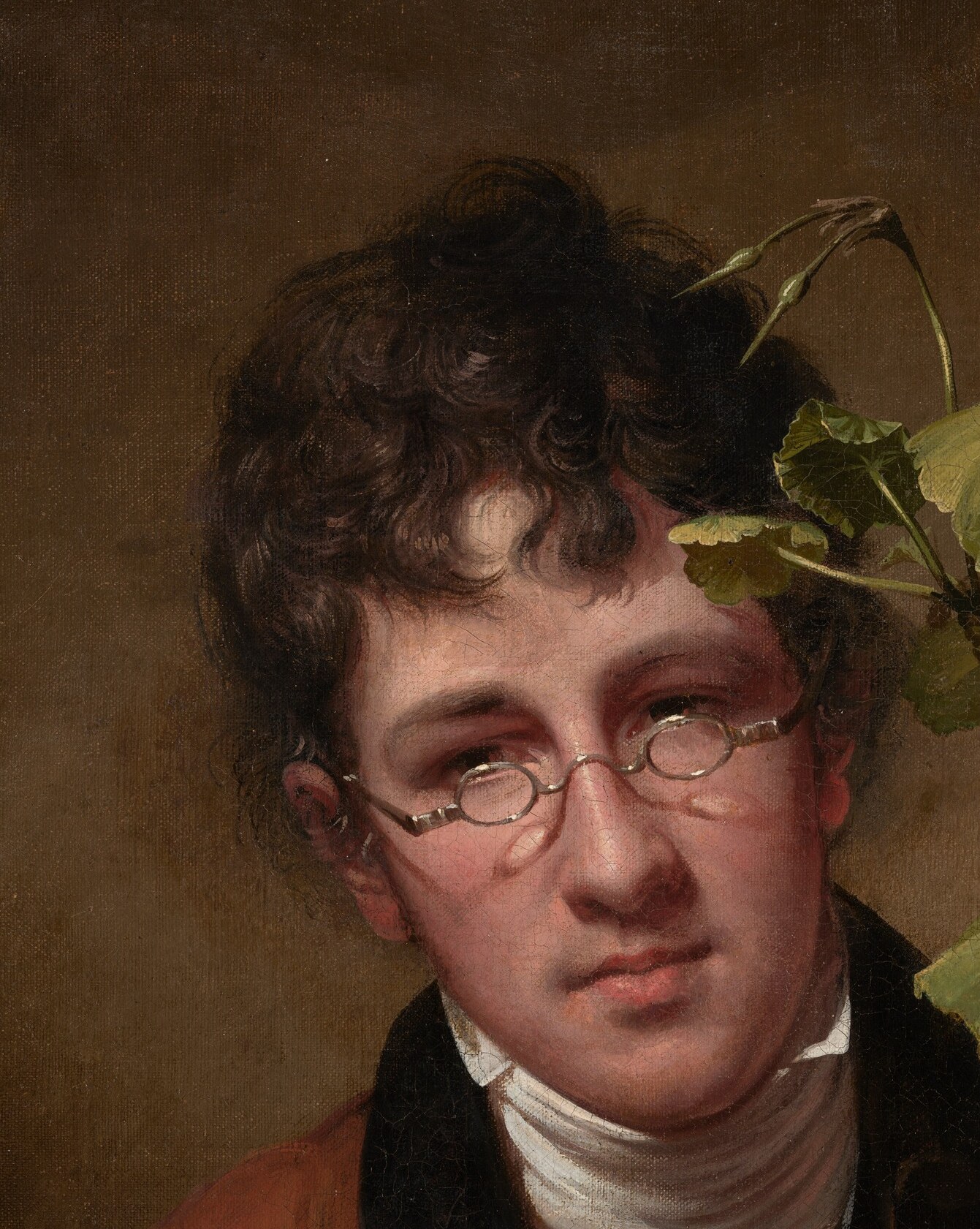
This is Rembrandt Peale's "Rubens Peale with a Geranium," painted in Philadelphia in 1801. It hangs today in the National Gallery of Art, which calls it "among the finest portraits in the history of American art." At the time it was painted, the Peale family was flat broke. Charles Willson Peale, the patriarch, had staked everything on his Philadelphia museum of natural history and art. When the money ran out, the family scraped together their last sixty dollars to buy a shipment of canvases from London so the children could keep painting.
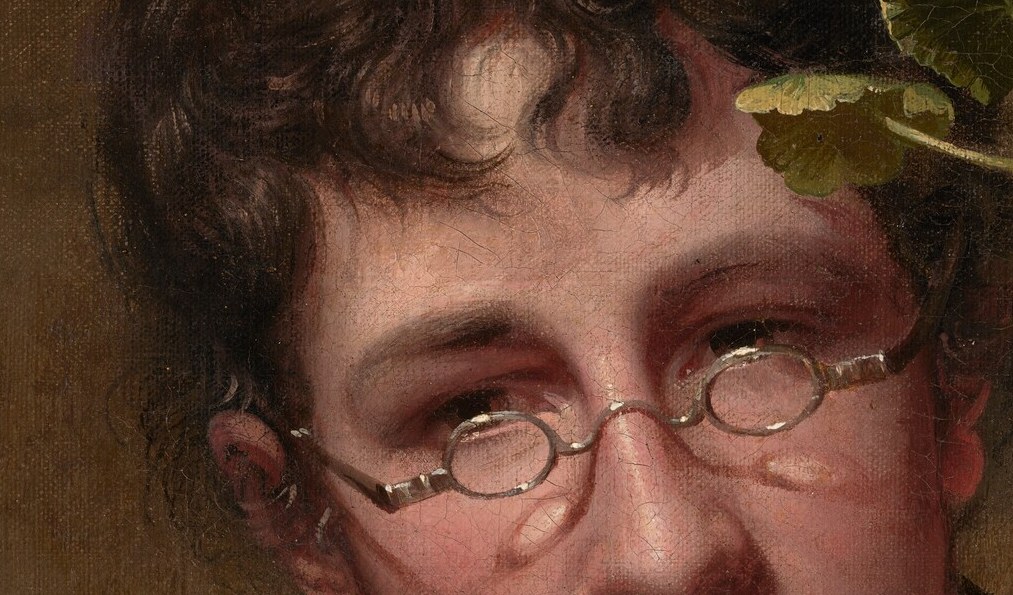
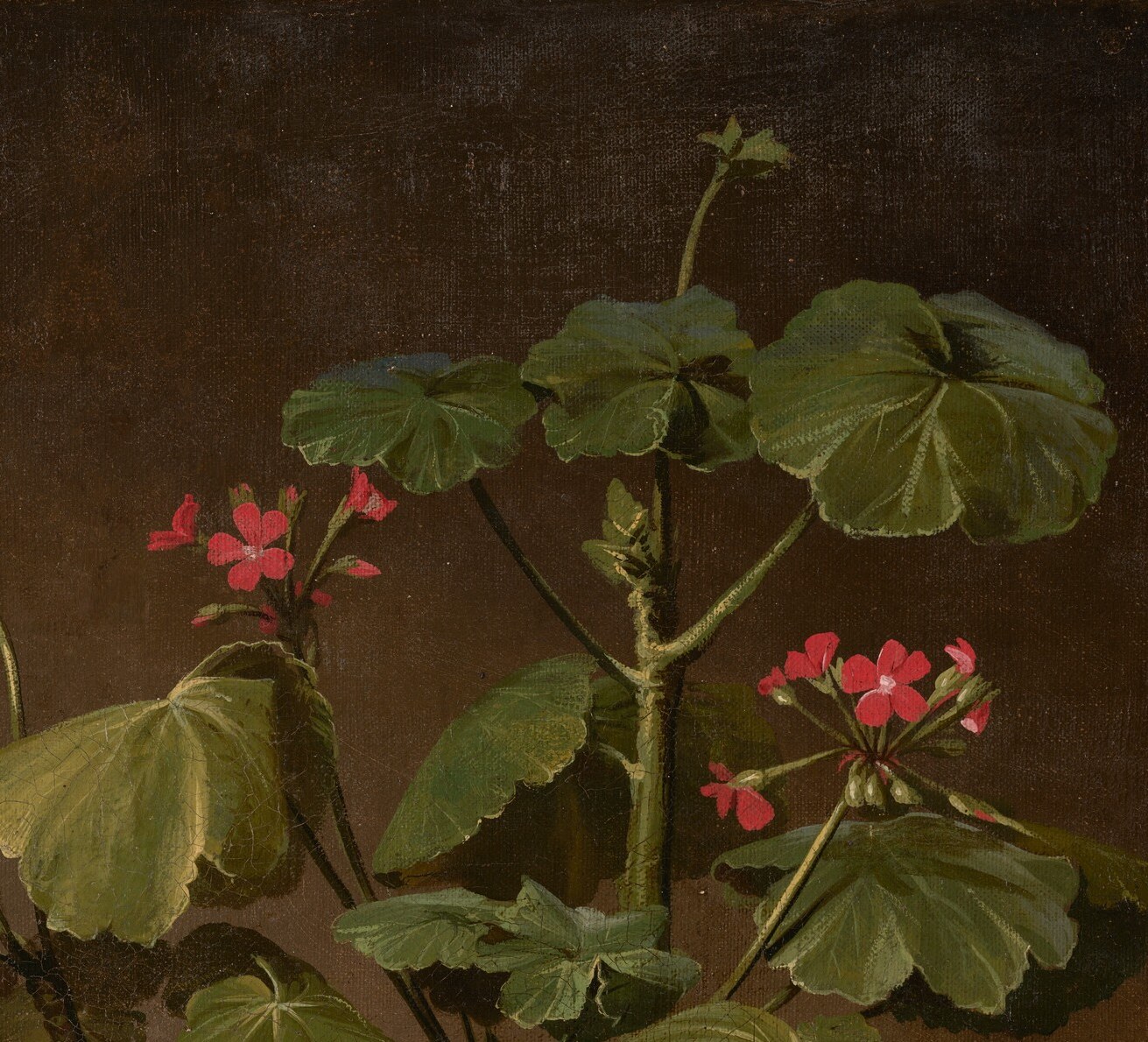
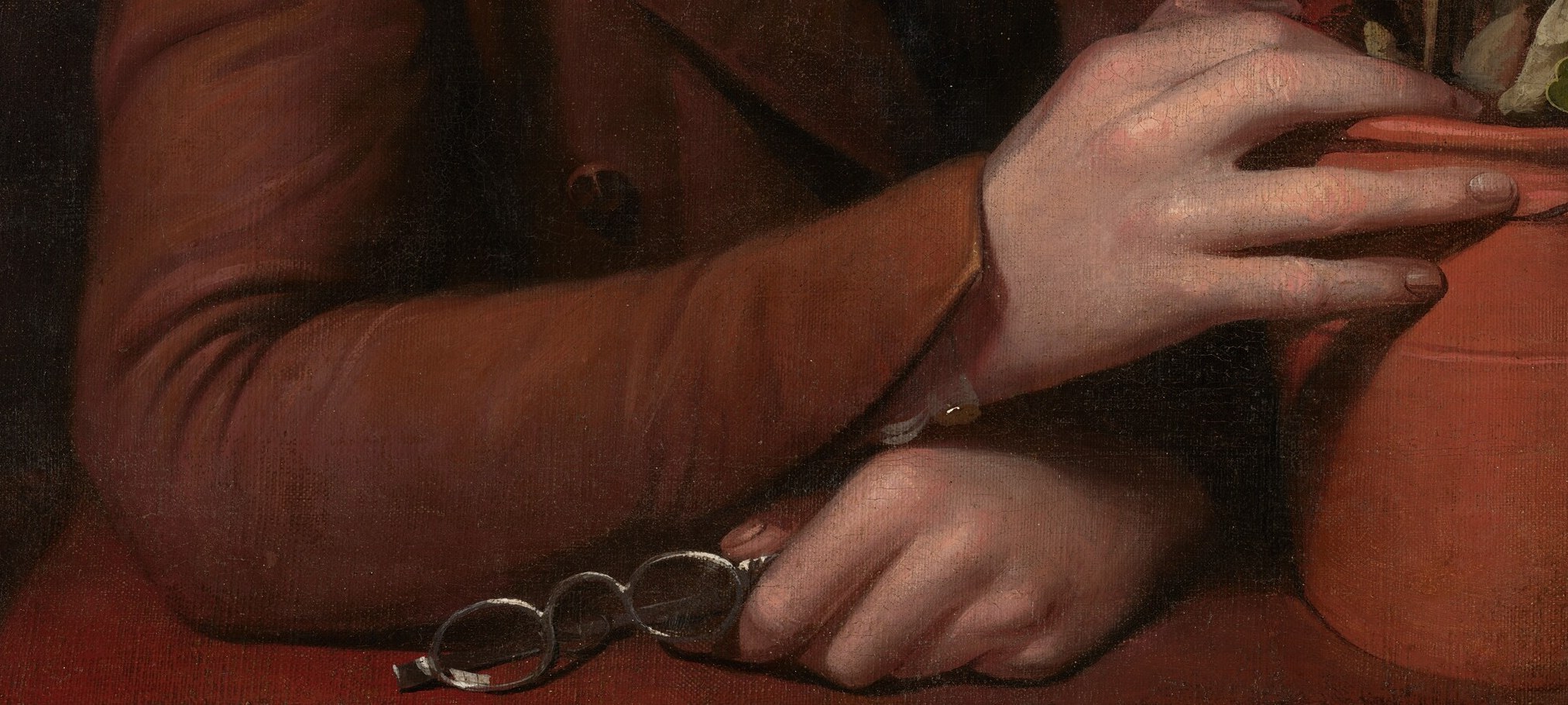
Look at the glasses on Rubens's face. He had severe myopia, and Rembrandt painted the spectacles exactly as they were, no flattery, no omission. Then look at how Rubens's hands cradle the terracotta pot. The geranium was not a decorative prop. Rubens ran the museum's botanical collections and raised this plant himself. Every detail, the leggy stems, the veined leaves, the single burst of red bloom, comes from a family culture of obsessive, scientific looking.
Rembrandt Peale was twenty-three when he painted this. Rubens was seventeen. The portrait became one of the defining works of the Peale family and stayed in their possession for a hundred and thirty years, passing from Rubens to his descendants until his granddaughter sold it in 1931. In 1985, the National Gallery bought it at auction for $4.07 million, a record for an American portrait at the time.
The last canvas from a sixty-dollar gamble became a national treasure. What would you have painted on it?
Details

Transcript
Philadelphia, late 1801. The Peale family was out of money. They scraped together sixty dollars for one last shipment of canvases from London. On one of those canvases, a 23-year-old painter made this portrait of his brother. Look through the glasses. Rubens wore them because he was severely nearsighted. The geranium was not a prop. It was his prize specimen. He ran the family museum and raised every plant and animal in it himself. That final sixty-dollar shipment saved the museum and launched the painter's career. The painting stayed in the family for 130 years.