View of Wilders Square at Christianshavn. Evening, 1906 by Edvard Weie
Edvard Weie's "View of Wilders Square at Christianshavn. Evening," painted in 1906, offers more than just a tranquil cityscape from the Statens Museum for Kunst collection. It's a subtle narrative of early 20th-century urban life and industry in Copenhagen.
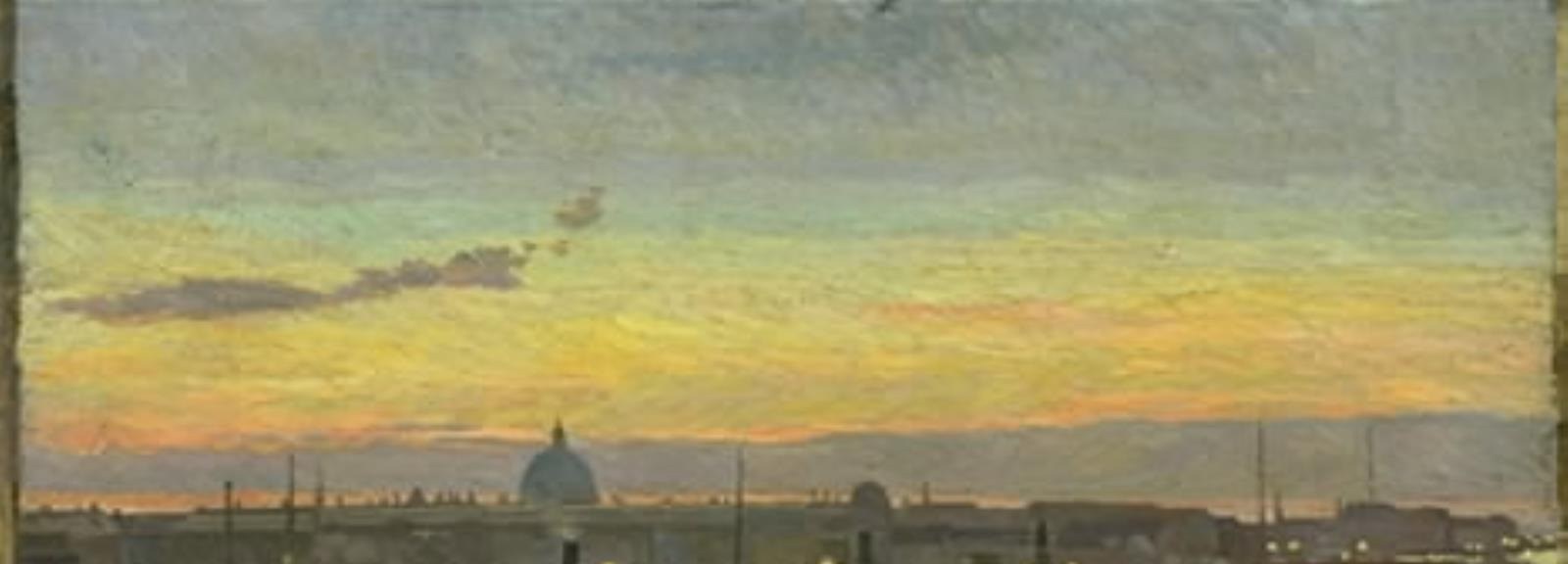
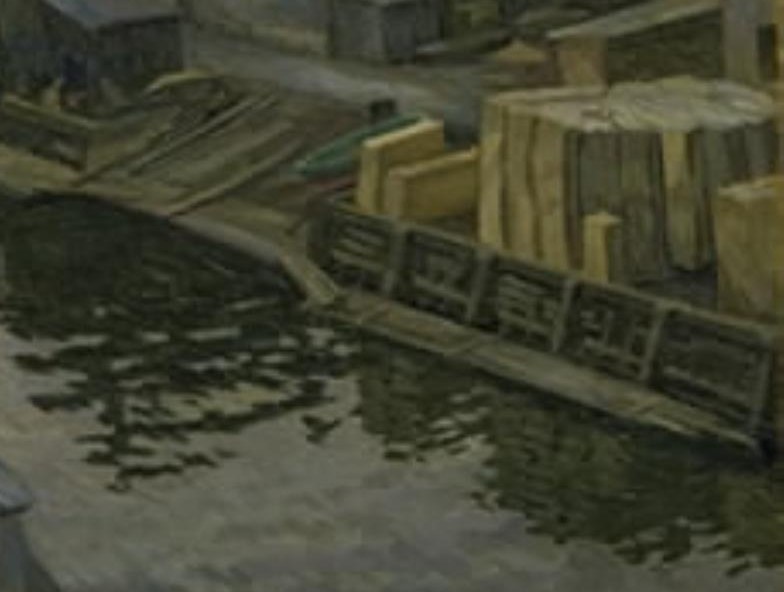
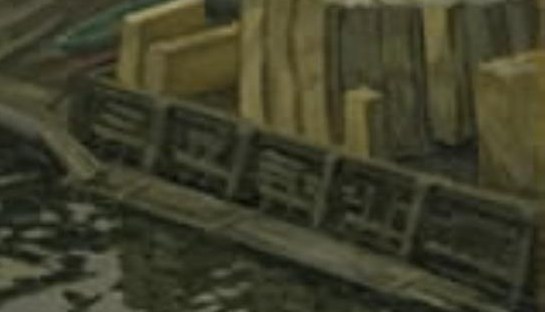
Look closely at the canvas. The soft, atmospheric sky and the reflections on the canal water invite contemplation, typical of Weie's Modernist approach. However, elements like the dark steamship and the stacked crates on the barge tell another story: one of a working city, where industry and commerce shaped the daily rhythm.
Weie, a Danish painter who later received the Eckersberg Medal, masterfully blends the serene with the functional. The painting captures the precise moment when day yields to dusk, a metaphor perhaps for a society transitioning, with traditional beauty and emerging modernity sharing the same frame.
What details do you notice that speak to the dual nature of this captivating scene?
Details
Transcript
This tranquil evening scene captures Copenhagen in 1906. The painter was a Danish Modernist, known for his atmospheric work. Yet, a dark steamship breaks the calm. It signals the industrial pulse of Christianshavn's canals. On this barge, stacked crates suggest ongoing commerce. The city's quiet beauty coexisted with its working life.