The Crucifixion by Palma il Giovane
View the artwork: The Crucifixion →
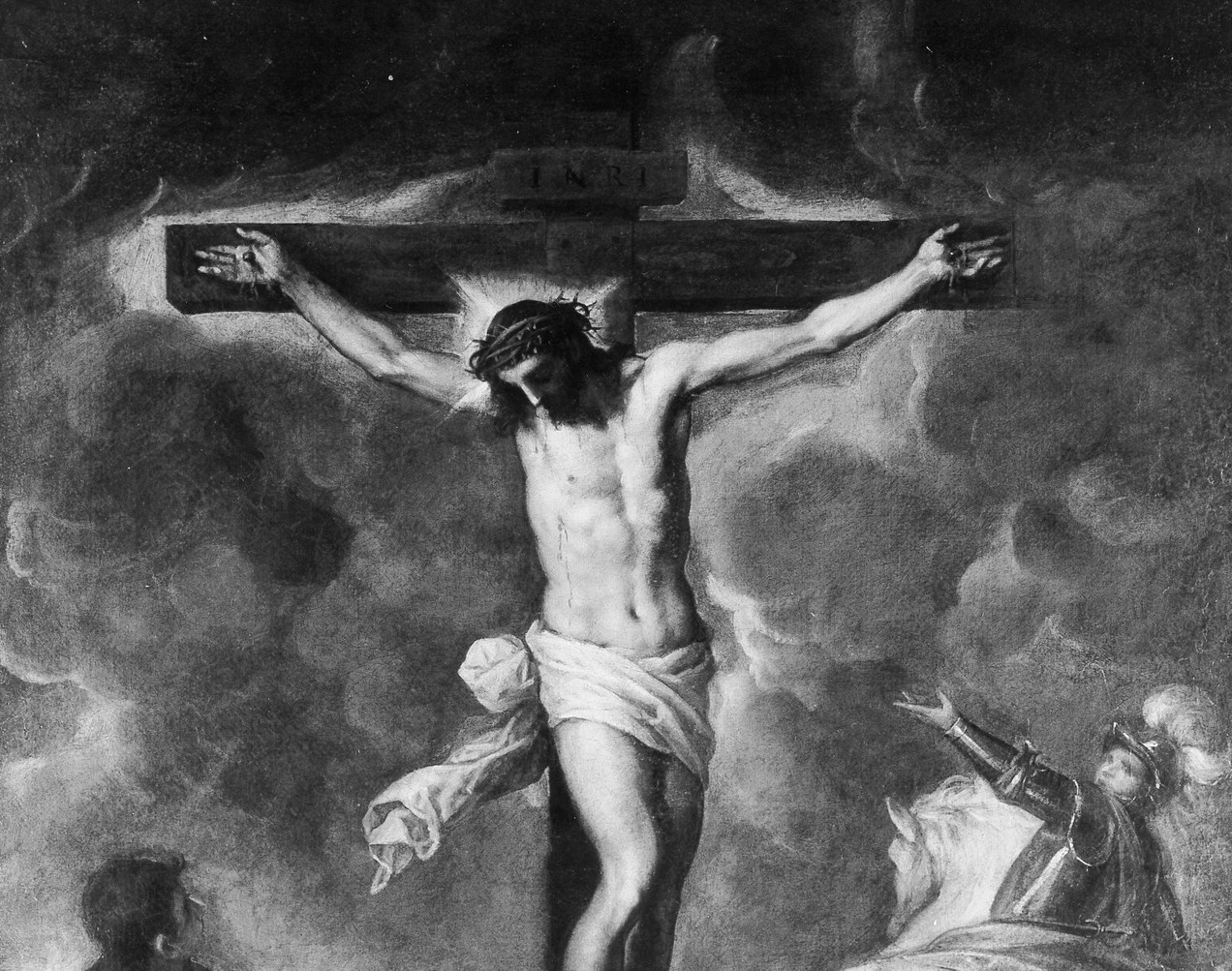
Jacopo Palma il Giovane signed this Crucifixion at Christ's feet, in the exact spot a Roman centurion would have stood to declare, 'Truly this was the Son of God.' It is an act of devotional humility and self-promotion folded into a single stroke of paint. 'The Crucifixion,' dated 1596, hangs today at the Metropolitan Museum of Art.
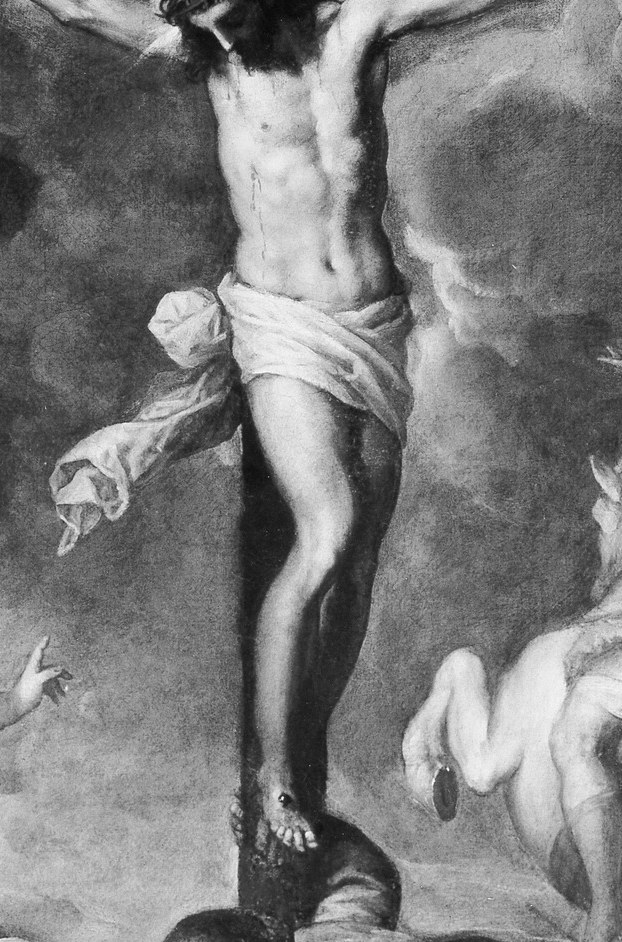
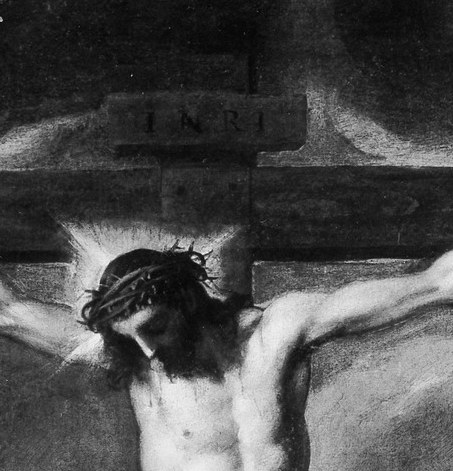
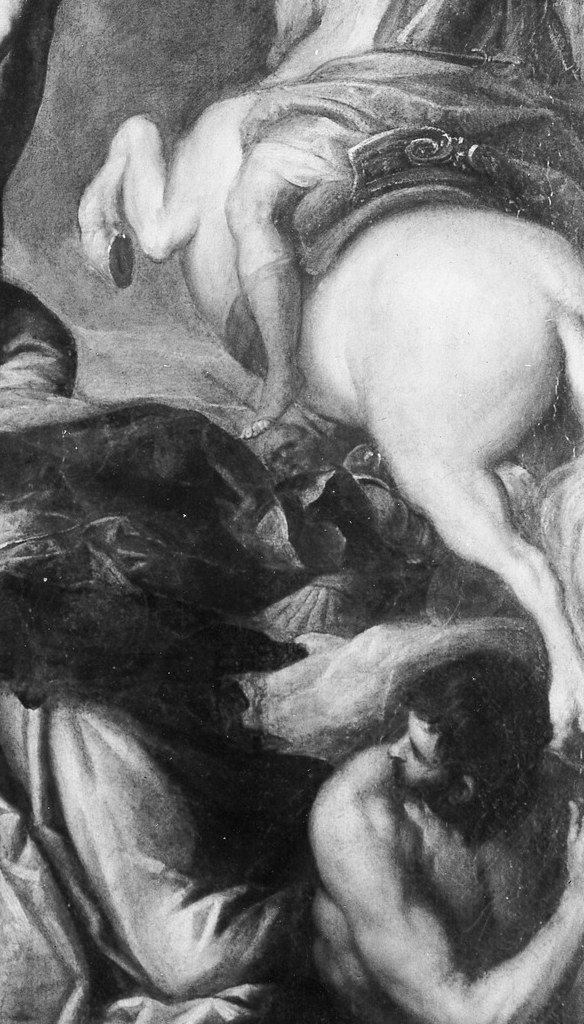
Palma constructed the scene as a codex of symbols. The trilingual INRI tablet is the legal charge made cosmic. The white horse carries imperial Rome onto Golgotha in deliberate contrast to the luminous, broken body above it. The loincloth flutters in a wind that touches nothing else in the painting, Palma's Mannerist shorthand for the breath of God moving through a frozen moment. Even the dark sky is a direct scriptural citation from Matthew's gospel.
Palma painted this two years after Tintoretto's death left him as the undisputed leading painter of Venice. He was filling church commissions at a prodigious rate, fusing Venetian color with the elongated, dramatic gestures of Central Italian Mannerism. The canvas passed from Venetian dealer Italico Brass to New York banker Robert Lehman, who donated it to the Met in 1957.
Next time you stand before a Renaissance Crucifixion, look for the wind. It is never just weather.
#arthistory #palma il giovane #venetianpainting
Details
Transcript
They look like stage props, but everything here is a signal. The sign above his head was the legal charge. It reads in three languages. The white horse carries Roman military power to the foot of the cross. The loincloth flutters in a wind that touches nothing else. A Mannerist trick for divine breath. The sky has gone dark at noon. The gospels record it. Every symbol says the same thing: earthly power answered to a higher one today. And the painter put his name at Christ's feet, where the centurion would have stood.