Man from the Albanian Coast by Jean Baptiste Vanmour
Jean Baptiste Vanmour's 'Man from the Albanian Coast,' painted in 1718, is a window into the diverse peoples of the Ottoman Empire during the early 18th century. This oil on canvas, now in the Rijksmuseum, captures the rich cultural tapestry of the time.
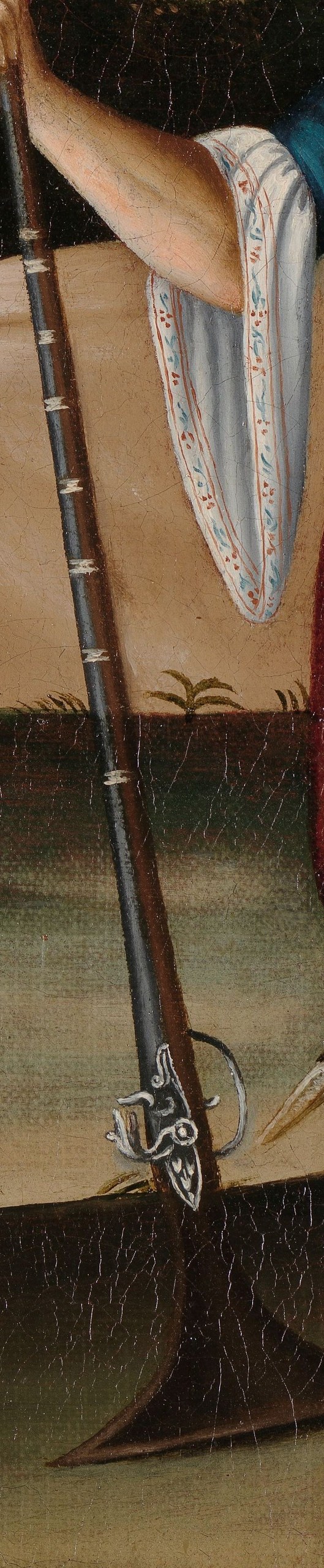
Observe the man's striking attire: the vivid red turban, the detailed blue jacket, and the traditional red skirt. These elements, along with his rifle and sword, convey his status and martial identity. Vanmour's precise brushwork brings every detail to life.
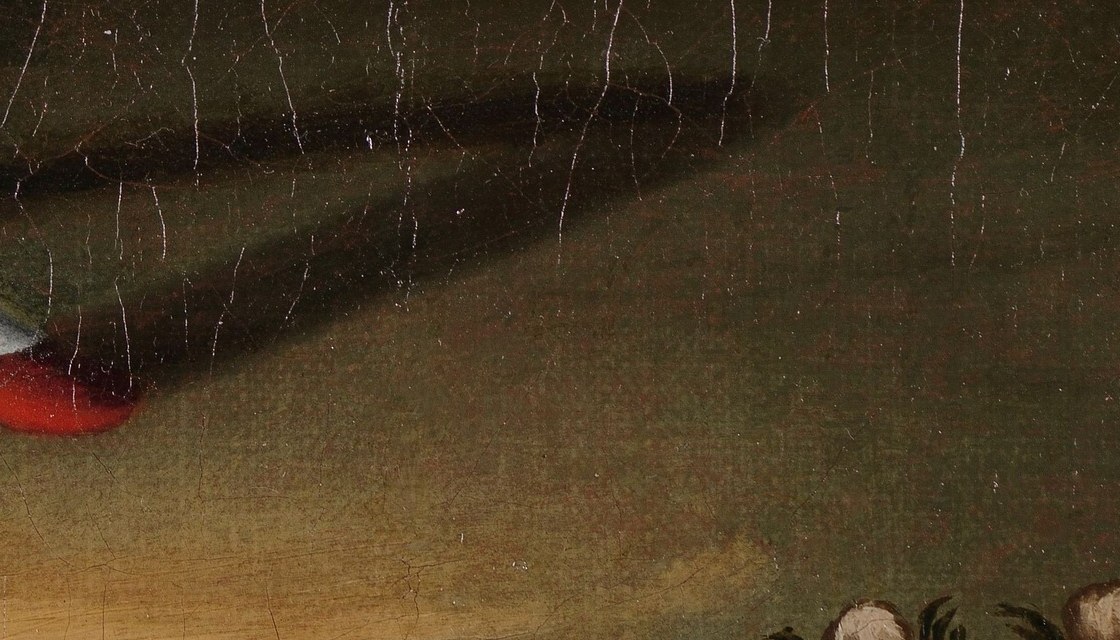
Vanmour was a Flemish-French painter who spent decades in the Ottoman Empire, meticulously documenting its life and customs. This painting, with its hidden '29' in the corner, was likely part of a larger series, functioning almost as an ethnographic record for European audiences. These works fueled the Orientalist movement, offering a glimpse into a world far removed from Europe.
It's fascinating to consider how such a small, unassuming detail can reveal so much about the painting's original purpose and its place in art history.
Details
Transcript
This 18th-century painter spent decades in the Ottoman Empire. He documented its diverse people, like this man from Albania. The vibrant red turban and blue jacket show his high status. His long rifle and sword mark him as a warrior. But look closely, there is a small detail. A tiny number '29' in the corner. It means this painting was part of a series, a catalog of the world.