The Angel Appearing to Zacharias by William Blake (British, 1757–1827)
William Blake's *The Angel Appearing to Zacharias*, painted in 1800, captures a pivotal moment from the biblical narrative with profound emotional intensity. This work, part of The Metropolitan Museum of Art collection, showcases Blake's unique approach to spiritual themes during the Romantic era.
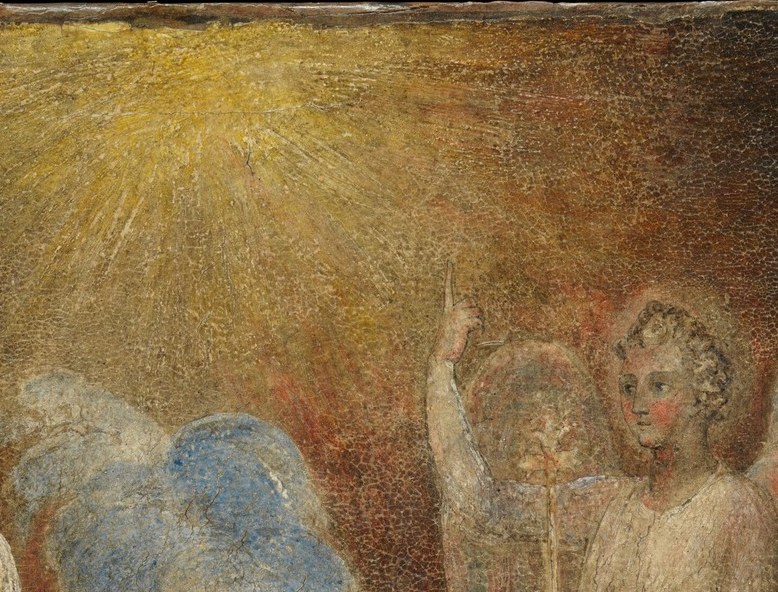
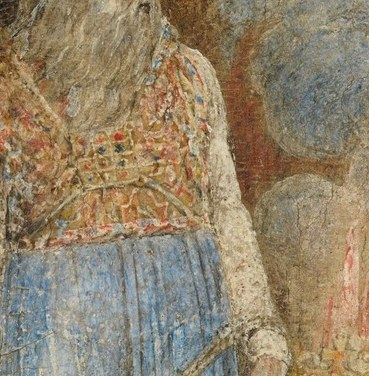
Look closely at the expressions of Zacharias and the angel. The angel's calm demeanor contrasts sharply with Zacharias's evident awe and fear, capturing the dramatic impact of the divine message.
Blake, an English poet, painter, and printmaker, was largely unrecognized in his lifetime. His highly imaginative and spiritually charged interpretations of religious subjects, however, later established him as a seminal figure in the Romantic Age.
This painting speaks to the human experience of encountering the divine, and the weight of unexpected miracles.
Details
Transcript
Zacharias, an old priest, performs his duties in the Temple. Then, a radiant angel appears to him by the altar. The angel tells Zacharias he will have a son, despite his old age. Zacharias doubts, so the angel strikes him mute. He will not speak again until his son, John the Baptist, is born. William Blake, a visionary artist, painted this in 1800.