Sick Woman at the Doctor's by Gerrit Dou
Gerrit Dou's "Sick Woman at the Doctor's" from 1665 offers a fascinating window into 17th-century Dutch life and medicine. This meticulously detailed oil painting, typical of the Leiden fijnschilders, captures a quiet, intimate moment during a house call.
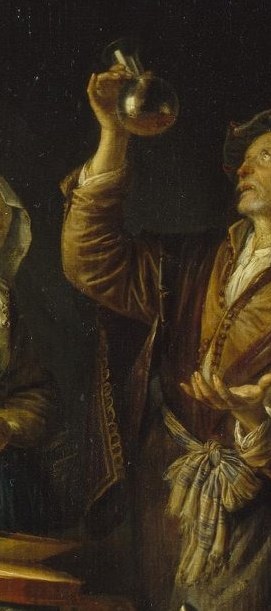
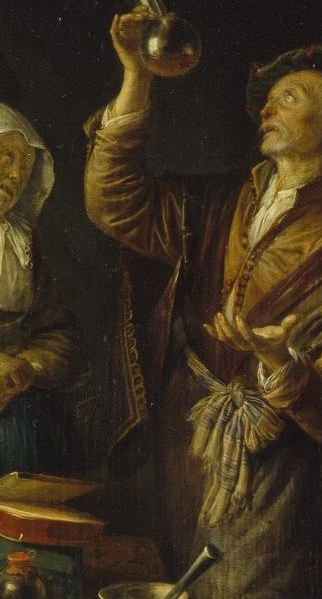
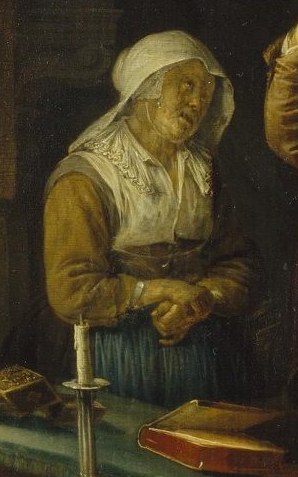
Notice the physician's focused examination of the glass vial, a central element in the traditional practice of 'piskijken,' or urine-gazing, a diagnostic method of the era. The patient sits patiently, her expression hinting at her ailment, while a skull on the table serves as a stark memento mori, a common theme in Golden Age art reminding viewers of life's transience.
Dou, a student of Rembrandt, was celebrated for his highly refined, small-scale works that showcase incredible precision and rich textures. This painting is a testament to his skill in rendering domestic scenes with both narrative depth and intricate detail, grounding the art in the human experience of its time.
What other subtle details do you notice that speak to the daily life of 1665?
Details
Transcript
This 1665 painting shows a doctor’s visit in Golden Age Holland. The physician carefully examines a glass vial. This practice, called 'piskijken', was common then. The sick woman sits, awaiting her diagnosis. A skull on the table reminds everyone of mortality. This painter, a student of Rembrandt, was known for tiny, detailed scenes.