A Village in a Valley by Théodore Rousseau
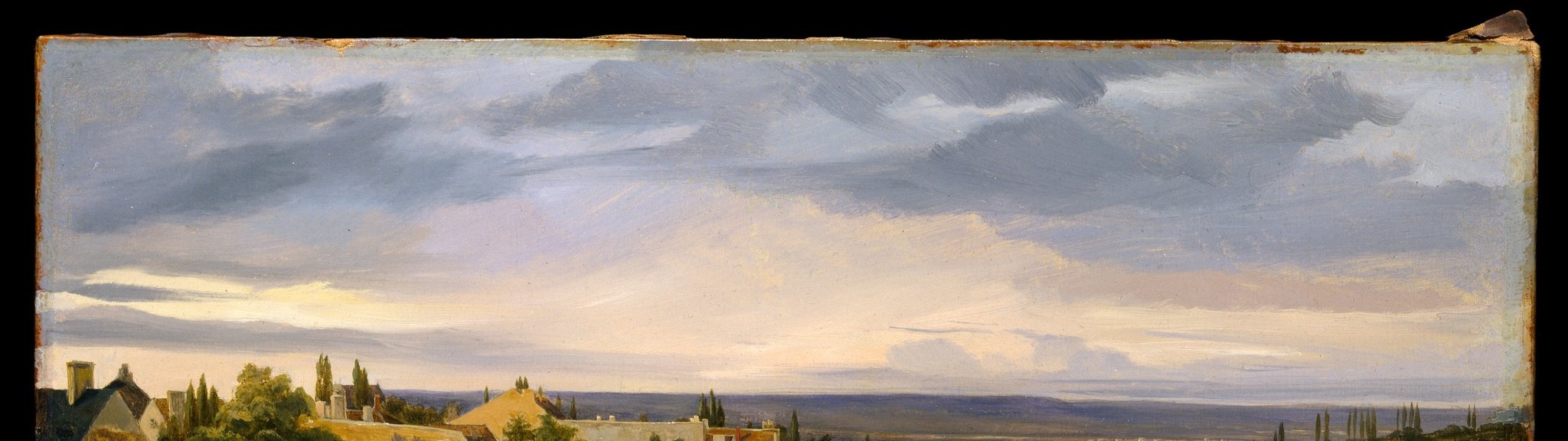
Théodore Rousseau's *A Village in a Valley*, painted in 1820, captures the serene beauty of a rural landscape. This early work by the French artist, now held at The Metropolitan Museum of Art, offers a glimpse into his emerging interest in depicting natural environments, a hallmark of the Barbizon school.
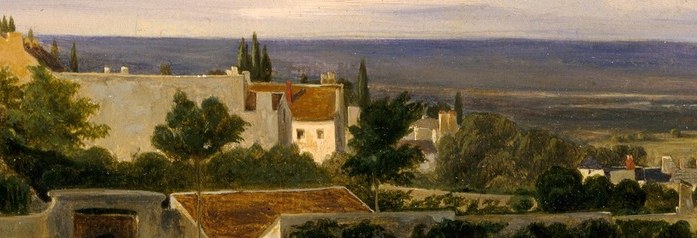
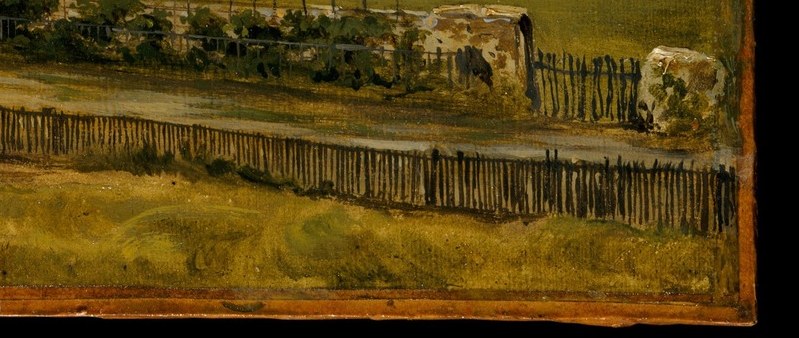
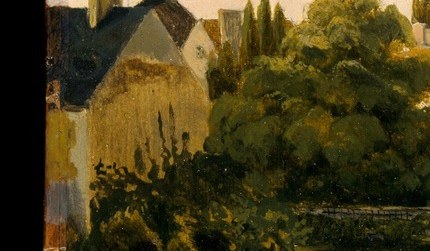
Notice the detailed cluster of village buildings, with the church spires subtly punctuating the skyline, suggesting a lived-in community within the peaceful valley. The golden field in the foreground, interspersed with trees, establishes an idyllic rural setting that draws the eye into the scene.
Rousseau's deliberate use of color and light creates a palpable sense of depth and atmosphere, drawing the viewer into the heart of the village. The painting invites contemplation of a serene, pastoral world through its harmonious visual elements, making it a quiet triumph of landscape artistry.
What feelings does this tranquil scene evoke in you?
Details
Transcript
A tranquil village rests in a valley. This painter was an early pioneer of the Barbizon school. He sought to capture nature's raw, unidealized beauty. Look closely at the church spires, reaching for the sky. They mark the heart of a vibrant, unseen community. The light and shadow create a peaceful, contemplative mood.