Chester Dale by Bellows, George
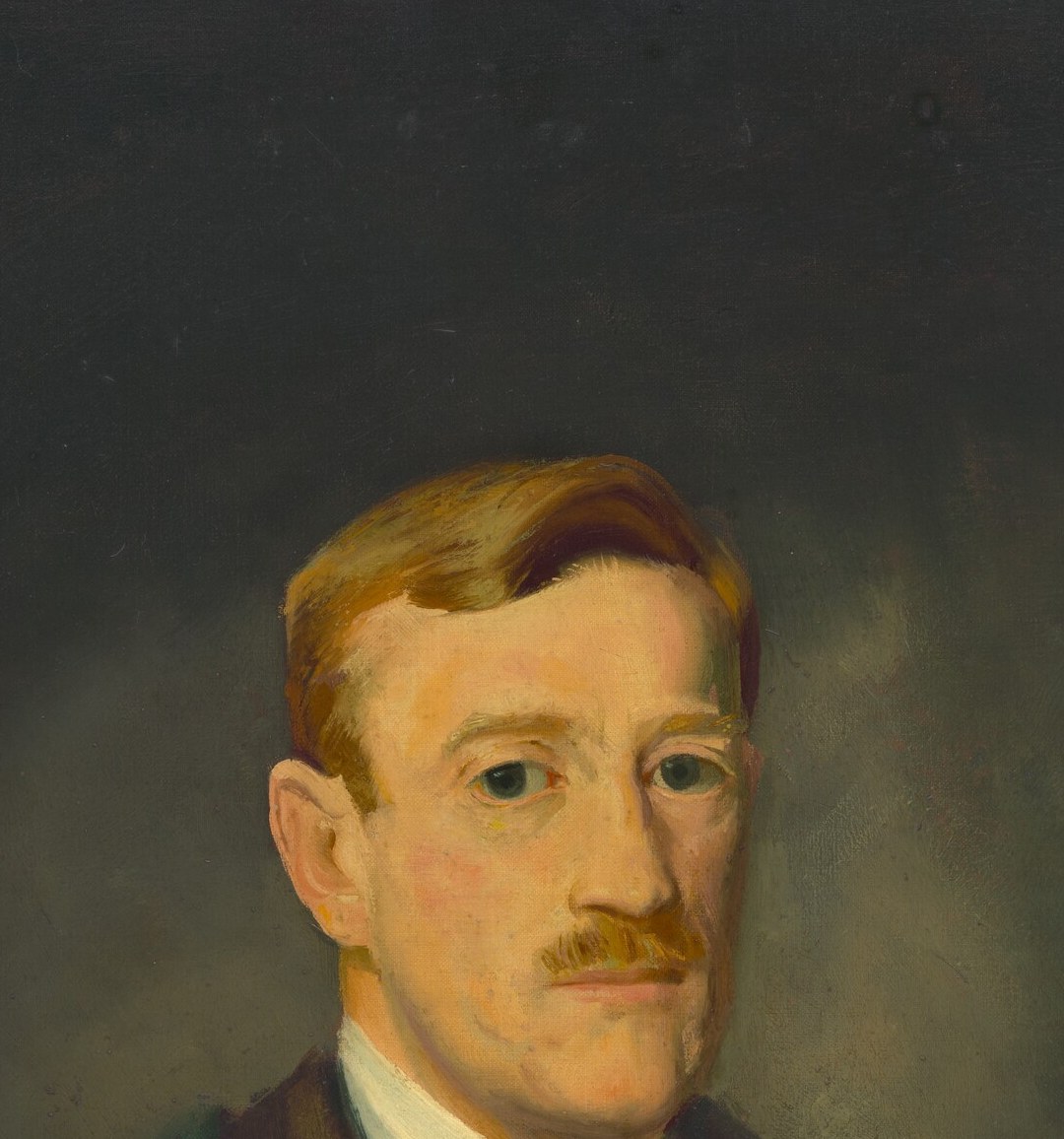
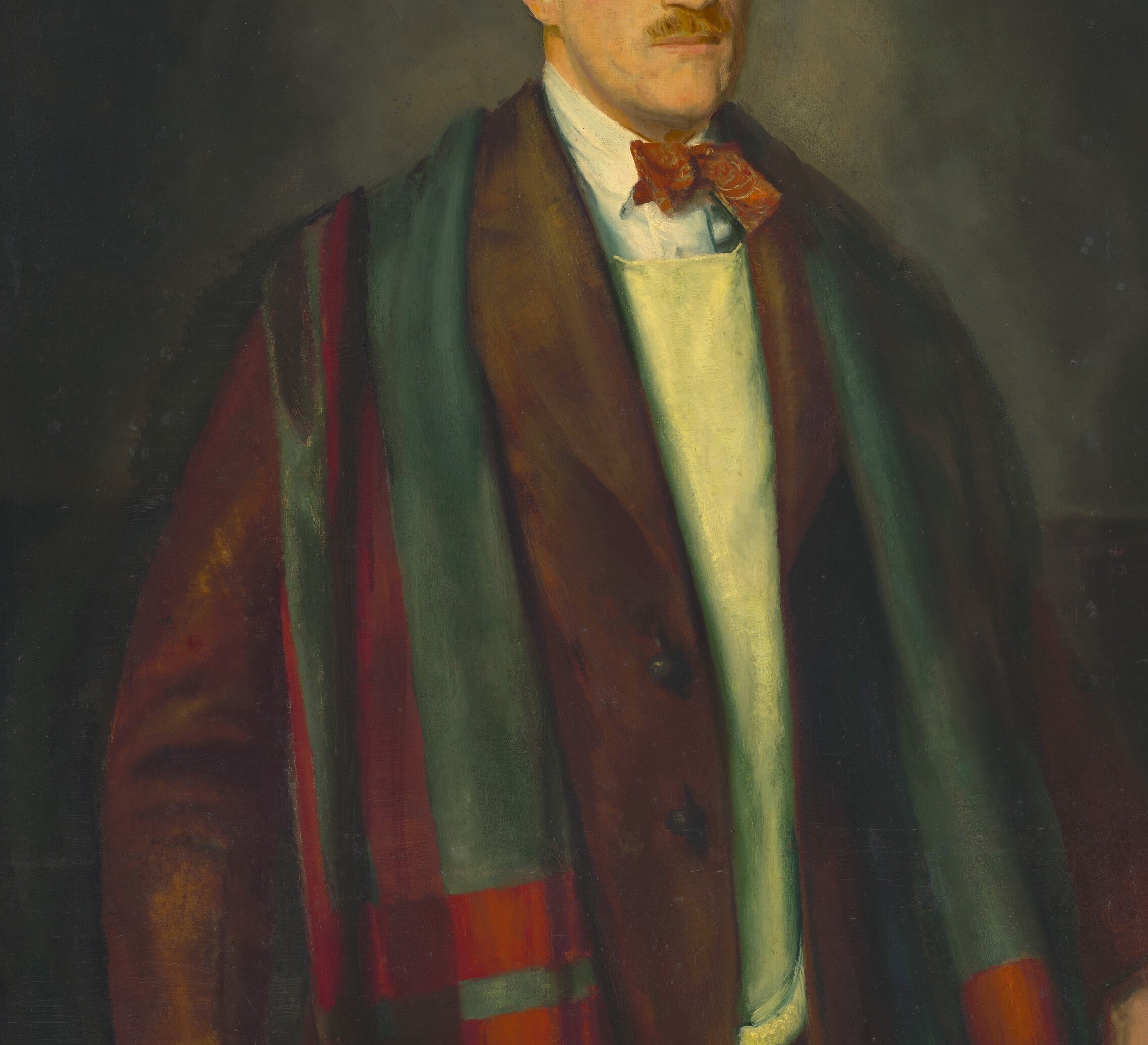
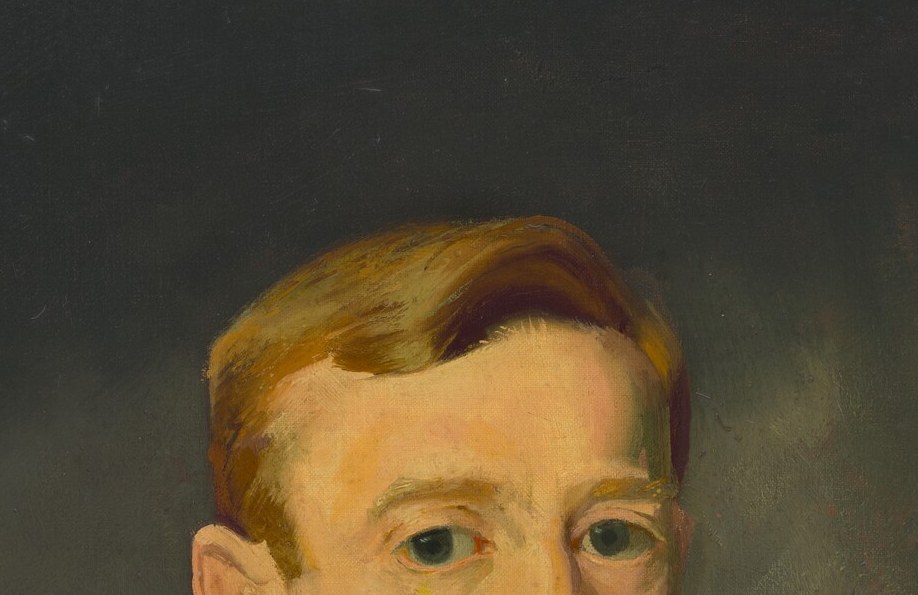
George Bellows painted the financier Chester Dale in 1922, and the result was a portrait so divisive it essentially disappeared for years. Dale paid $500 for it, roughly $9,000 today, a modest sum for a man who would later donate his entire collection, including masterpieces by Monet and Picasso, to the National Gallery of Art in Washington, D.C., where this painting now resides.
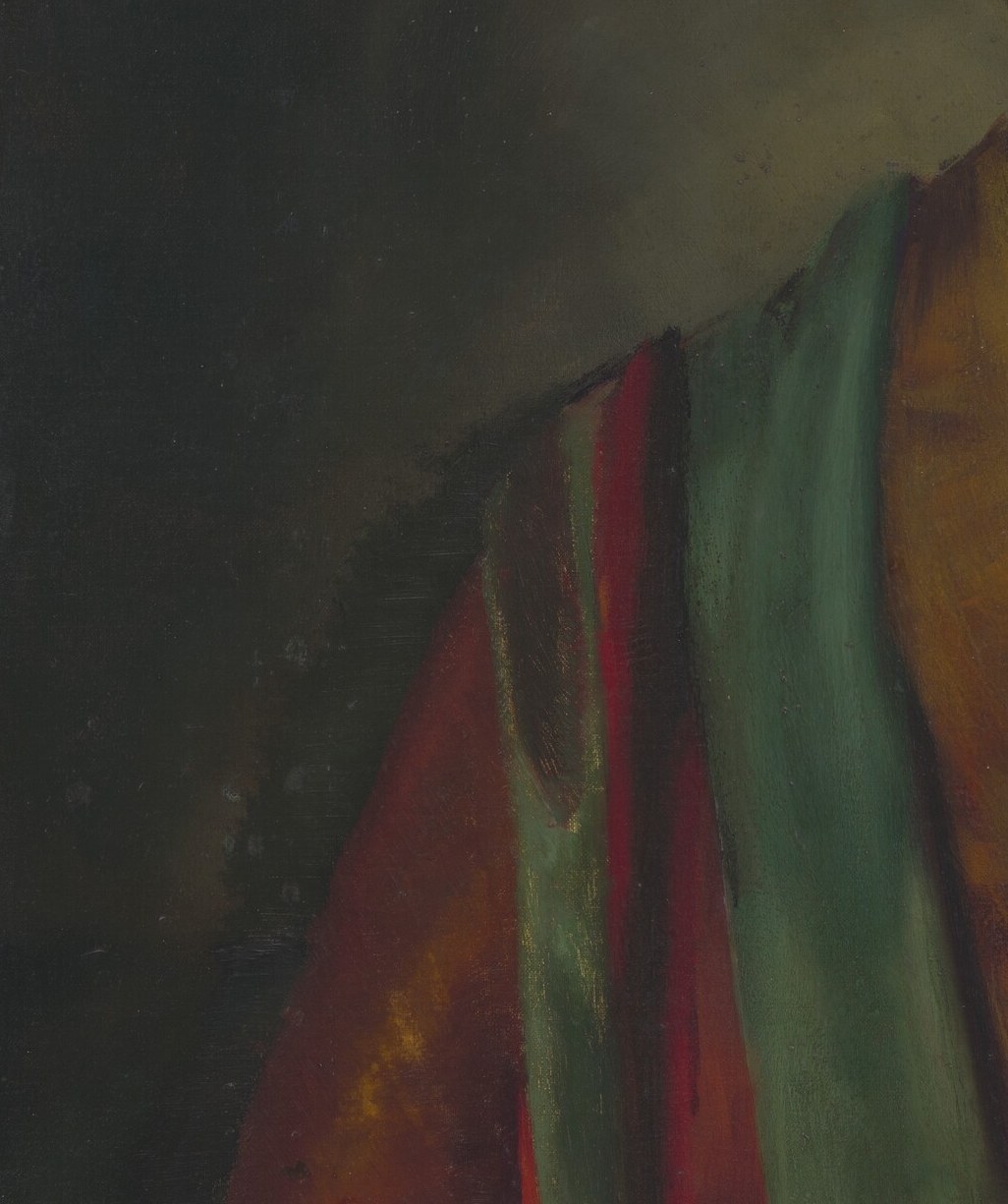
Look at the tartan. Bellows, a leading light of the Ashcan School, was known for capturing the raw energy of boxing rings and tenement streets, not for flattering financiers in Highland dress. The plaid is rendered with thick, directional strokes: reds, greens, deep blues that demand attention. It sits in deliberate, almost clashing contrast with Dale's stiff white collar and sober dark suit. The face beneath is lit with a hard chiaroscuro, one side in deep shadow. Bellows wasn't making a banker look noble; he was making a collector look theatrical.
Chester Dale was a bond trader who made a fortune on Wall Street and spent much of it on art. He and his wife Maud built one of the era's great collections, advised by the critic Maud Dale (no relation, a coincidence that amused them all). The tartan choice may have been Dale's own, a statement of personality from a man accustomed to controlling the room. But critics of the time recoiled. They saw a wealthy man playing dress-up, and they said so. The portrait was exhibited once, panned, and then quietly withdrawn.
Bellows died just three years later, at forty-two, of a ruptured appendix. He never returned to this kind of formal, prop-laden portraiture. The painting only re-emerged when Dale himself bequeathed it to the National Gallery in 1963. It's a record of what happens when a painter of real life is asked to paint a man performing his own mythology, and neither of them quite gets away with it.
Details
Transcript
Chester Dale paid $500 for this portrait in 1922. Dale was a Wall Street financier. He collected art like he traded bonds. Look what Bellows draped over his shoulders. A loud, unapologetic tartan. Not the uniform of a serious banker. Critics called it a sartorial disaster. A rich man's costume party. The reviews stung. Bellows never painted this way again. A year after it was finished, the painting vanished from public view for over a decade.