Breakfast by Roelof Koets
Roelof Koets's "Breakfast," painted around 1633, is a masterclass in rendering everyday objects with astonishing realism. This oil on canvas still life, held at the State Hermitage Museum, invites us to marvel at the subtle textures and reflections.
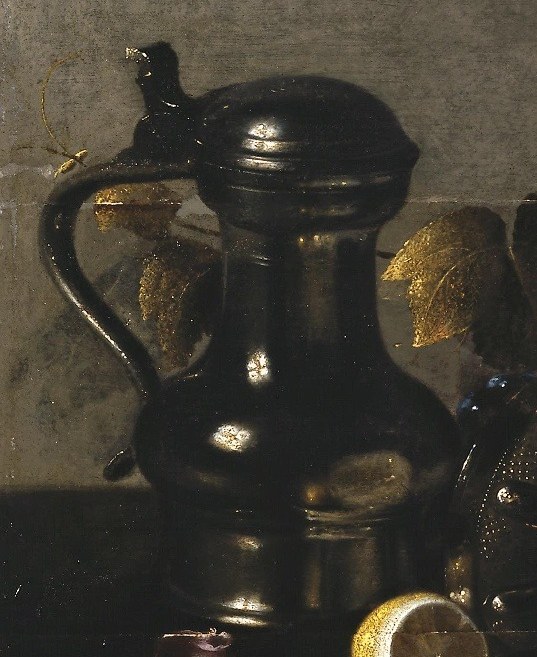
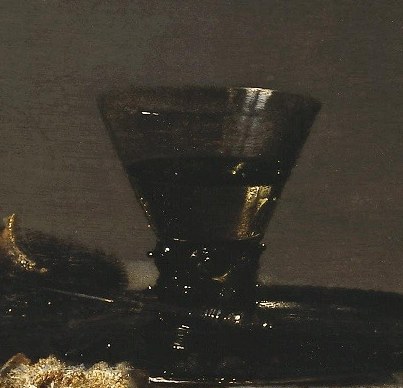
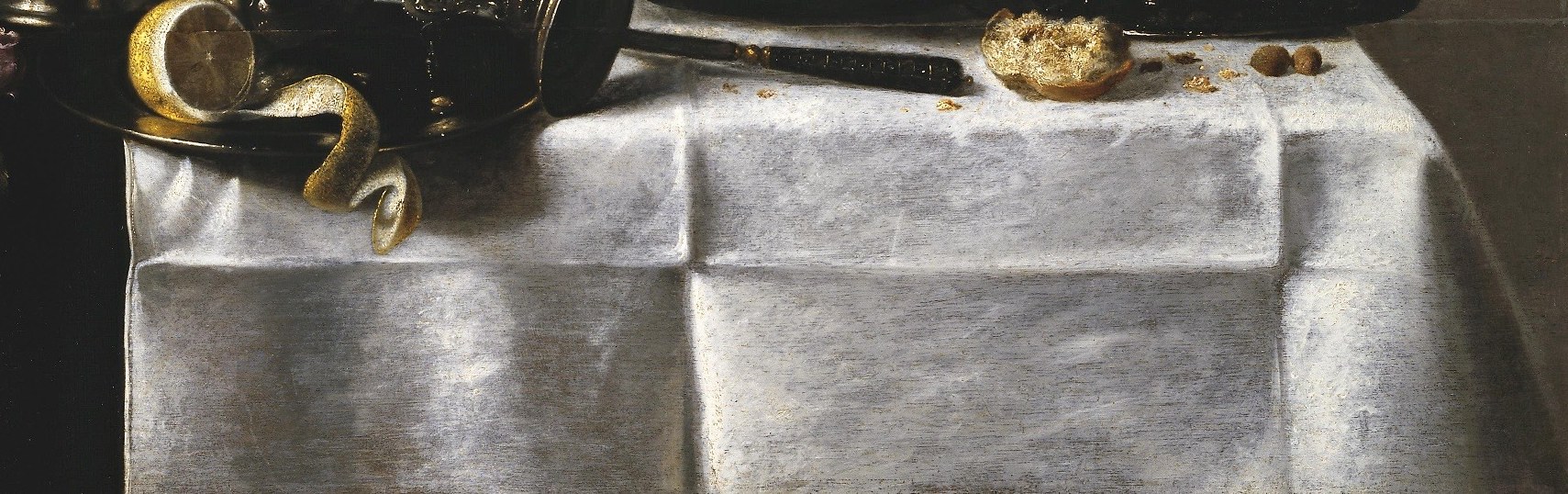
Look closely at the glint on the silver plate, the reflective surface of the dark metal jug, and the almost palpable glass of the goblet. Each element, from the smooth skin of the peeled lemon to the matte texture of the bread, showcases Koets's remarkable skill.
Koets, born in Haarlem, was known for his ability to bring varied material qualities to life within a compact composition. This painting exemplifies the Dutch Golden Age tradition of still life, where ordinary moments and objects were elevated to subjects of contemplation.
How many distinct textures can you find in this scene?
Details
Transcript
This painter rendered the world in oil, one texture at a time. See how the silver plate reflects a dim, unseen light. The heavy dark jug mirrors the space, almost like a window. This dark glass goblet seems to hold actual liquid. He captures the glint of light across the ornate metal cup. Each fold of the white tablecloth feels real to the touch. Roelof Koets was a master of rendering many surfaces.