The Mussel Harvest by Renoir, Auguste
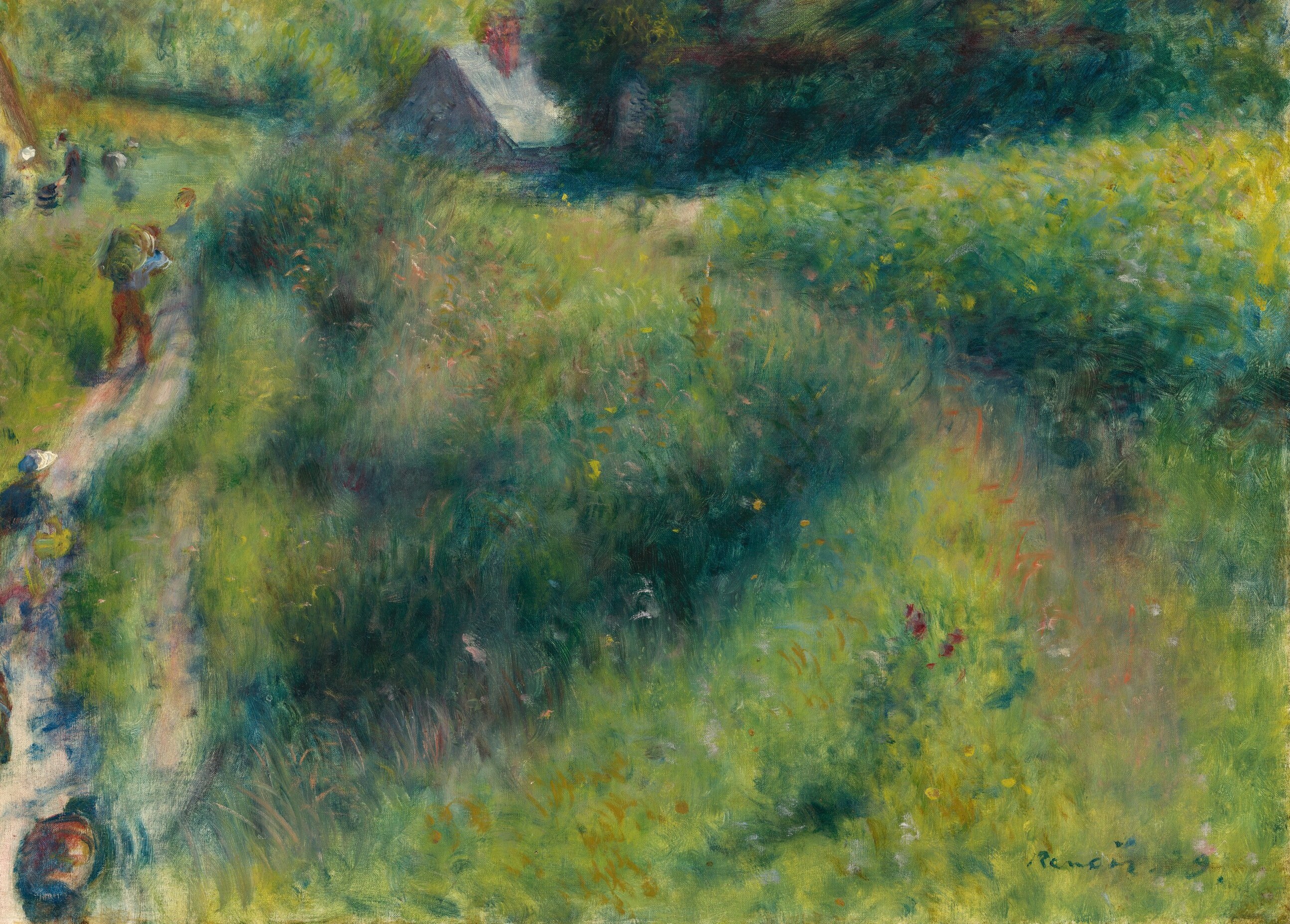
Auguste Renoir's "The Mussel Harvest," painted in 1879, offers a serene glimpse into rural life along the French coast. This oil on canvas, housed at the National Gallery of Art, shows an ordinary moment made timeless by the artist's hand.
Focus on the woman diligently gathering mussels into her woven basket. Her solitary work is a quiet counterpoint to the expansive, atmospheric landscape. In the distance, another figure walks along a winding path, adding a subtle narrative to the scene.
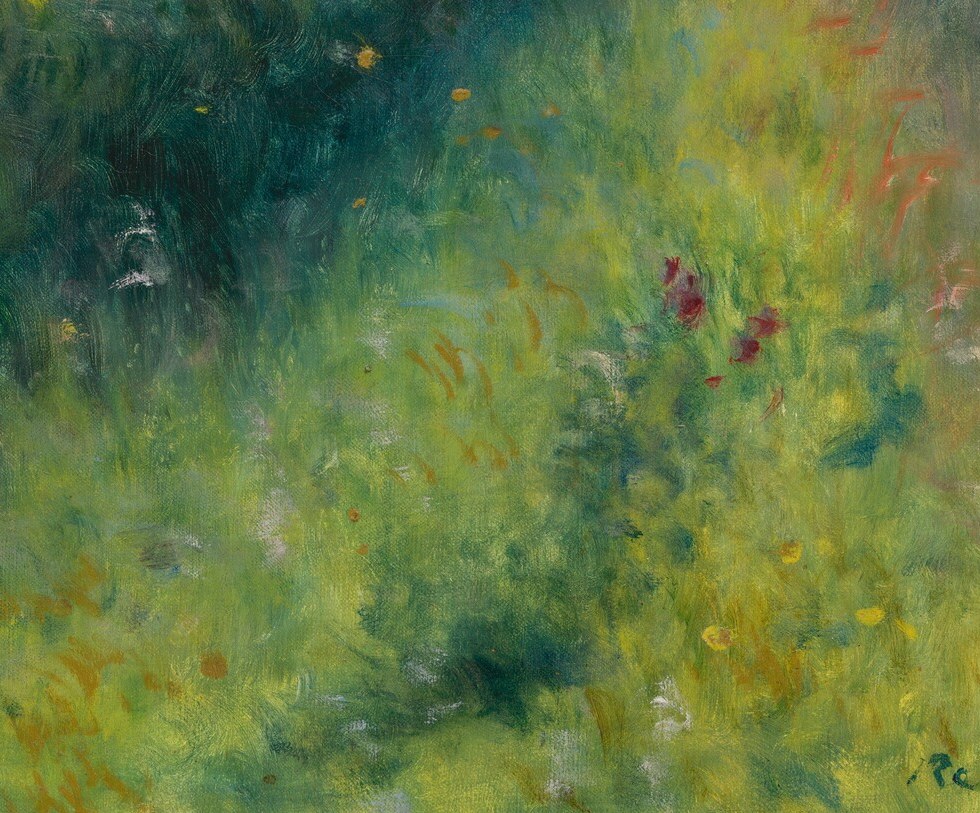
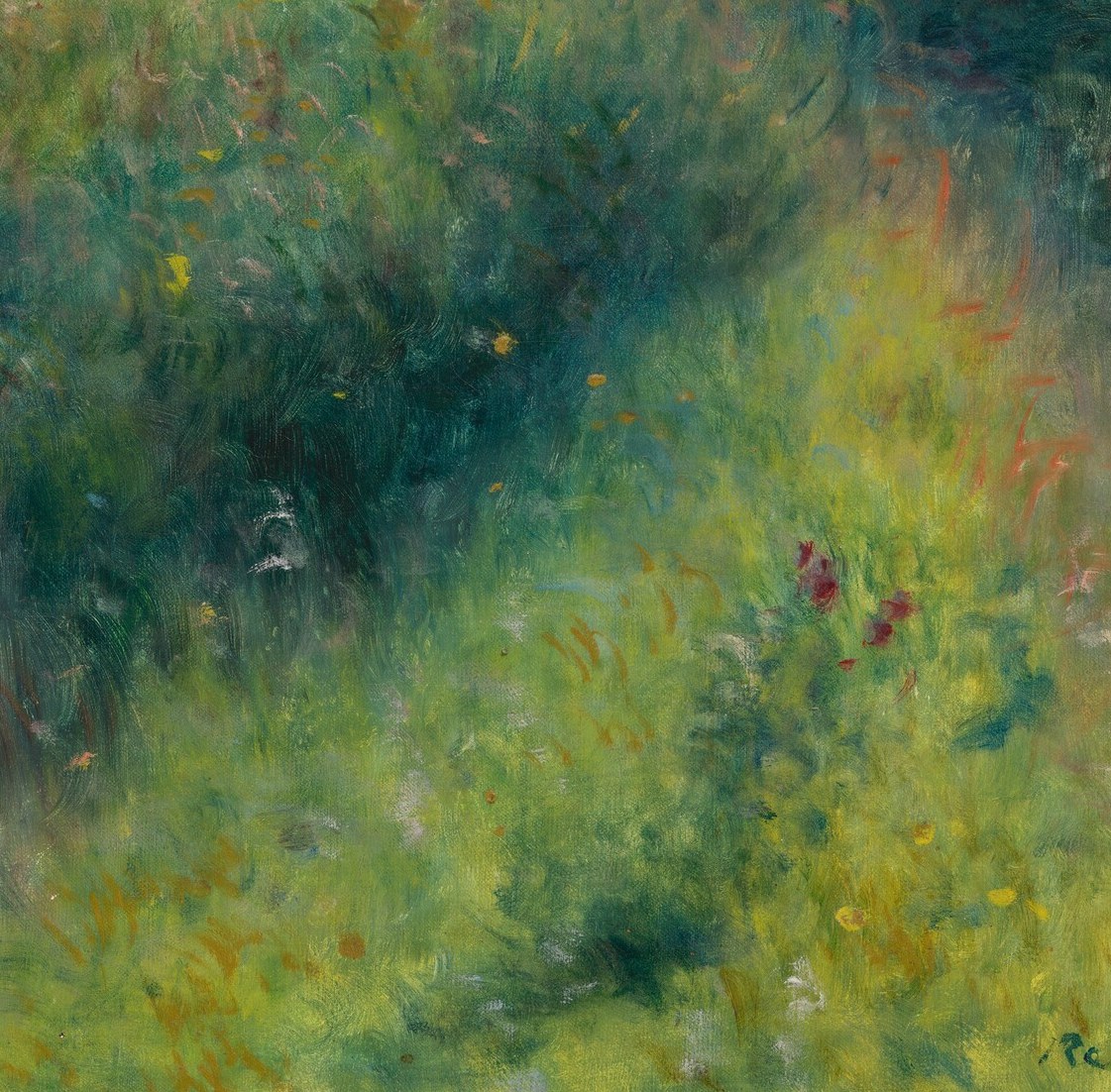
Renoir, a central figure in the Impressionist movement, painted this work a decade after the first Impressionist exhibition. His technique, characterized by small, distinct brushstrokes, aimed to capture the fleeting effects of light and atmosphere, turning an everyday scene into a study of light and color.
This painting invites us to pause and appreciate the simple beauty of labor and nature, rendered with an Impressionist's eye. What details do you notice first?
Details
Transcript
Rural life, 1879. A quiet harvest along the French coast. This woman is gathering mussels from the shore. Notice her woven basket, ready for the day's yield. Another figure, a man, carries a bundle along a distant path. The painter used small, distinct strokes, typical of Impressionism. This work captures everyday life, a common theme then.