1807, Friedland by Jean Louis Ernest Meissonier
View the artwork: 1807, Friedland →
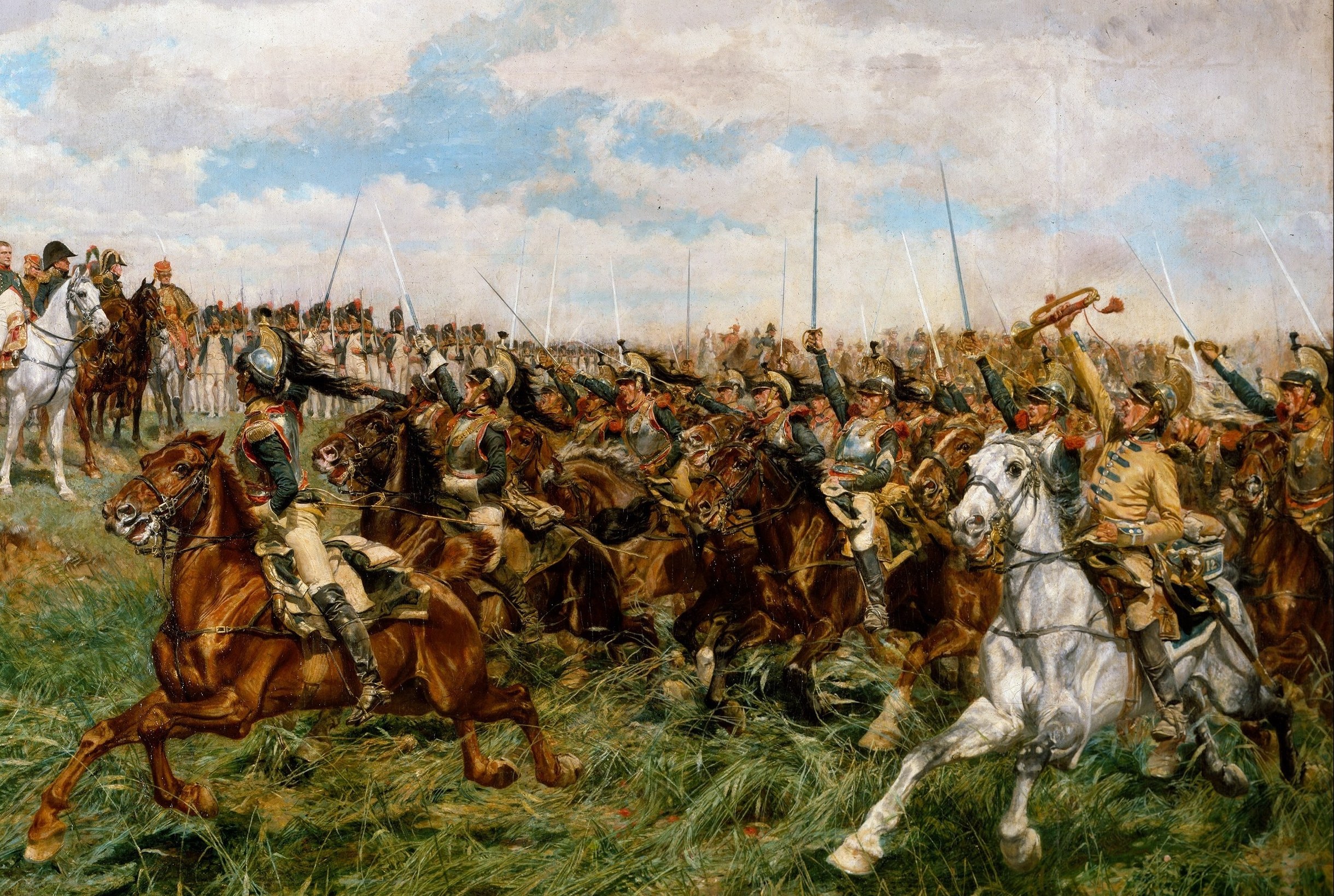
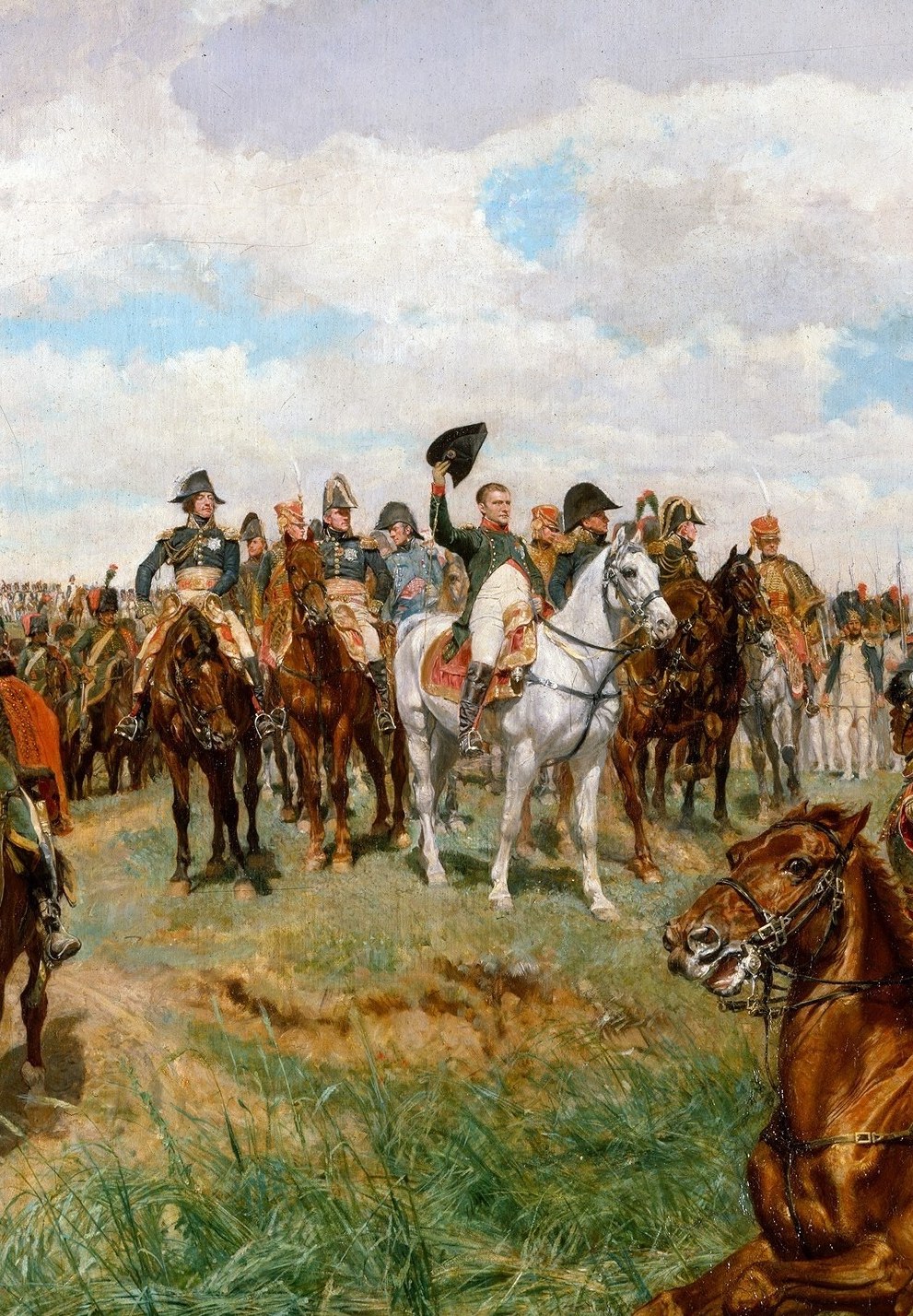
This is Ernest Meissonier's "1807, Friedland," an oil painting completed around 1875 and now in the Metropolitan Museum of Art. It looks like a celebration of Napoleon, but it carries a much grimmer truth in its margins.
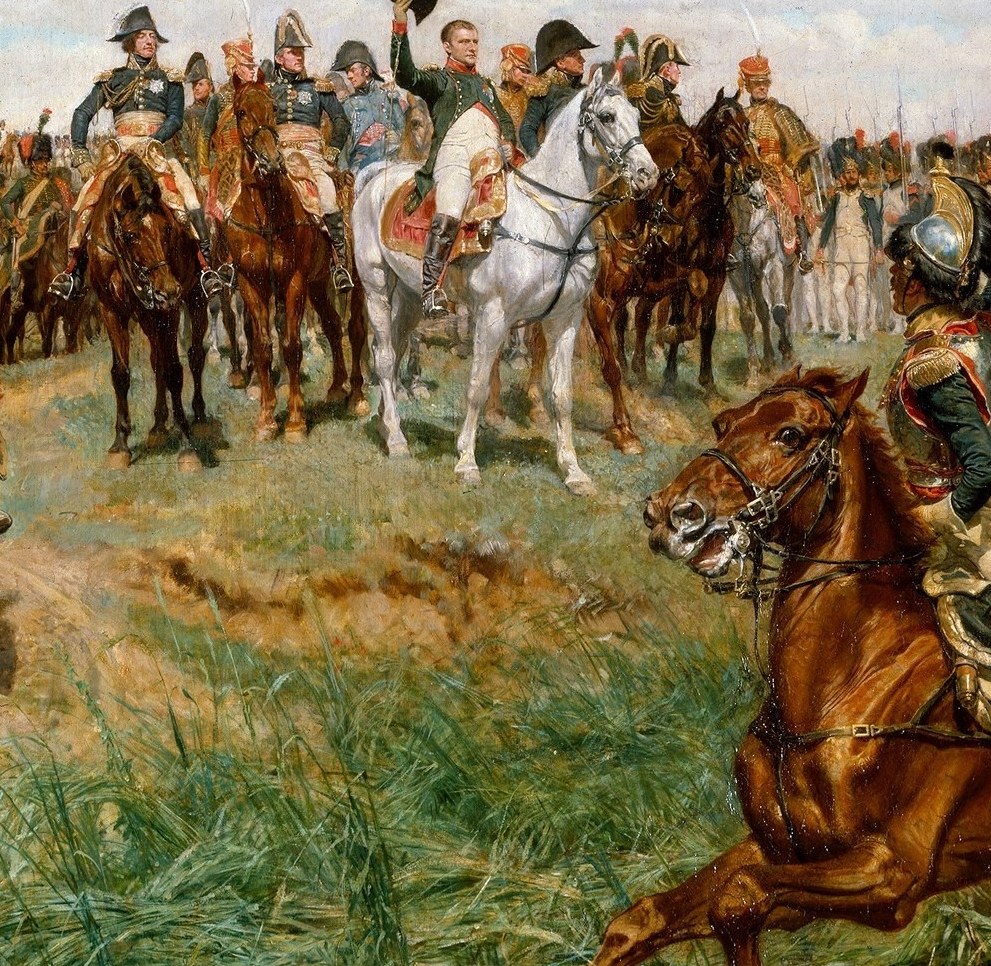
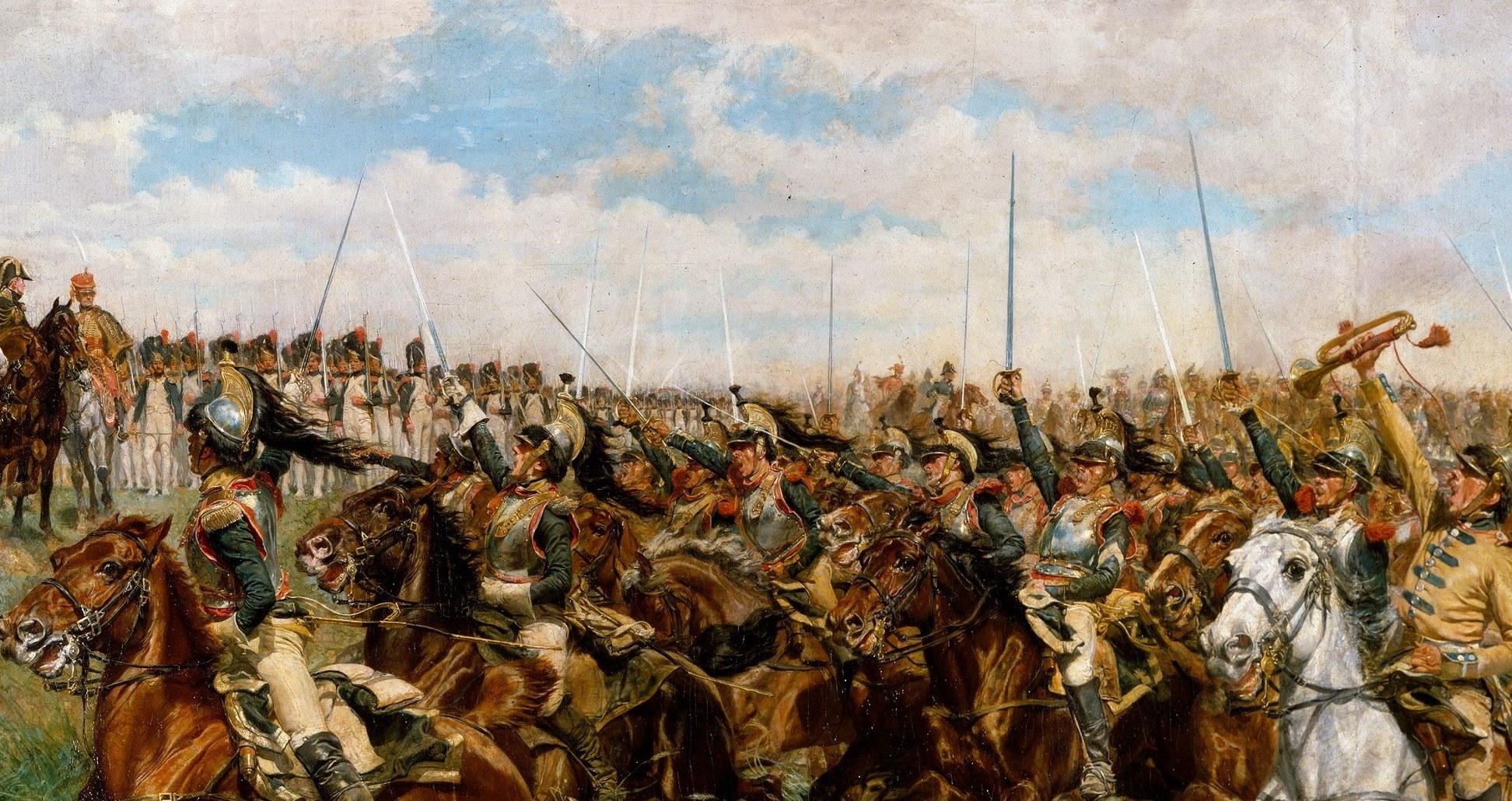
The painting depicts the Emperor leading a massive cavalry charge at the Battle of Friedland. Meissonier was obsessed with accuracy: he spent nearly fifteen years on this composition, producing hundreds of preparatory drawings and even sculpting wax horses to get the anatomy right. He famously built a platform on a railway car so he could ride alongside galloping horses and study their motion at speed.
But look past Napoleon and the gleaming breastplates to the painting's extreme left edge. There, in the distant haze, tiny columns of infantry march toward the battle. Meissonier admitted that a cavalry charge was only one thread in a vast, mechanized slaughter. These almost-hidden figures quietly reframe the heroism of the foreground. The collector Alexander T. Stewart bought it sight unseen for $60,000 in 1876, and it entered the Met in 1887.
Most people scroll right past those infantrymen. Once you see them, the painting means something different. What other details in grand military paintings do we overlook because we are looking at the hero on the horse?
#arthistory #napoleon #metmuseum
Details

Transcript
Napoleon leads a charge of ten thousand horsemen. Meissonier worked on this for nearly fifteen years. He built a special railway car to study horses at full gallop. His brush put every steel breastplate, every horse, every plume in its place. Now look at the far left edge of the canvas. Infantrymen, almost invisible, march into the distance. They tell you the truth about this charge: it was just one part of a slaughter.