Artwork
1807, Friedland
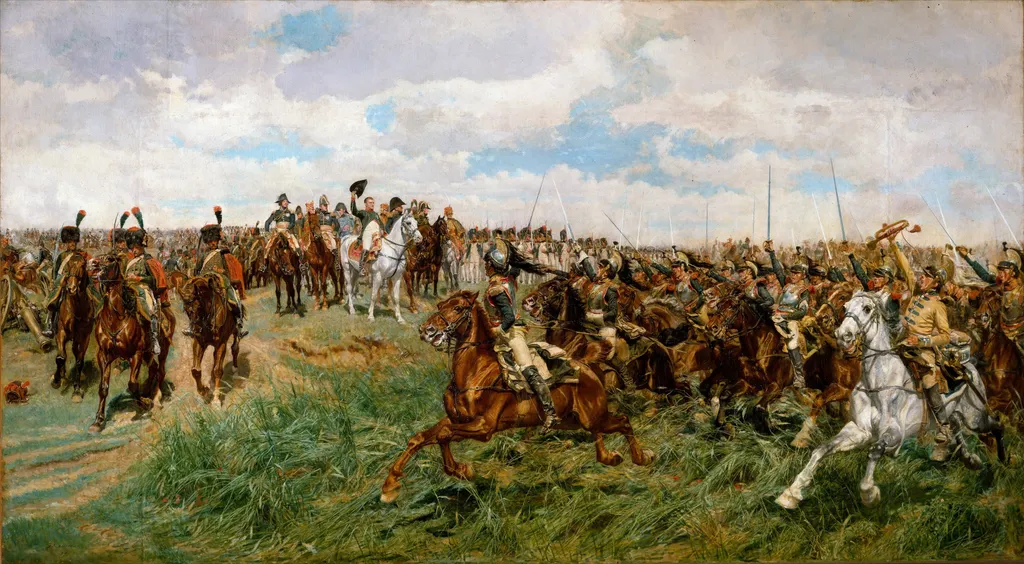
1807, Friedland is an oil painting by the Academic Art artist Ernest Meissonier. It dates from 1875 and is held in the collection of the Metropolitan Museum of Art.
About this work
In 1876 Alexander T. Stewart paid $60,000 sight unseen for this canvas of Napoleon amid charging cuirassiers at the Battle of Friedland. Ernest Meissonier worked on it for some fifteen years, making hundreds of studies and models to get the horses and uniforms right. It entered the Metropolitan Museum of Art in 1887 and remains his largest, most ambitious surviving composition.
Subject & Meaning
The iconography, the white horse, raised bicorn, and martial array, symbolizes Napoleonic authority, military glory, and the emperor’s personal leadership.
The painting depicts the Battle of Friedland (14 June 1807) during the War of the Fourth Coalition, celebrating one of Napoleon’s most decisive victories. Napoleon is shown mounted on a white horse, raising his bicorn hat in his right hand, a gesture of command and triumph. He is accompanied by named officers, Berthier, Bessières, Duroc, and Nansouty, as they review triumphant cuirassiers.
The scene is historically inaccurate, as Napoleon did not actually review his troops at Friedland, making the work an idealized, triumphalist representation rather than a documentary record. The iconography, the white horse, raised bicorn, and martial array, symbolizes Napoleonic authority, military glory, and the emperor’s personal leadership. Meissonier’s largest and most ambitious work functions as a nostalgic glorification of France’s imperial past.
Technique & Style
The painting is executed in oil on canvas, a large-format work measuring 135.9 by 242.6 cm. Meissonier labored over it for fourteen years, beginning with the sky and creating individual studies for each horse and soldier, including wax models, to achieve meticulous realism. This exhaustive preparatory process produced a highly finished, polished surface. The clean, precise handling and metallic sheen of the depiction prompted Édouard Manet to remark that “everything looks like it's made of steel... except the cuirasses.” The work exemplifies Meissonier's tight, academic style and his commitment to historical accuracy in composition and detail.
History & Provenance
Ernest Meissonier worked on 1807, Friedland from approximately 1861 to 1875, a creation span of fourteen years. He began with the sky and produced separate studies for each figure, using wax models. The painting is dated 1875.
It is currently held in the collection of the Metropolitan Museum of Art in New York. No commission or prior ownership chain is documented in the provided sources.
Context
Completed after fourteen years of labor, 1807, Friedland is Meissonier's largest and most ambitious work, one that both consolidated and challenged his reputation. The painting caused an immediate sensation and drew widespread praise, yet also attracted pointed criticism. Novelist Henry James and painter Édouard Manet were among the detractors; Manet wryly observed that "everything looks like it's made of steel... except the cuirasses."
Critic Henry Houssaye further contested the painting's historical accuracy, noting that Napoleon had not actually reviewed his troops at Friedland. Beyond these contemporaneous debates, the composition later drew accusations of plagiarism when Pedro Américo's Independence or Death (1888) displayed striking similarities. The work thus occupies a complex place in art history as both a technical tour de force of military painting and a subject of ongoing critical and scholarly scrutiny.
Legacy
The painting initially caused a sensation and was widely praised, but also drew criticism from figures such as Henry James and Édouard Manet, who remarked that 'everything looks like it's made of steel... except the cuirasses.' Its legacy includes a notable controversy: the Brazilian painting Independence or Death (1888) by Pedro Américo bears a strong resemblance to Meissonier's work, leading to allegations of plagiarism. This connection highlights the painting's enduring impact beyond its immediate context.
Overview
Ernest Meissonier's "1807, Friedland" is an oil on canvas painting created between approximately 1861 and 1875. This significant work by the French artist is held in the collection of the Metropolitan Museum of Art in New York, representing a major undertaking in his career and his most ambitious surviving composition.
Artist & collection
Artist
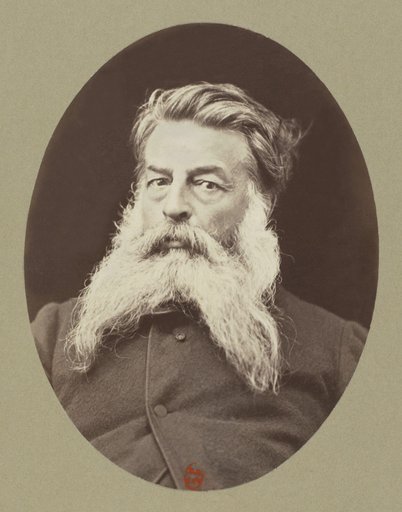
Jean-Louis-Ernest Meissonier was a French academic painter and sculptor. He became famous for his depictions of Napoleon and his military sieges and manoeuvres in paintings acclaimed both for the artist's mastery of…


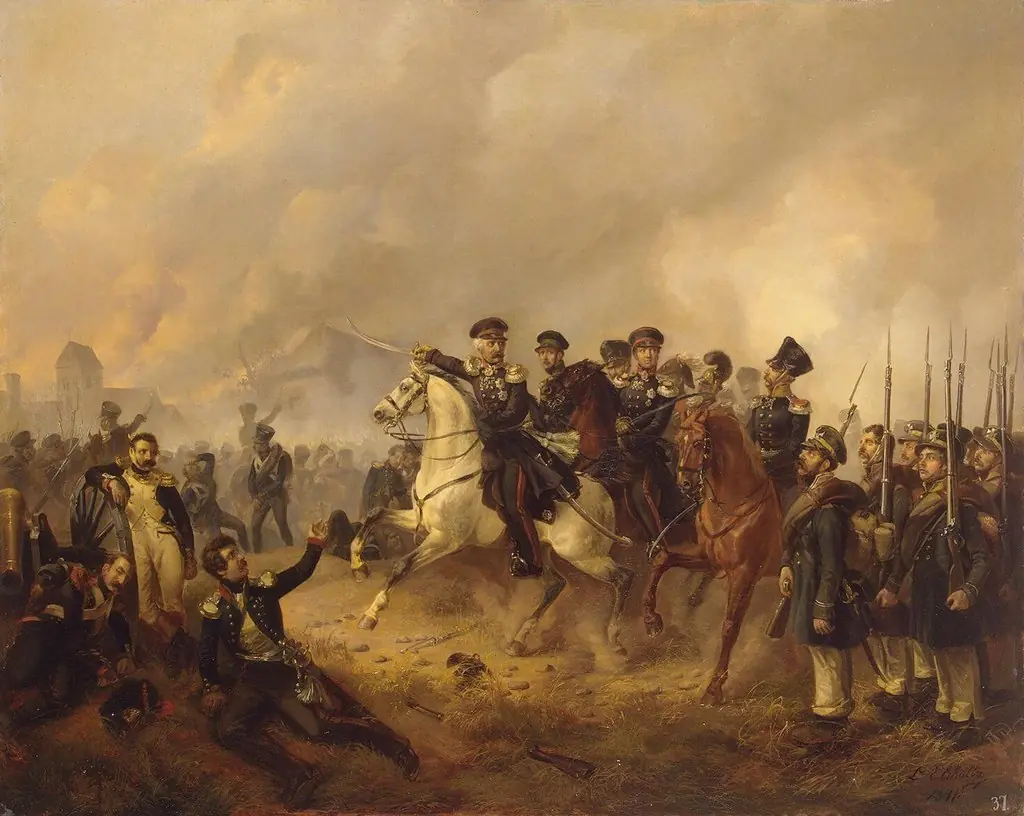 Marshal Blucher on the Battlefield
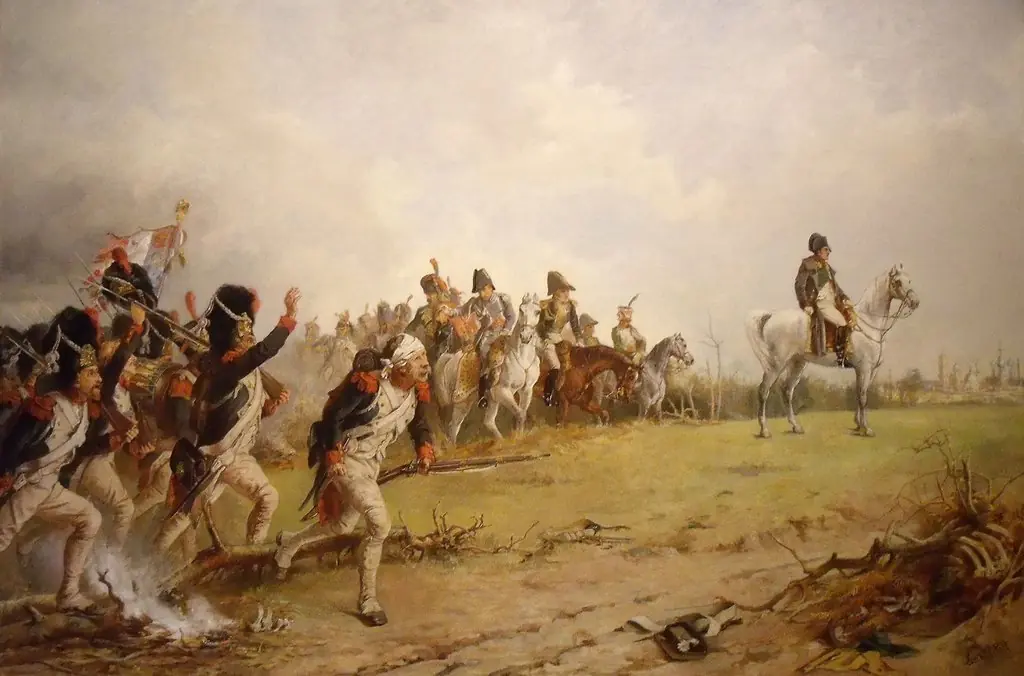 The First Sight of Moscow
 Die Schlacht bei Temesvár
 Review of the French Guards in the Presence of Charles X
 General Józef Chłopicki and Skrzynecki among soldiers
 Untitled
 The Battle of Waterloo
 Battle of Borodino on 26 August (7 September) 1812
 Die Schlacht bei Oeversee am 6. Februar 1864
 Surrender of Mantua, February 2, 1797