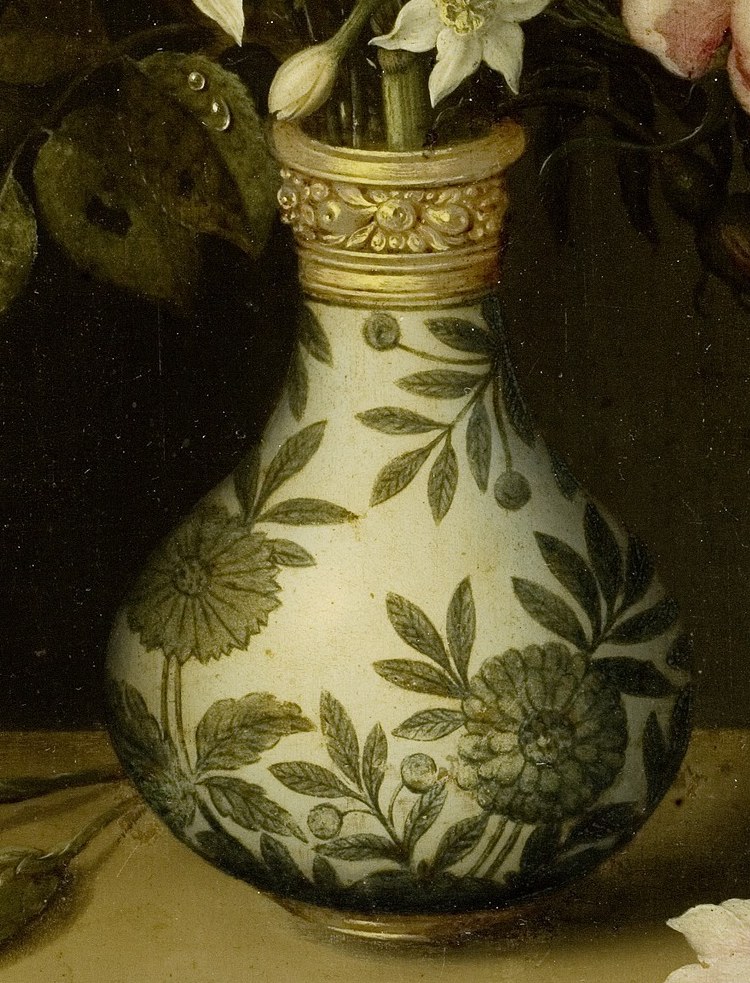
Still life with flowers in a Wan-li vase by Ambrosius Bosschaert
In the early 17th century, the Netherlands experienced "Tulip Mania," an extraordinary economic bubble where the price of tulip bulbs soared to astronomical levels. Ambrosius Bosschaert the Elder's *Still life with flowers in a Wan-li vase*, painted in 1619, captures this fascinating moment.
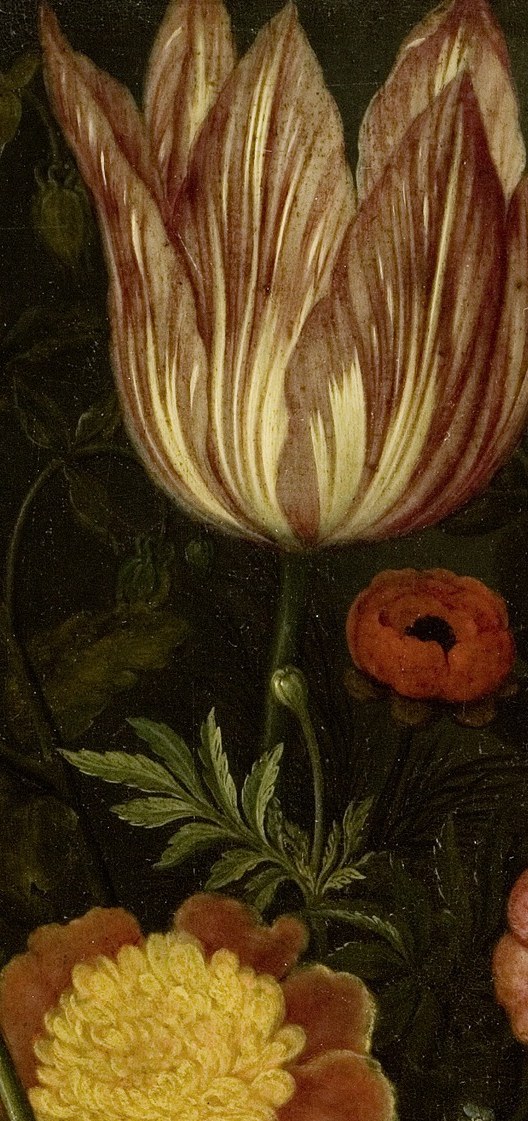
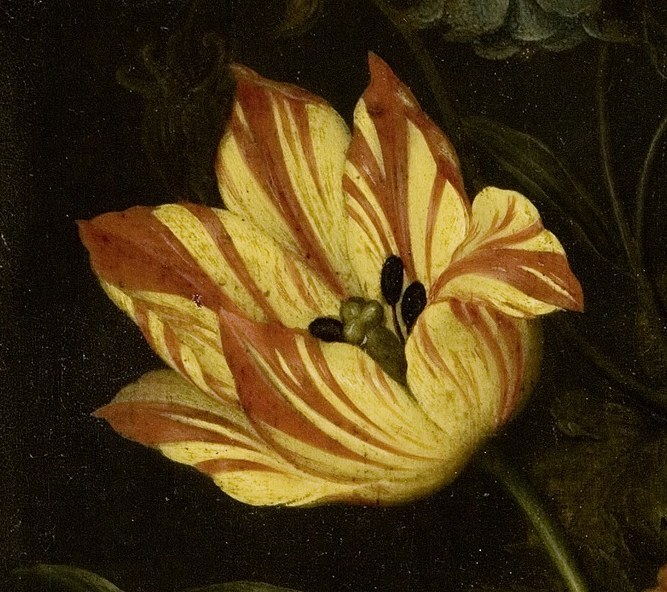
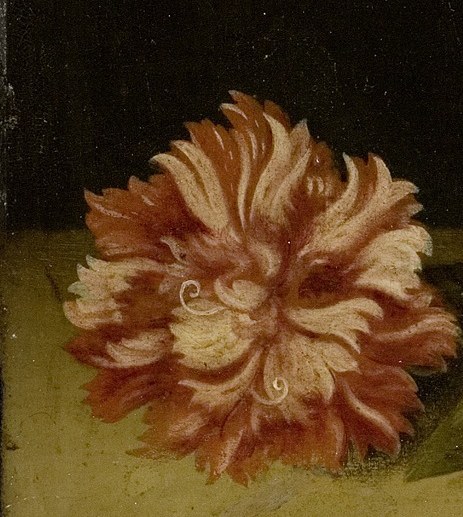
Look closely at the striped tulips, particularly the prominent red and white one. These "broken" tulips, with their unique flame-like patterns, were caused by a virus. This made each flower distinct and incredibly desirable, driving their prices sky-high.
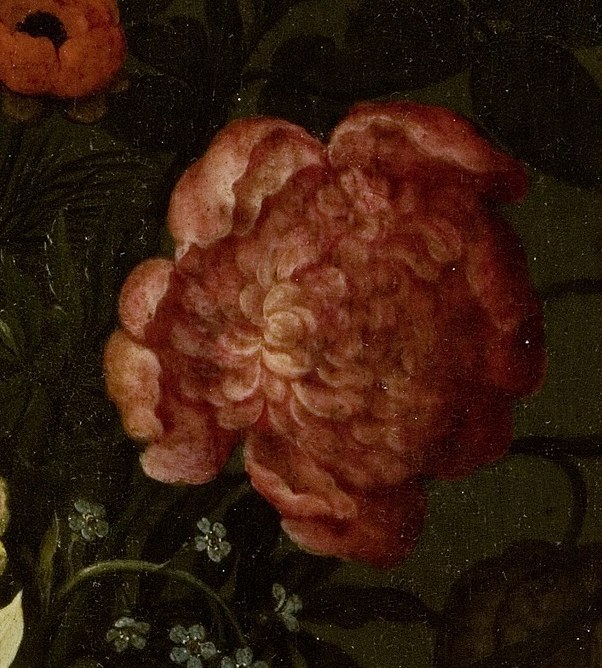
Bosschaert was a pioneer in establishing floral still lifes as an independent genre. Working on copper, he achieved remarkable precision and luminosity, preserving the fleeting beauty of these highly prized blossoms. His meticulous technique allowed him to depict flowers from different seasons, creating an impossible bouquet that would never exist naturally at one time.
This painting is a beautiful record of a time when flowers held immense cultural and economic power, reflecting the era's fascination with nature's abundance and the allure of exotic goods. What details do you notice first?
Details
Transcript
In 1619, a single tulip bulb could cost more than a house. This red and white tulip was a prized variety, known as a 'broken' tulip. Its stripes were caused by a virus, making each bloom unique and highly coveted. The Dutch went wild for them, fueling the world's first economic bubble. This painter was among the first to specialize in floral still lifes. His precise brushwork captured the flowers at their peak, forever. A perfect bloom, even if its real-life price was about to crash.