Valley of the Yosemite by Albert Bierstadt
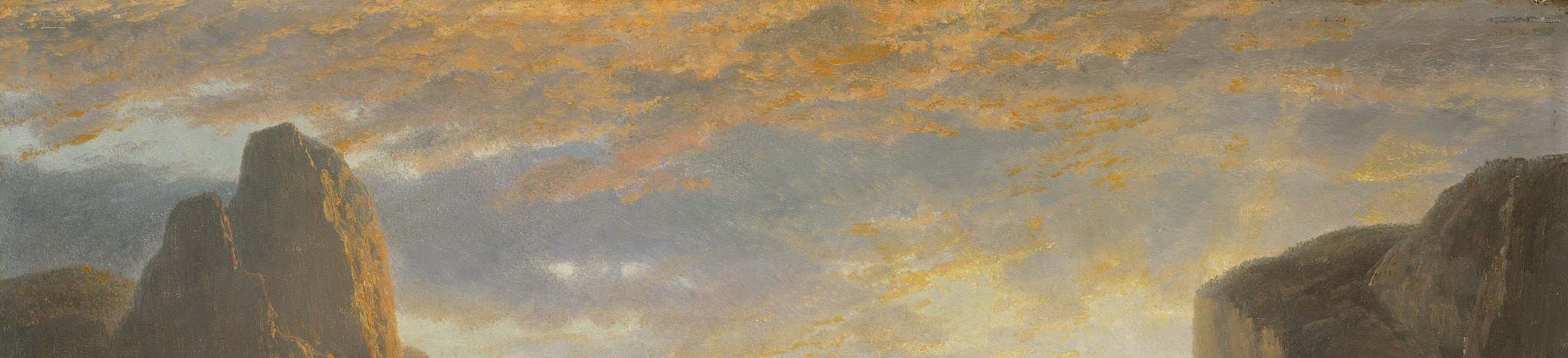
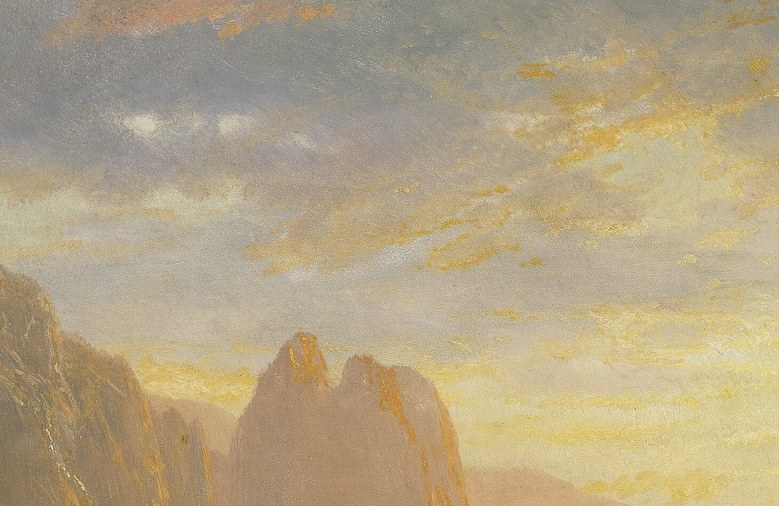
Albert Bierstadt’s 1864 painting, *Valley of the Yosemite*, at the Museum of Fine Arts, Boston, is a stunning panorama that captured the imagination of 19th-century America. It helped define how people viewed the newly expanding western territories.
Bierstadt, a German-American painter, was celebrated for his sweeping landscapes of the American West. His meticulous brushwork and luminous washes bring the dramatic scale of Yosemite to life, making the towering cliffs and sunlit skies feel almost sacred.
This work, completed after his acclaimed Rocky Mountain series, reinforced Bierstadt's status as a premier painter of western scenery. It reflects the romanticism of the Hudson River School, blending detailed naturalism with a heightened sense of awe, suggesting both divine presence and the nation's sense of manifest destiny.
What feelings does this grand vision of nature evoke in you?
Details

Transcript
This painter brought the American West to a fascinated public. His epic canvases made the vast landscapes seem like sacred spaces. Look at the light, like a divine presence in the valley. The raw, untamed beauty spoke to a sense of national destiny. Bierstadt's works shaped how Americans saw their expanding nation. He became the foremost painter of the western frontier.