Return to Nazareth by Francesco Conti (Italian, 1681–1760)
Francesco Conti's "Return to Nazareth," painted in 1735, is held in the collection of The Cleveland Museum of Art. This oil painting presents a quiet, nocturnal scene filled with reverence and emotion, likely intended for private devotional contemplation rather than grand public display.
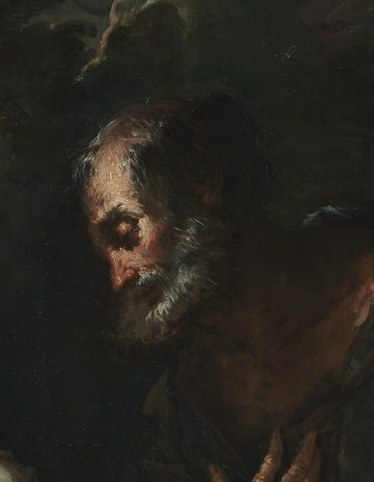
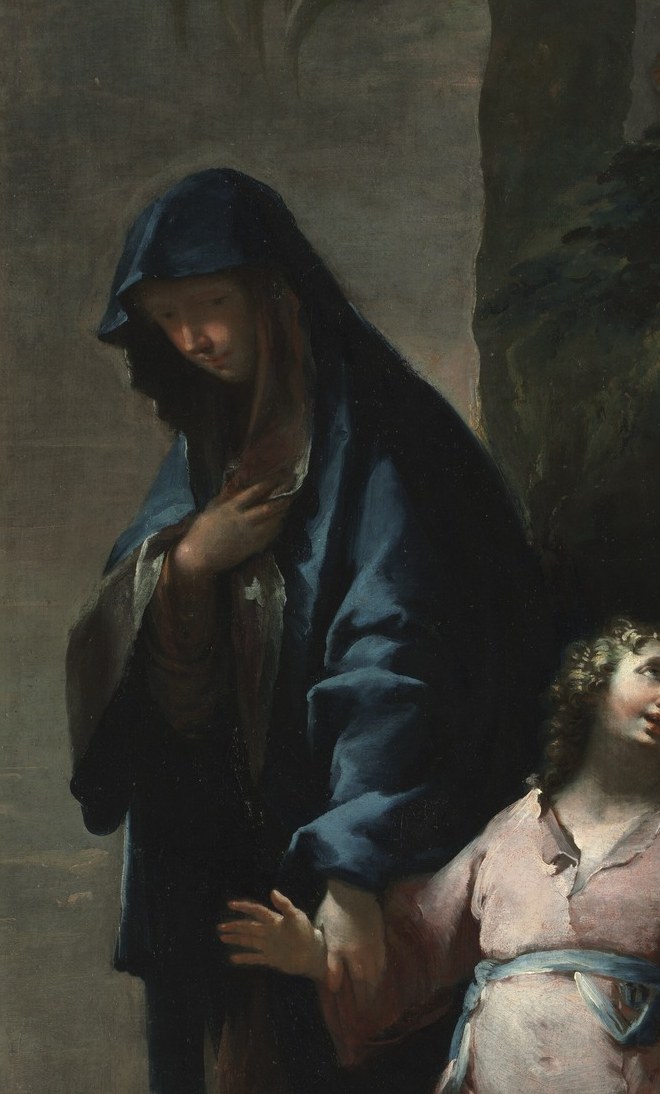
Observe the dramatic chiaroscuro, a technique of strong light and shadow, which gives the figures a three-dimensional quality and focuses attention on their tender interaction. Mary's downcast gaze and clasped hands convey deep devotion, while the young Jesus reaches towards Joseph, who leans on his staff, suggesting guidance.
Conti, an Italian painter from the late Baroque period, was known for incorporating religious and intimate domestic scenes into his work. Though not one of the most celebrated masters of his time, the acquisition of this painting by the Cleveland Museum of Art in the early 20th century reflects a deliberate effort to showcase the breadth of Italian Baroque painting, beyond just the most famous names.
It’s a powerful example of how art, regardless of the artist's fame, can convey profound spiritual narratives and find its place in esteemed collections.
Details
Transcript
This painting, 'Return to Nazareth,' was made in 1735. It shows a quiet, devotional scene, likely for private contemplation. The artist, Francesco Conti, was not a widely celebrated master. Yet, The Cleveland Museum of Art acquired it in the early 20th century. Its presence highlights the museum's effort to represent broader Baroque art. Conti used dramatic light and shadow to create its emotional depth.