The Tailor’s Workshop by Quirijn van Brekelenkam
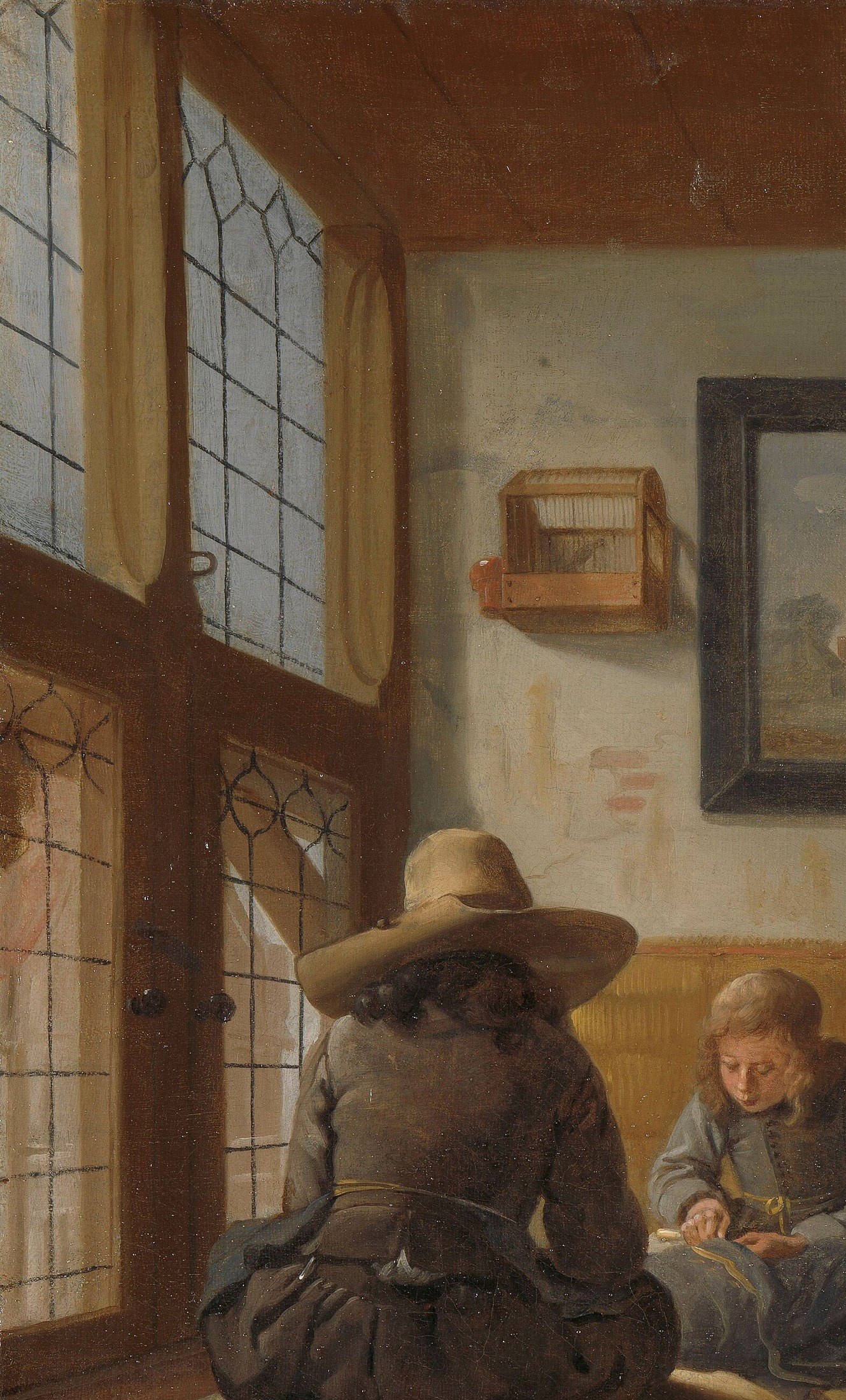
Quirijn van Brekelenkam's The Tailor's Workshop (1661) is a meticulous Dutch Golden Age genre painting now in the Rijksmuseum. It captures a quiet moment of skilled labor, showing a tailor at work and the domestic environment of his craft.
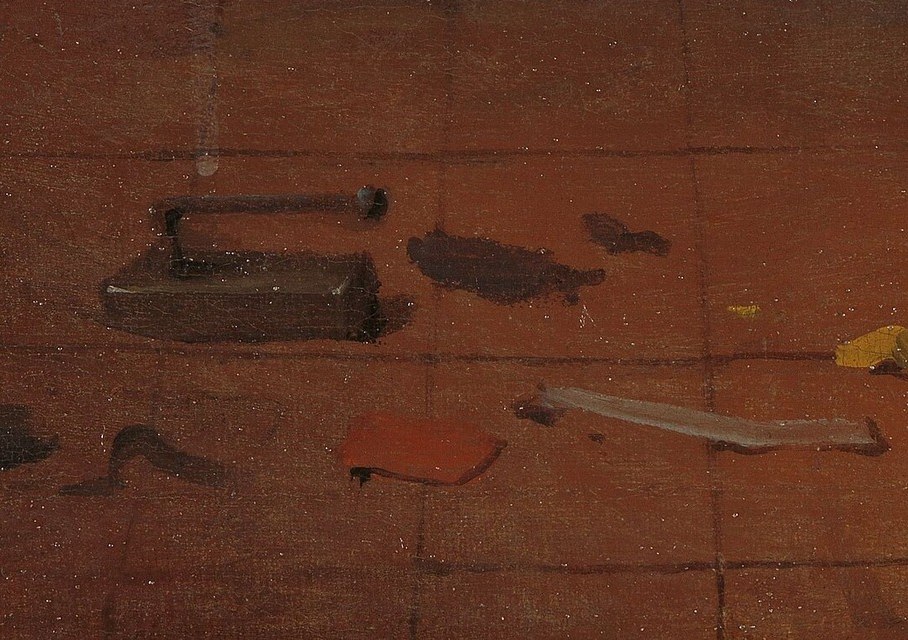
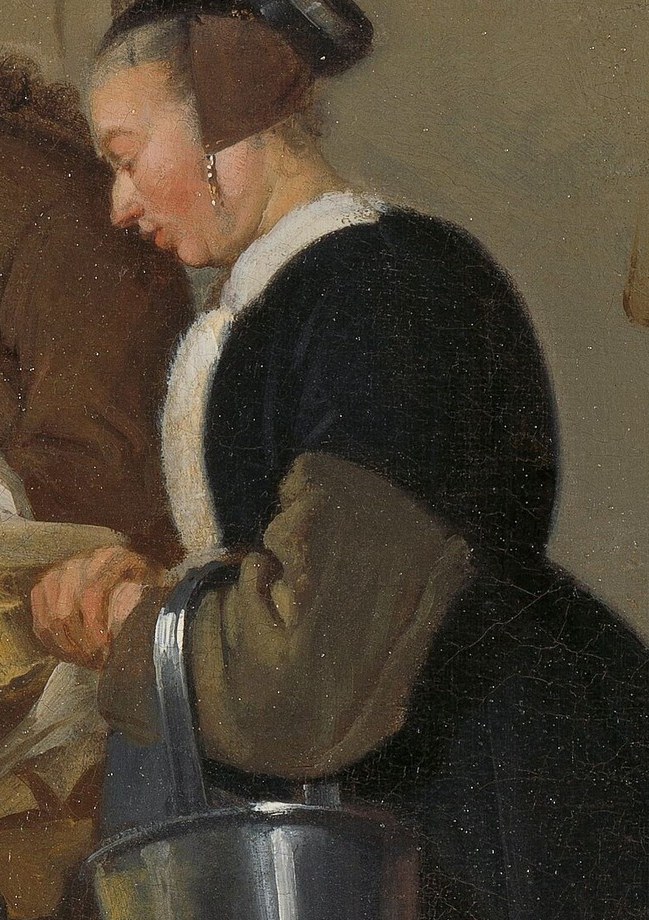
Look at the tailor's hands, precisely stitching fabric. Notice the light from the window, illuminating the scene and highlighting the textures of the tools and the garments. A child sewing nearby offers a glimpse into the passing down of skills.
Brekelenkam was a student of Gerard Dou, a master of the Leiden fijnschilders movement, known for its detailed, miniature-like quality. This painting exemplifies that style, with every element rendered with intense focus. It reflects the era's fascination with everyday life and domestic labor.
This scene invites us into a moment of intense concentration and quiet skill. What does the presence of the child suggest about the importance of craft in 17th-century Dutch society?
Details
Transcript
This tailor's hands are his tools. He works fine fabric with great skill. The light falls on his focused work. This painting shows a tailor's workshop in 1661. A child learns the trade beside him. The painter studied under Gerard Dou. He rendered every small detail carefully.