Portrait of a Man by Rembrandt
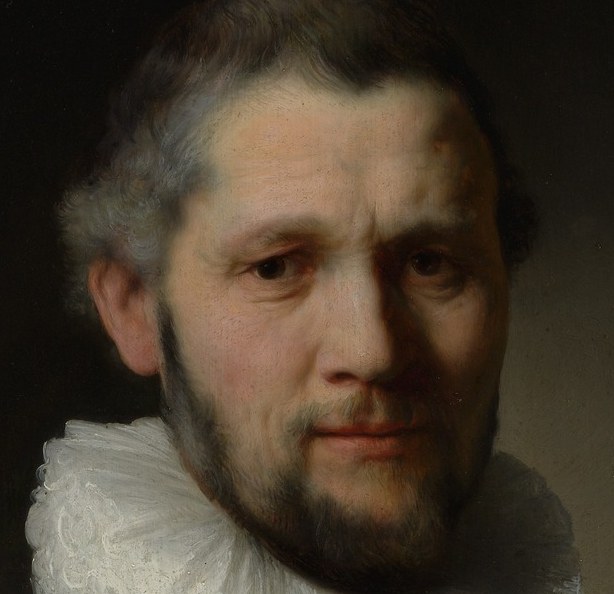
Rembrandt's "Portrait of a Man," painted in 1632, is a masterclass in light, shadow, and human depth, now housed at The Metropolitan Museum of Art. What many people scroll past is a subtle detail: a faint inscription on the left side of the canvas.
This small, almost hidden mark is not just a signature, but a clue. It helps us date this exquisite oil-on-canvas work to 1632, early in Rembrandt's prolific career during the Dutch Golden Age.
Rembrandt, a prominent artist of his time, was celebrated for his ability to bring his subjects to life. He used chiaroscuro, a dramatic contrast of light and shadow, to sculpt features and give his figures a three-dimensional quality and profound psychological insight.
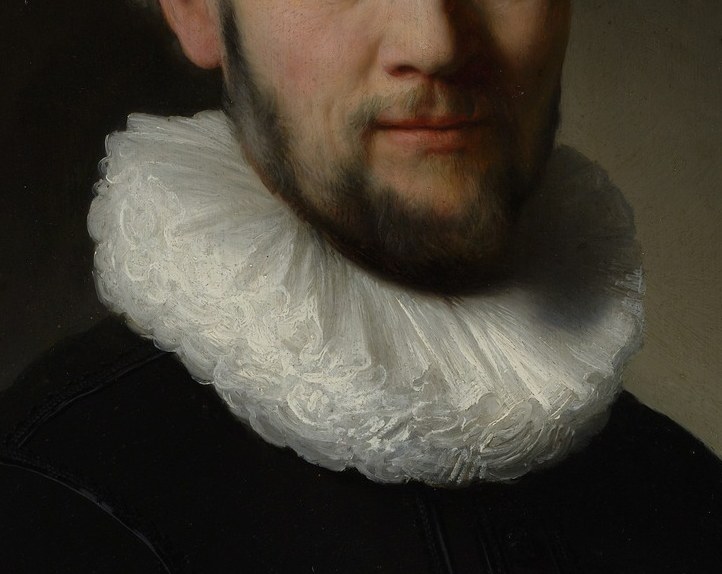
This painting showcases his early focus on individual likenesses and his ongoing exploration of visual texture. It reminds us that even the most famous works hold secrets, waiting to be discovered by a closer look. What details do you often find yourself noticing in old portraits?
Details
Transcript
This man seems to emerge from the darkness. The painter was known for capturing rich detail. He was a master of light and shadow. Now, look closely at the left edge of the canvas. A faint inscription, almost hidden. It hints at the year this portrait was made: 1632.