The Adoration of the Magi by Giovanni di Paolo
Giovanni di Paolo's "The Adoration of the Magi," painted in 1440, showcases the unique Sienese style that flourished even as Renaissance naturalism emerged elsewhere. This piece, held at The Cleveland Museum of Art, is a prime example of his work.
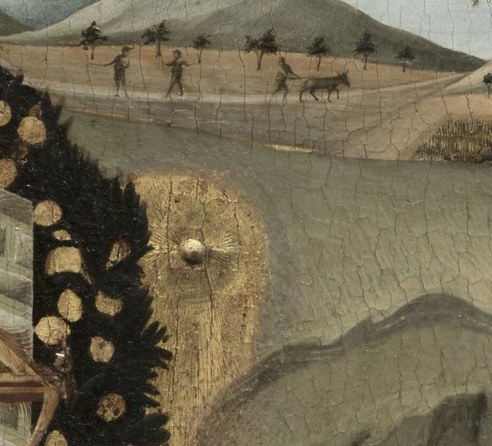
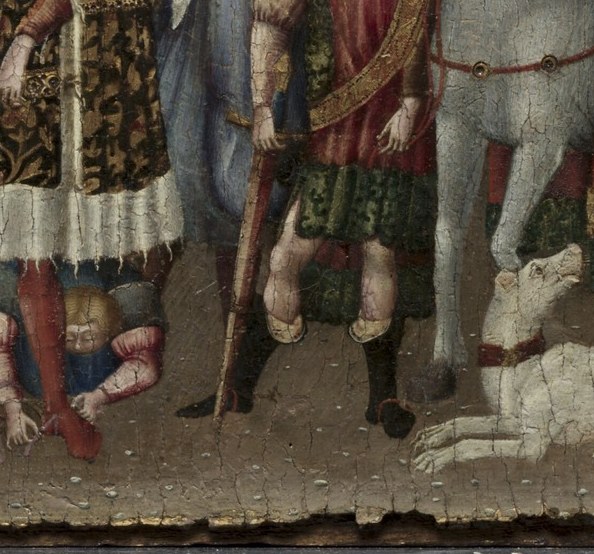
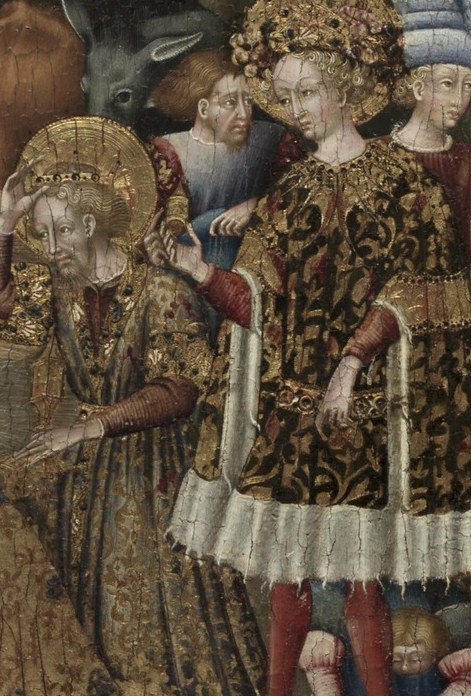
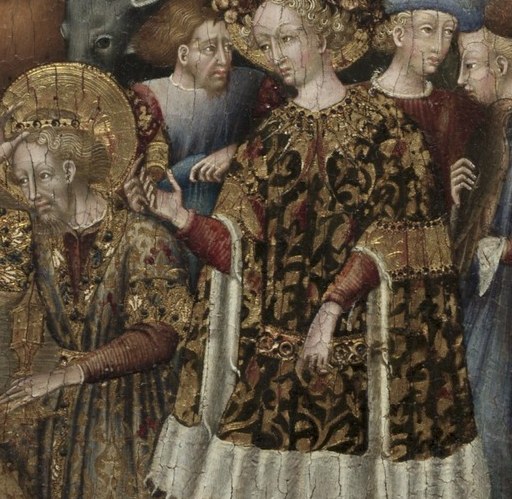
Observe the extensive use of gold leaf, particularly on the halos and decorative elements, which gives the painting a luminous, jewel-like quality. The figures, while central to the biblical narrative, are rendered with a distinct flatness and lack of deep spatial recession, characteristic of the period's focus on spiritual symbolism over earthly realism. Notice the ornate patterns on the Magi's garments, adding to the painting's decorative sensibility.
Giovanni di Paolo was a prolific painter and manuscript illustrator in Siena. While his style was influenced by earlier Sienese masters, he developed an individual approach with cold, harsh colors and elongated forms, creating an often dreamlike atmosphere. His reputation, which declined after his death, experienced a significant revival in the 20th century.
What details in the painting capture your eye the most?
Details
Transcript
This painter, Giovanni di Paolo, worked in Siena around 1440. He was known for his flat forms and luminous gold leaf details. His style was distinctly Sienese, focusing on decoration, not realism. Look closely at the richly patterned clothes of the standing Magus. The artist merges traditional stories with a dreamlike atmosphere. His distinctive approach revived his reputation centuries later.