Farmhouse in ruins by Emanuel Murant
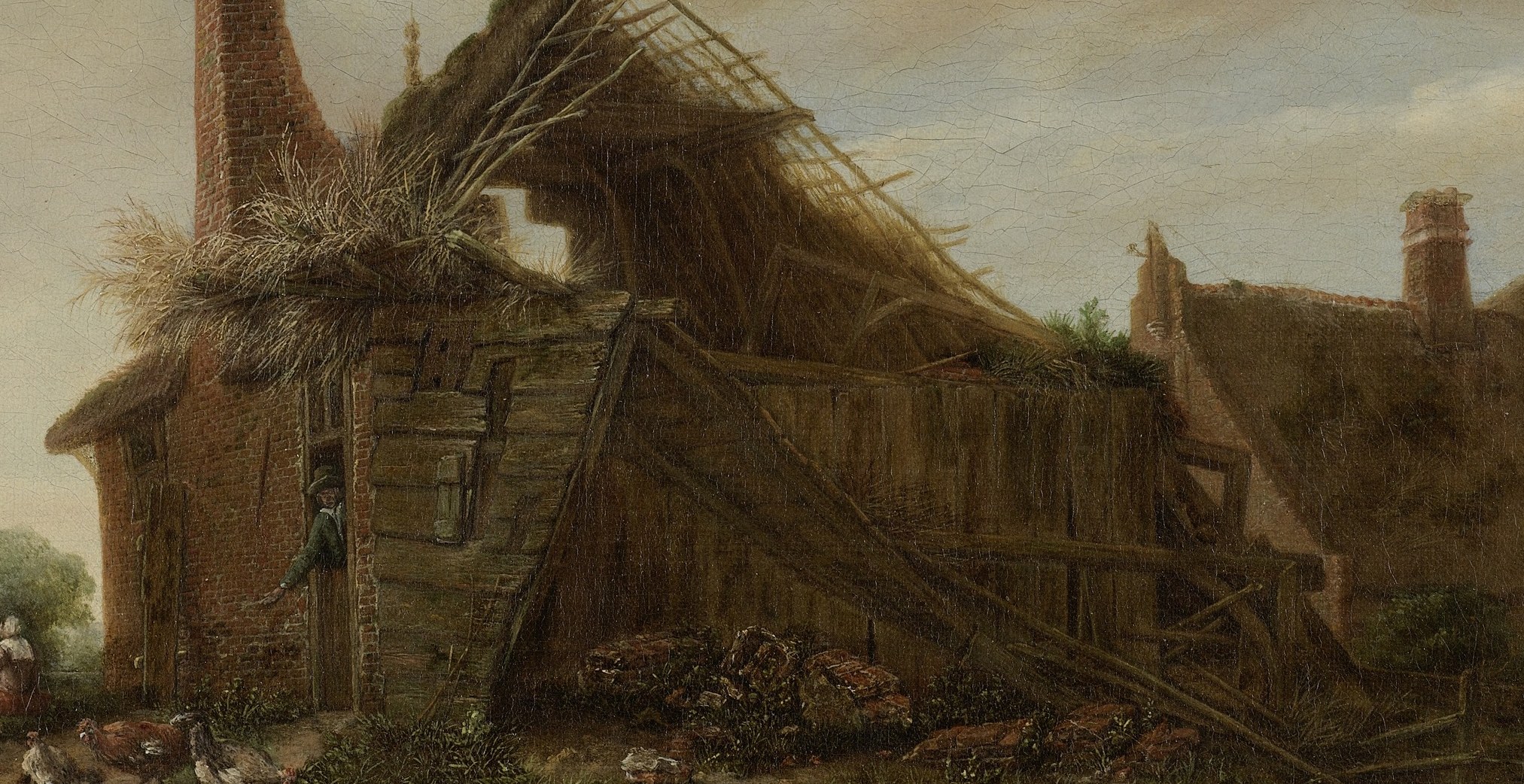
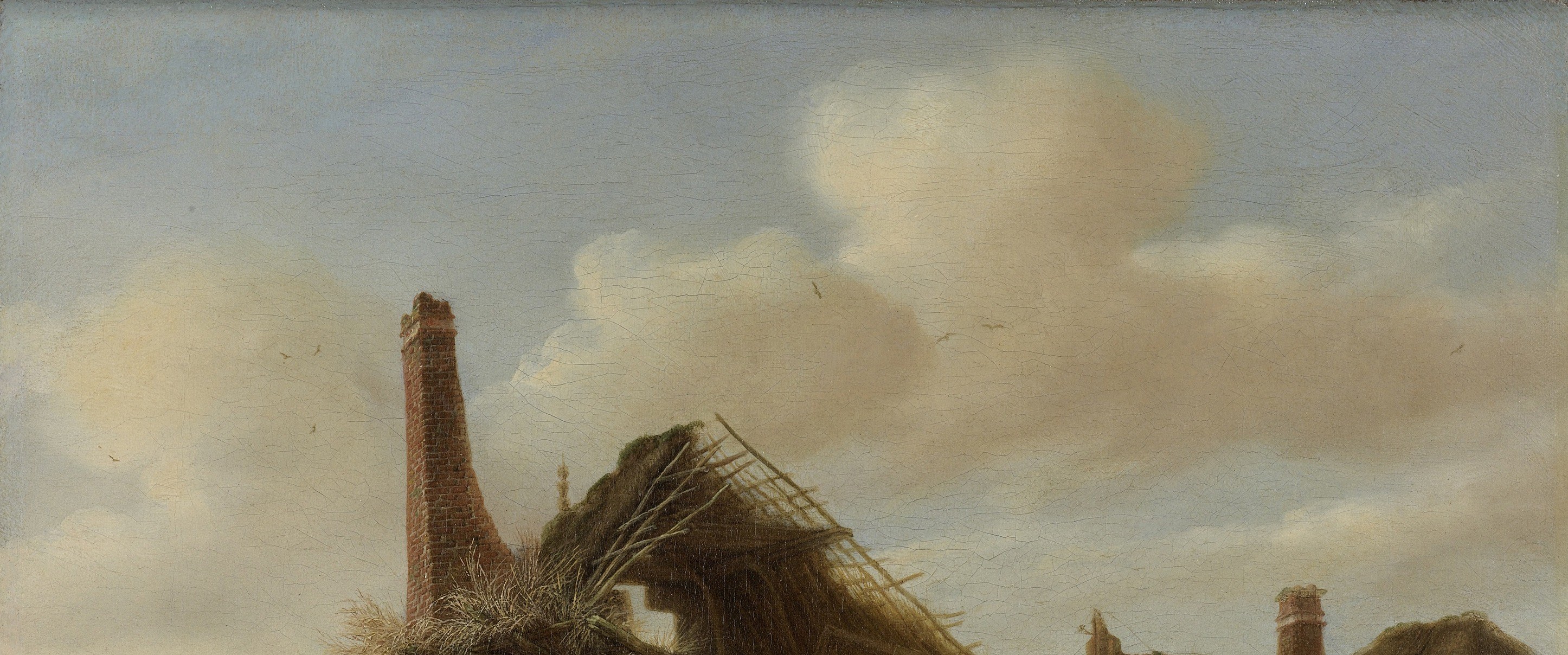
Emanuel Murant's "Farmhouse in ruins" (c. 1670) is a masterclass in depicting texture and light. The artist uses oil paint to render aged materials with astonishing realism. This work, housed at the Rijksmuseum, invites viewers to examine the very fabric of the scene.
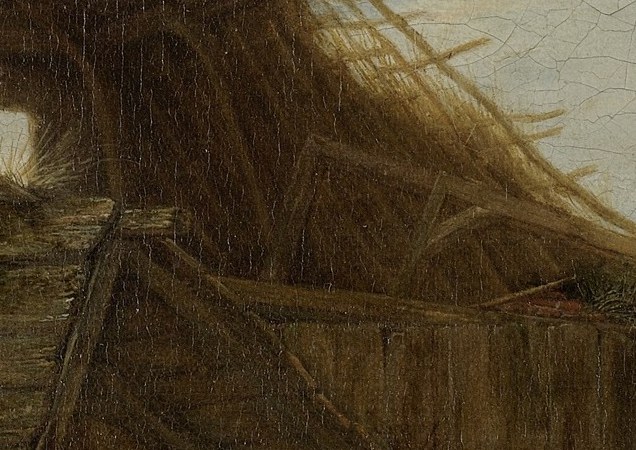
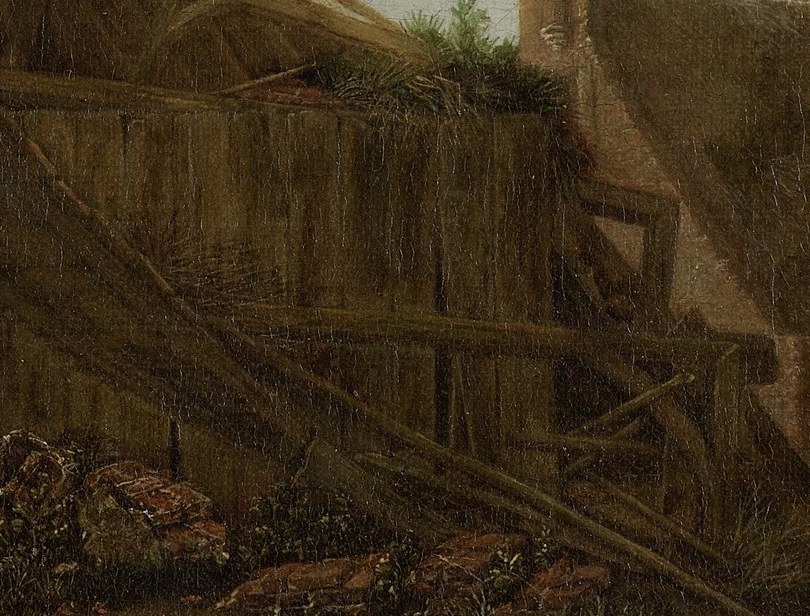
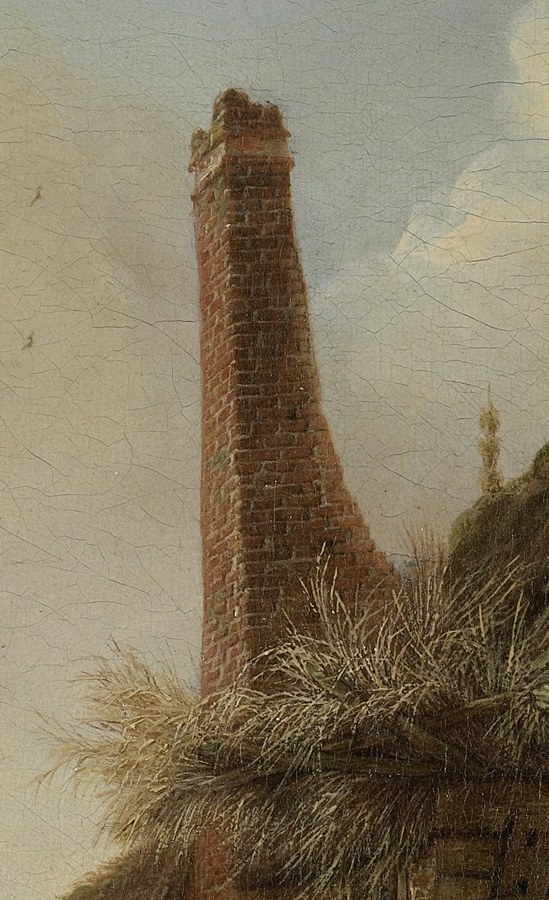
Focus on the thatched roof; Murant captures the brittle texture of straw, making it appear almost touchable. Observe the wooden planks, where every grain and imperfection tells a story of decay and time. The sky is rendered with a subtle luminosity, suggesting a palpable atmosphere.
Murant was known for his meticulous technique, often focusing on the details of rural life and decaying structures. His ability to translate the tangible qualities of his subjects into paint was his signature skill. This painting exemplifies that dedication to surface and light.
Consider how Murant convinces us of the reality of these textures. What is your favorite trompe-l'oeil effect in art?
Details
Transcript
Look at this impossibly old thatch. Each piece of straw looks real. See how the light hits the wood grain. The paint shows age and weathering. The sky looks soft, yet defined. Murant painted light itself, not clouds. He made ruin look so tangible.