Still life with flowers by Abraham van Beijeren
Abraham van Beijeren's 'Still life with flowers', painted around 1650, is more than just a beautiful arrangement; it's a fascinating snapshot of Dutch Golden Age society and its values.
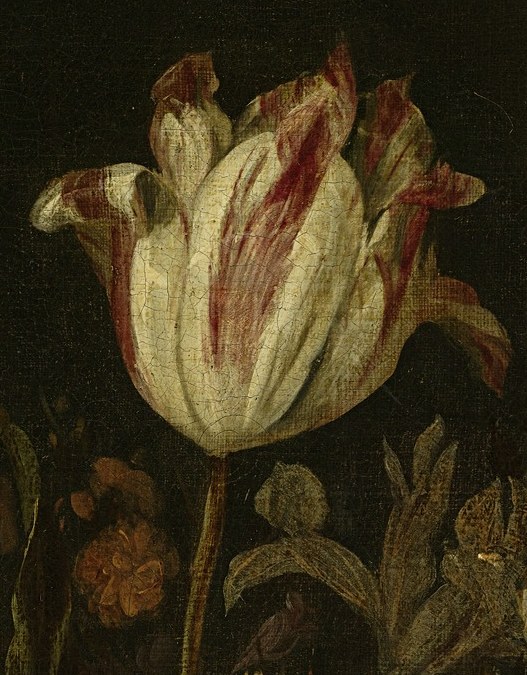
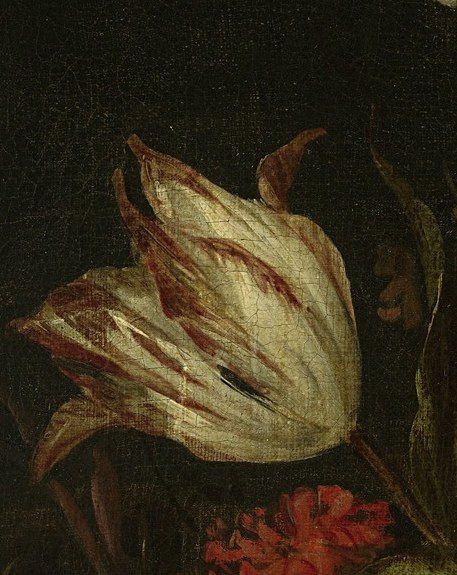
Look closely at the vibrant tulips, especially the striking red and white one at the top. During this period, tulips were incredibly valuable, even traded for property during the infamous 'tulip mania.' The painter meticulously rendered each bloom, from the lush roses to the delicate smaller flowers, showcasing horticultural advancements and artistic skill.
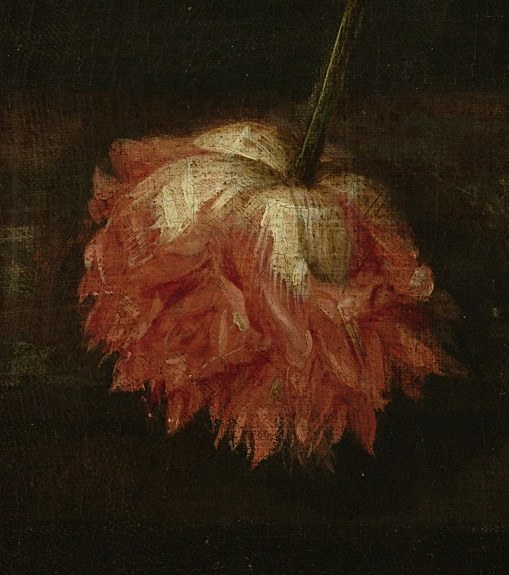
But notice the wilting pink peony at the bottom and the scattered red berries. These elements were common in Dutch still lifes, serving as 'vanitas' symbols, gentle reminders of the fleeting nature of beauty, wealth, and life itself. Van Beijeren, originally a marine painter, transitioned to still lifes, mirroring a broader market demand.
This painting, now at the Rijksmuseum, allows us to step into a 17th-century home and ponder the delicate balance between opulence and transience. What other hidden meanings do you see in the composition?
Details
Transcript
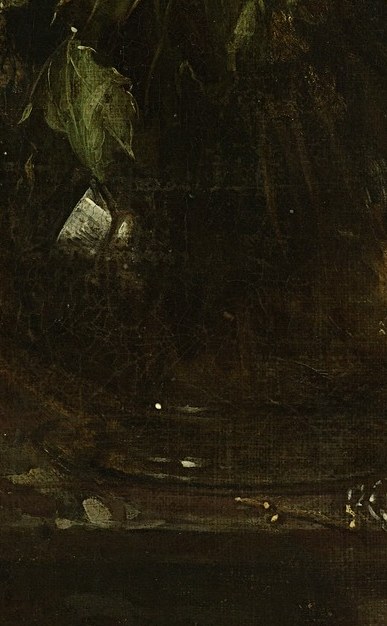
This isn't just a bouquet, it's a statement of wealth. Tulips, like this red and white one, were once worth fortunes. Dutch tulip mania saw single bulbs trade for houses. The wilting peony at the bottom hints at life's fleeting nature. Scattered berries add to the sense of transient abundance. The artist was known for marine paintings, then moved to still lifes. His detailed realism captures every petal and reflection.