The Whale-oil Refinery near the Village of Smerenburg by Cornelis de Man
Cornelis de Man's "The Whale-oil Refinery near the Village of Smerenburg," painted in 1639, offers a rare glimpse into the brutal efficiency of 17th-century Dutch Arctic whaling, now housed at the Rijksmuseum.
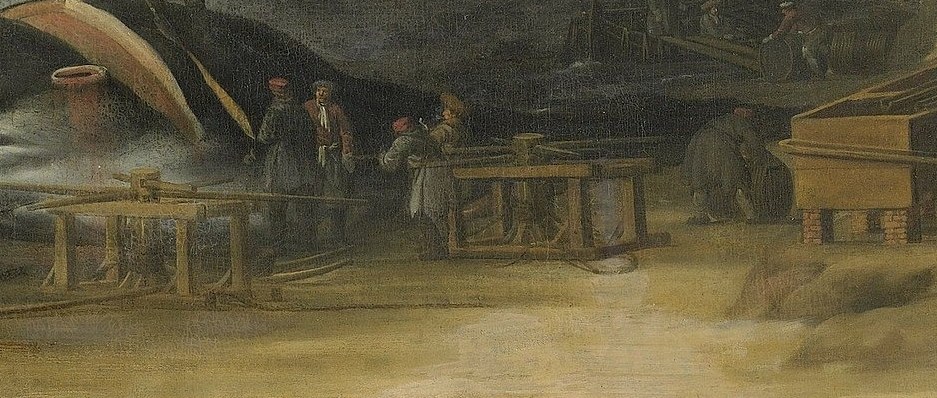
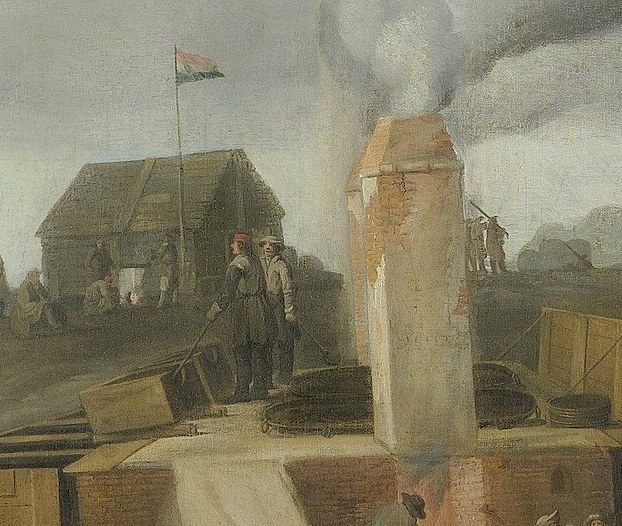
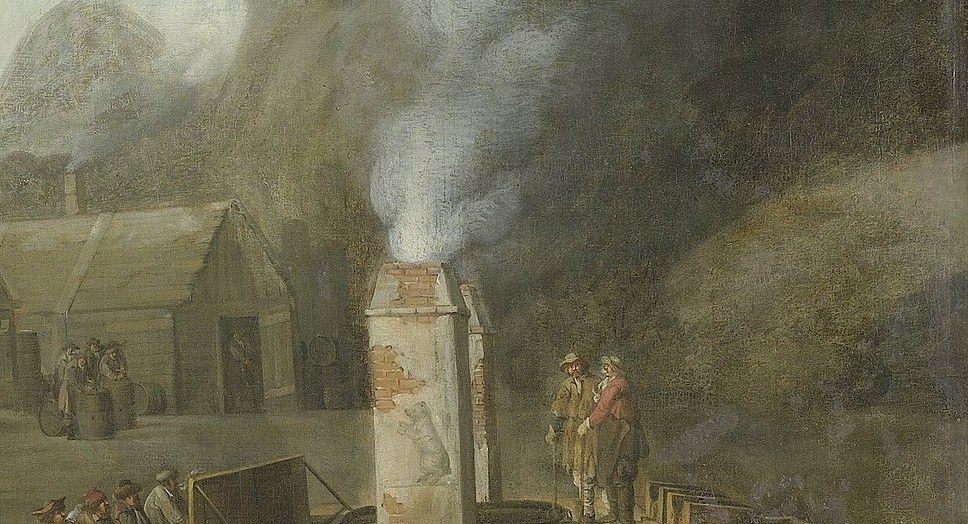
Look closely at the scene: a massive whale carcass dominates the foreground, with workers diligently processing its blubber. In the background, the refinery's smokestack billows, a testament to the industrial scale of this enterprise, transforming marine life into valuable oil.
This painting is a historical document, illustrating the economic drive behind European expansion into remote regions like Svalbard. The Dutch played a significant role in this lucrative, albeit environmentally destructive, industry. Whale oil was essential for lighting and lubrication across the continent.
It's a stark reminder of humanity's impact on the natural world, even centuries ago. What do you notice most about this scene?
Details

Transcript
This painting, from 1639, depicts an Arctic whaling station. The Dutch were major players in 17th-century whaling. Here, workers process a massive whale carcass on shore. Blubber was boiled down in industrial refineries like this one. The smoke shows the relentless work to render oil. Whale oil fueled lamps and industry across Europe.