Adoration of the Shepherds by Carlo Dolci
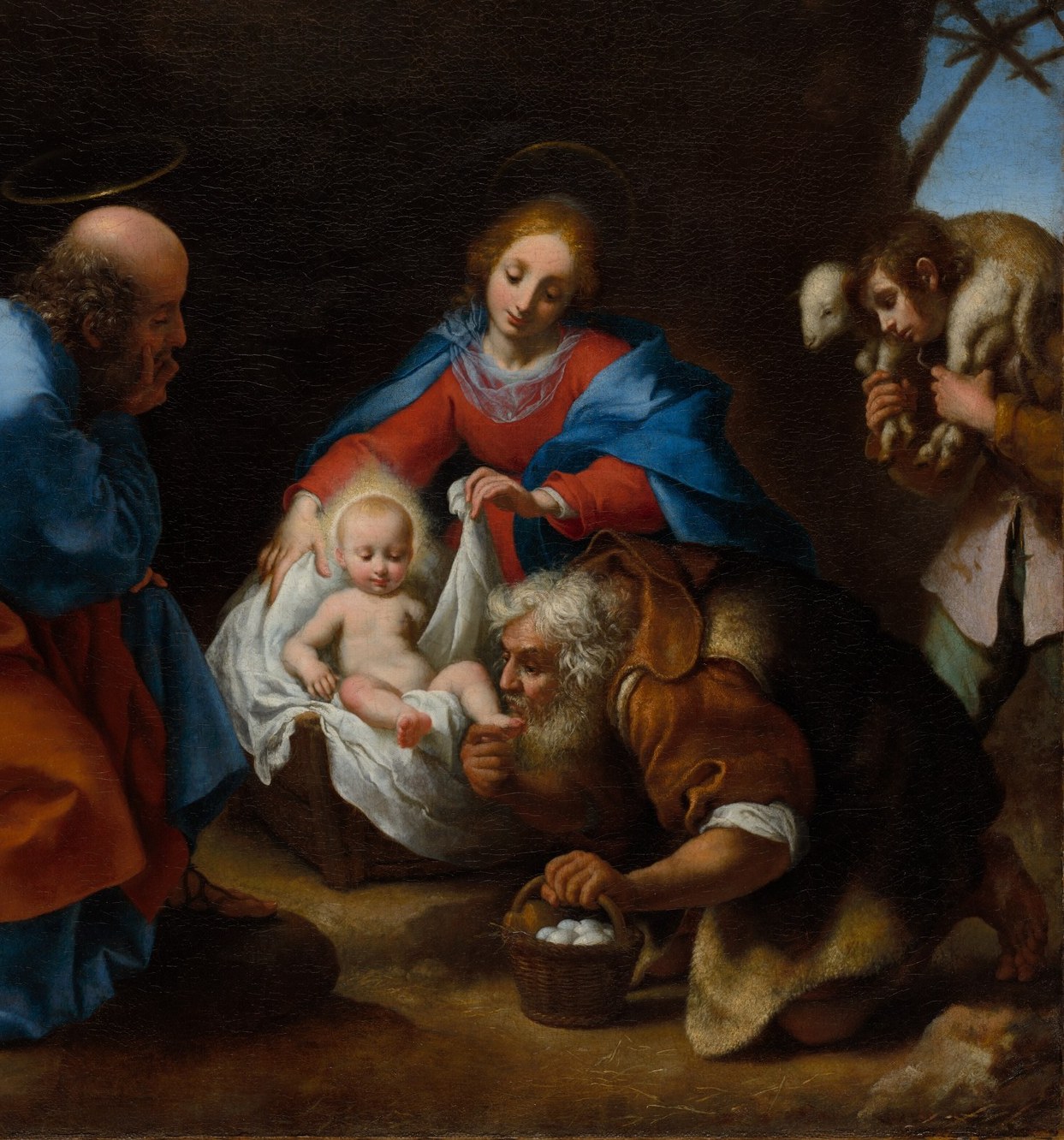
Carlo Dolci's "Adoration of the Shepherds," painted in 1670, is a masterful example of High Baroque Italian art, known for its meticulously rendered religious compositions. This oil painting, housed at The Cleveland Museum of Art, captures a tender moment of reverence for the newborn Christ.
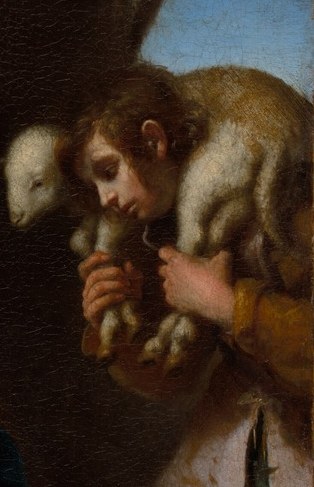
Look closely at the figures gathered around the infant. While Mary's gentle gaze and the divine light are central, the humble offerings of the shepherds add a human touch. One shepherd presents a lamb, a powerful symbol of Christ, while another kneels with a simple basket of eggs.
Dolci, a Florentine painter of the 17th century, was renowned for his highly finished religious works, often repeating popular subjects. His technique emphasized warm hues and dramatic contrasts, creating an intimate atmosphere that draws the viewer into the devotional scene.
This painting invites contemplation on the profound significance of humble offerings and quiet faith. What details do you find most striking?
Details
Transcript
This painting from 1670 shows the Adoration of the Shepherds. Mary gazes at the infant, surrounded by heavenly light. Joseph stands in quiet contemplation in his orange cloak. Two shepherds offer their humble gifts. One brings a lamb, a symbol of Christ. The other, kneeling, offers a simple basket of eggs. Carlo Dolci often painted these quiet, reflective scenes.