Adoration in the Forest by Filippo Lippi
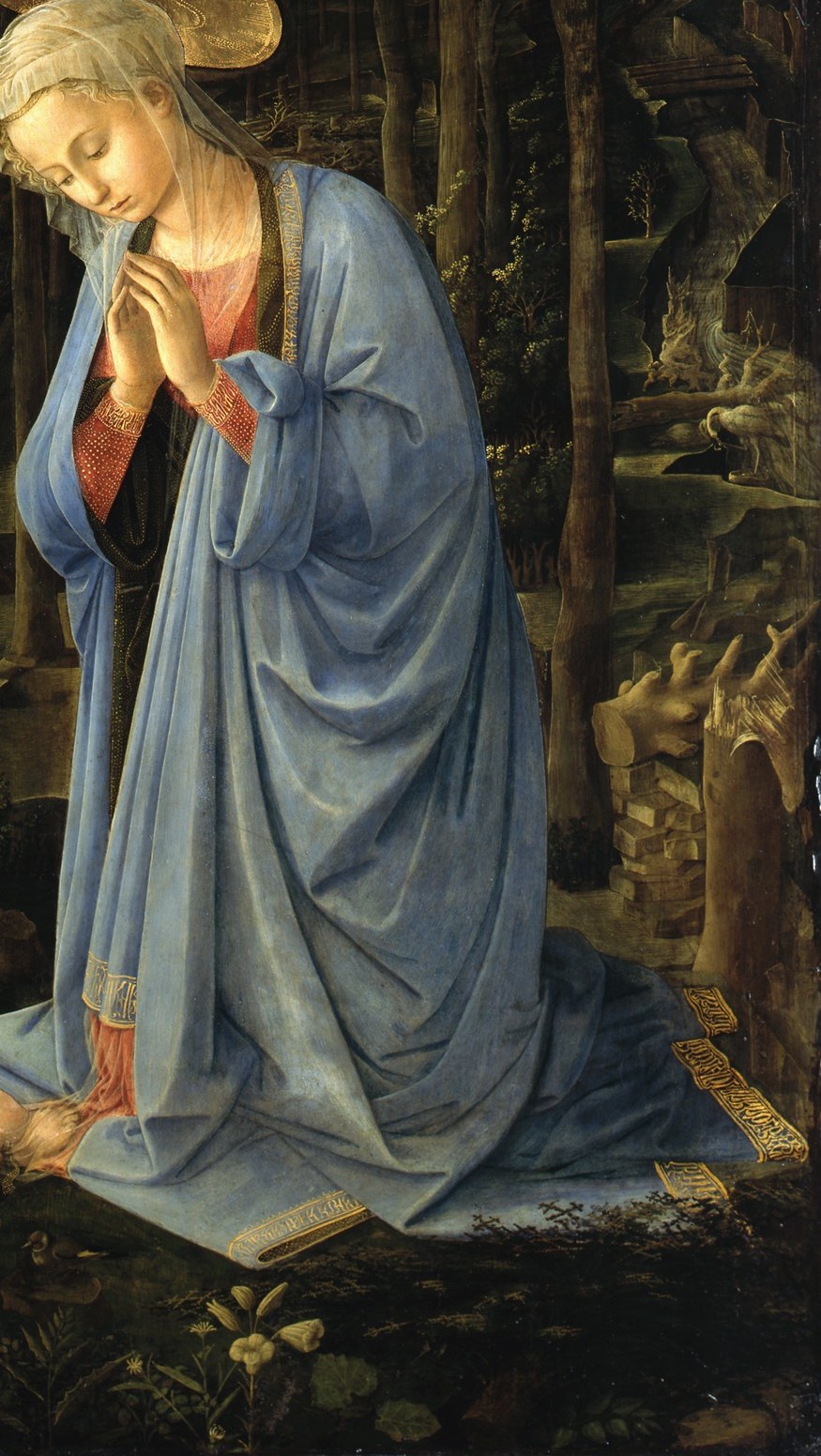
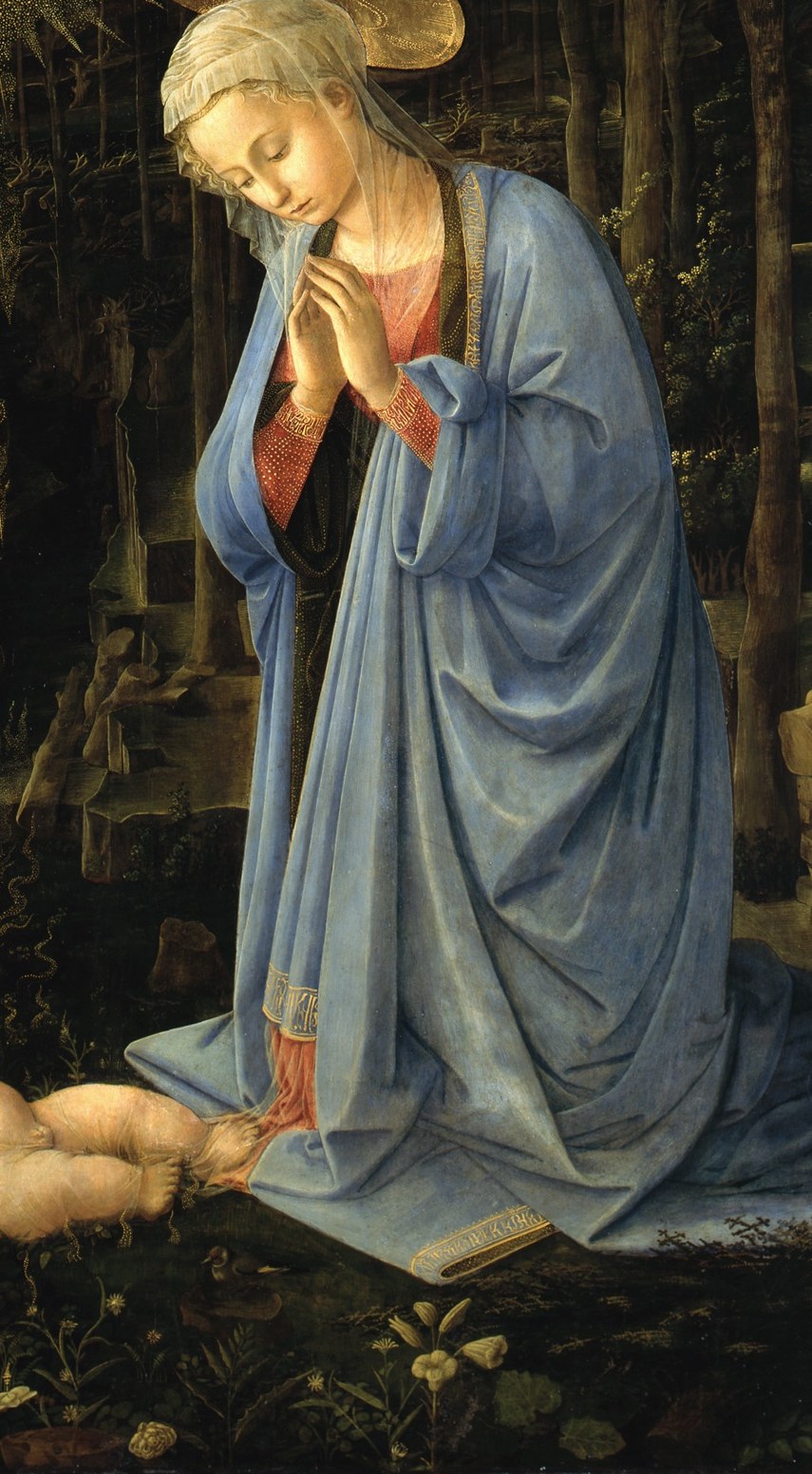
Filippo Lippi’s *Adoration in the Forest*, painted around 1459, radically reinterprets the familiar Nativity story. Instead of a stable, Mary, the infant Jesus, and John the Baptist are placed in a dense, almost untamed forest, a setting that challenged traditional religious iconography of the time. This oil on panel masterpiece now resides in the Gemäldegalerie in Berlin.
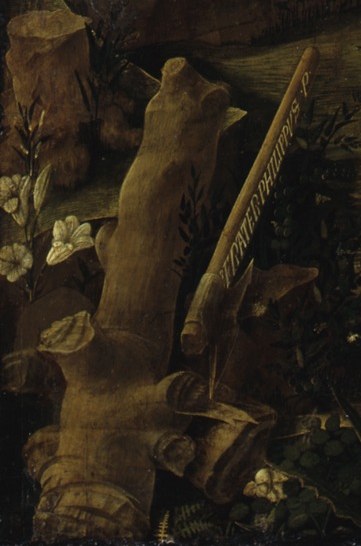
Take a moment to observe the details: the meticulous rendering of the forest trees and undergrowth, the humble felled tree stump in the foreground, and Mary's vibrant blue robe, which draws the eye. The painting's deviation from convention was a bold move for its time.
Lippi, a Carmelite priest himself, was known for his innovative approach to religious subjects, often encouraged by patrons like the powerful Medici family. This painting was originally an altarpiece for the Magi Chapel in the Palazzo Medici in Florence, a testament to the period's artistic experimentation.
Lippi's ability to blend naturalism with spiritual narrative made him a pivotal figure in the early Renaissance. What do you find most striking about this unconventional Nativity?
Details
Transcript
This isn't a typical Nativity scene. The artist, a monk, reimagined it. Look closely at the setting. No stable, just a dense forest. Mary kneels, a young John the Baptist beside her. In the foreground, a felled tree stump, emphasizing the woodland. Commissioned for the Medici Chapel, it now hangs in Berlin. The painter was known for breaking tradition, even as a priest.