The Junction of the Thames and the Medway by Turner, Joseph Mallord William
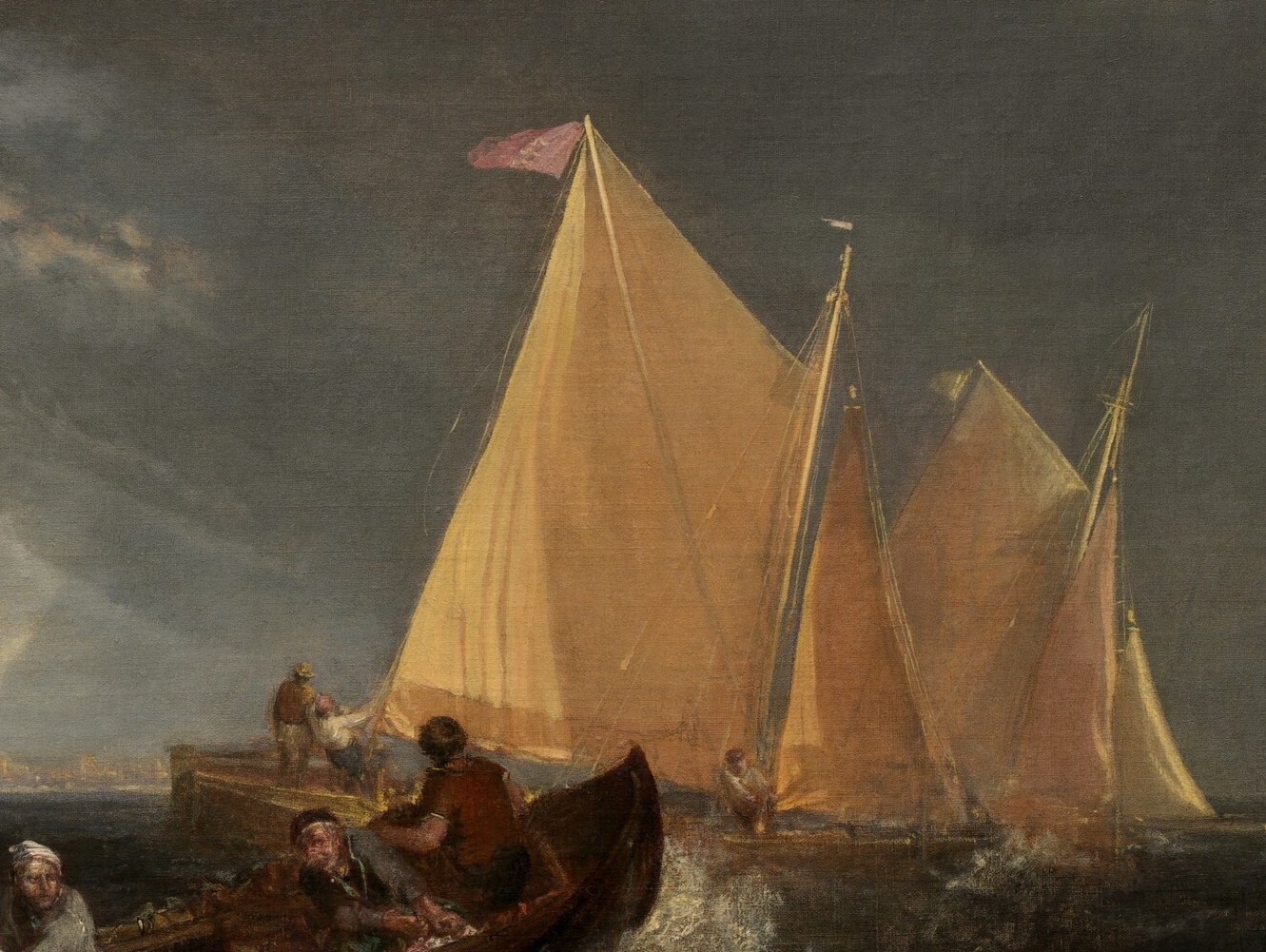
J.M.W. Turner's 1807 oil painting, "The Junction of the Thames and the Medway," at Tate Britain, captures a serene meeting of two significant English rivers. While often seen as a calm maritime vista, a small, often overlooked detail hints at a story beyond the tranquility.
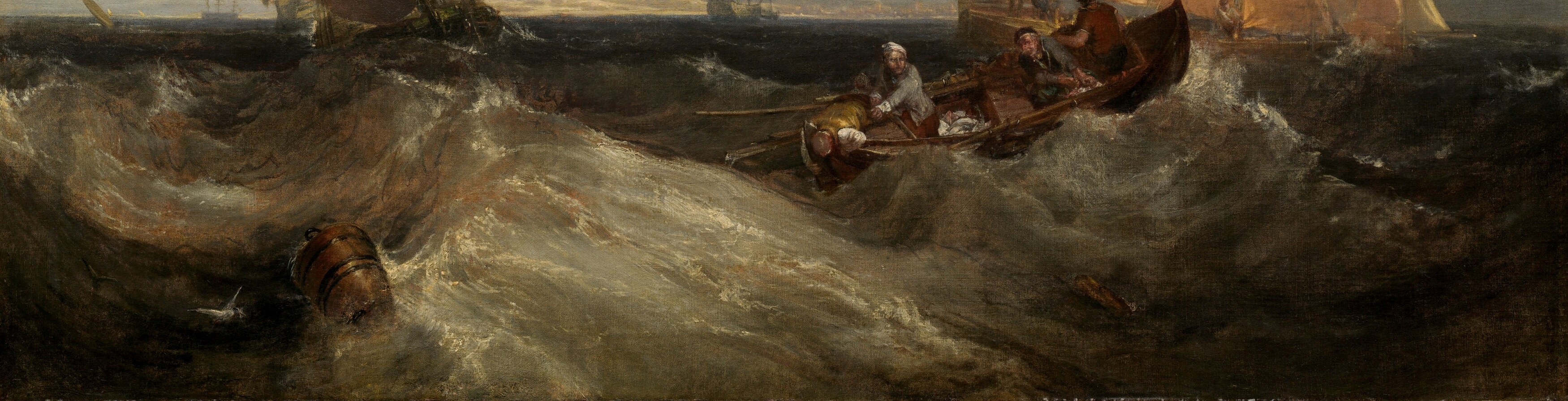
Look closely at the foreground: a lone barrel floats in the turbulent water. This small, unexpected object adds a touch of realism to the scene, perhaps suggesting lost cargo, debris from a distant shore, or simply the everyday realities of river life.
This early work by Turner shows the influence of 17th-century Dutch seascapes and his developing skill with light and water. He was appointed Professor of Perspective in the year he painted this, laying groundwork for the sweeping, almost abstract works that would define his later career.
The barrel invites us to consider the hidden narratives within familiar landscapes, reminding us that even in stillness, stories unfold.
Details

Transcript
This painter often showed the power of the sea. Look at the turbulent water in the foreground. His use of light and color creates a sense of tranquility. But an unexpected detail floats in the waves. A lone barrel, hinting at cargo lost or discarded. It's a small story in a vast, calm painting.