Portrait of a Man by French 17th Century
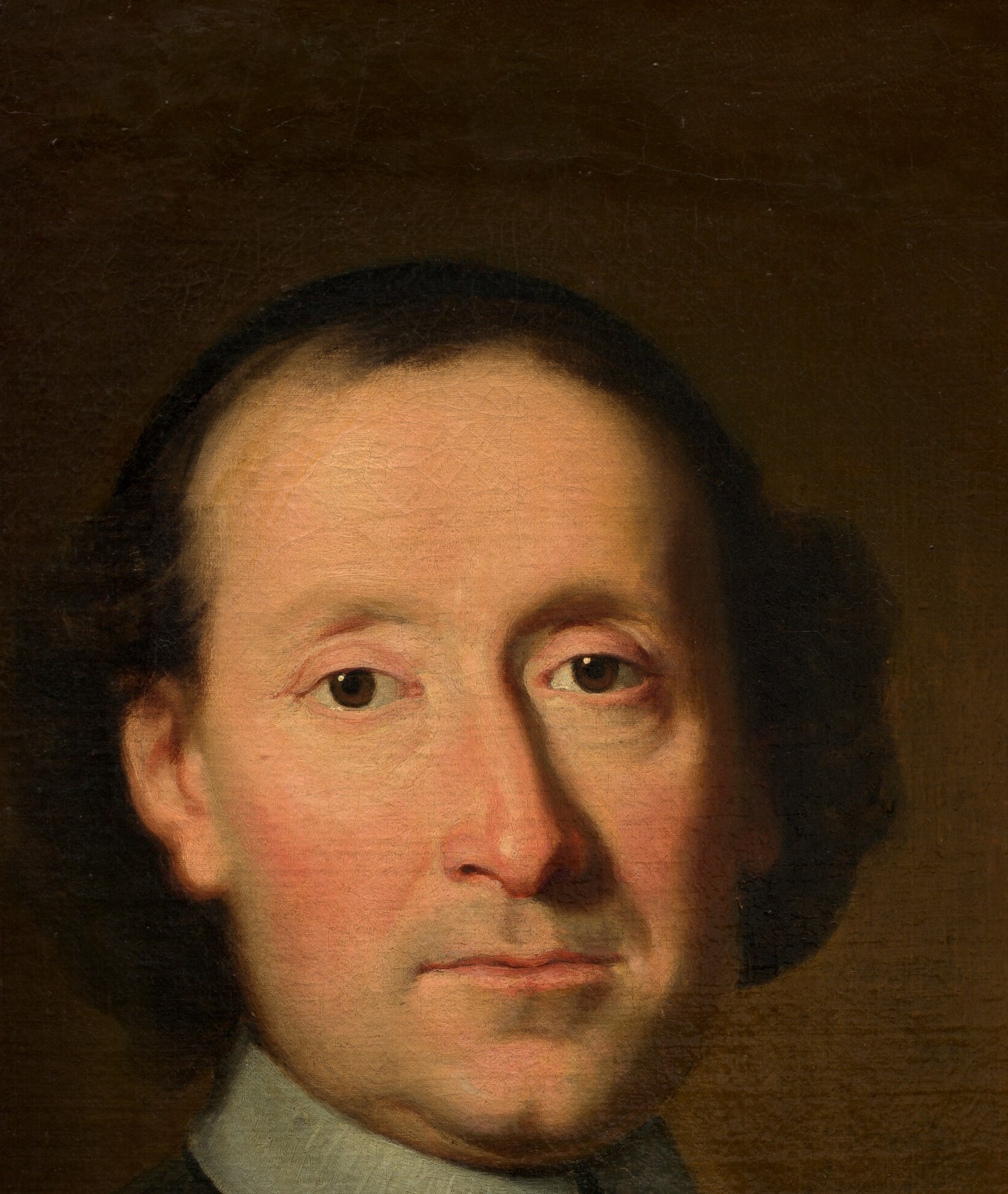
This is Portrait of a Man, painted in France in the mid-1600s by an unknown hand, now in a public collection. It is not a famous picture. But it is a quiet masterclass in how to build a human face out of nothing but light and shadow.
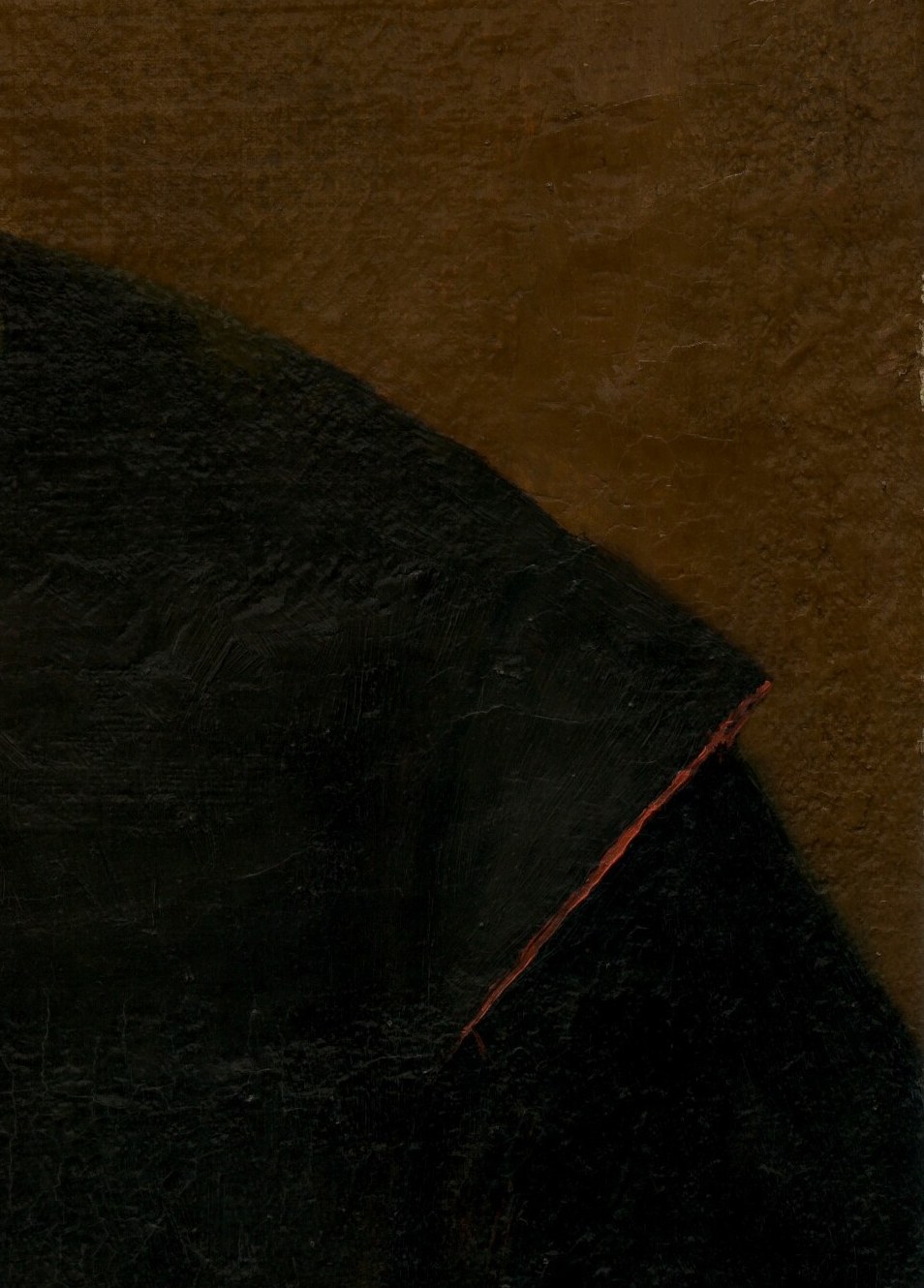
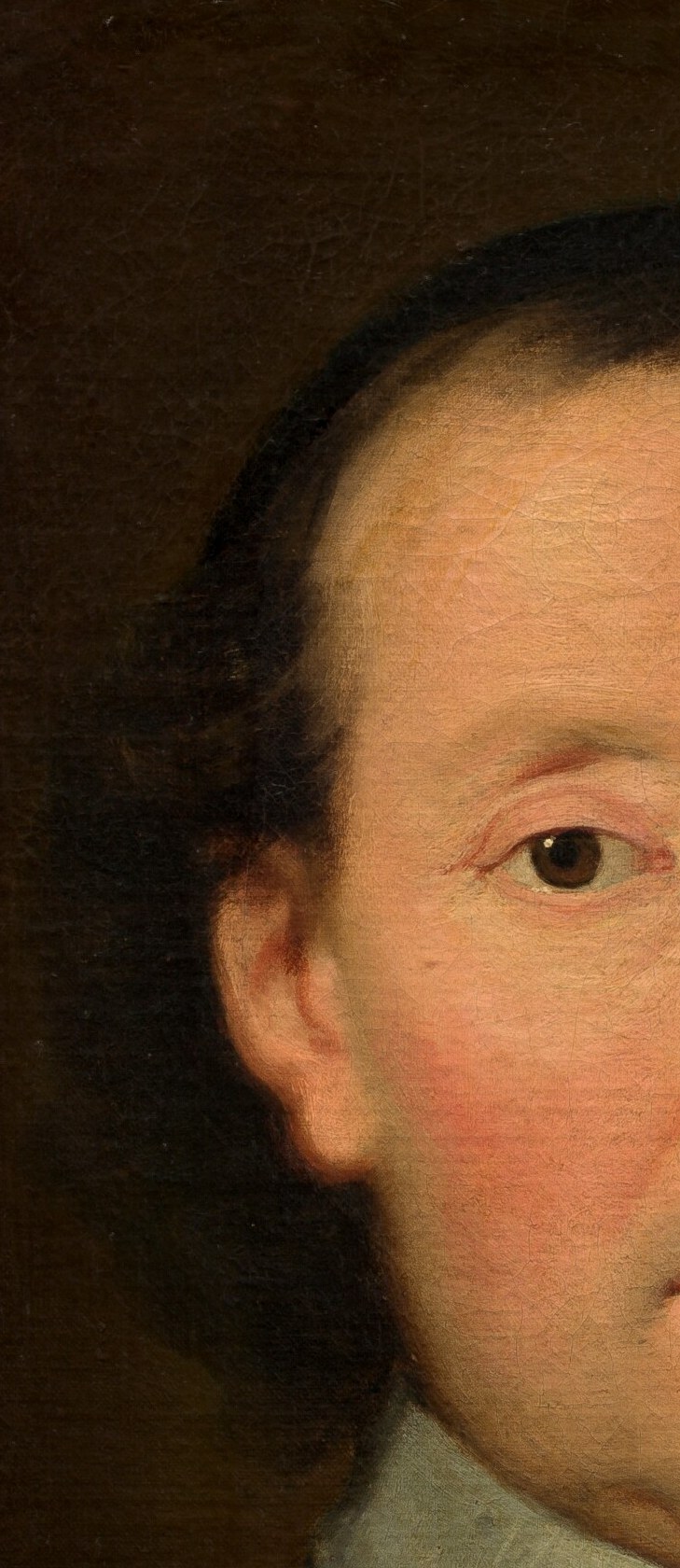
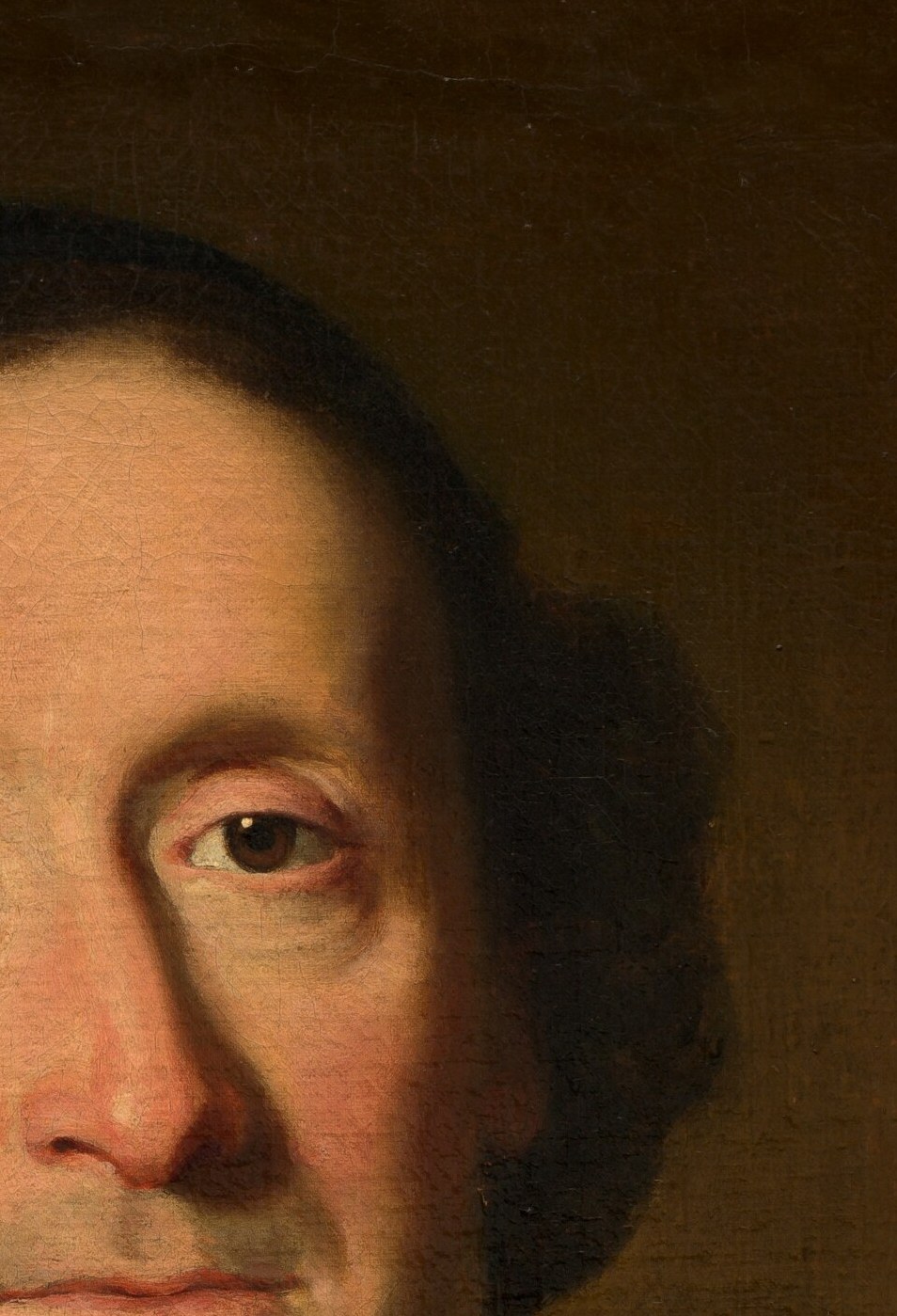
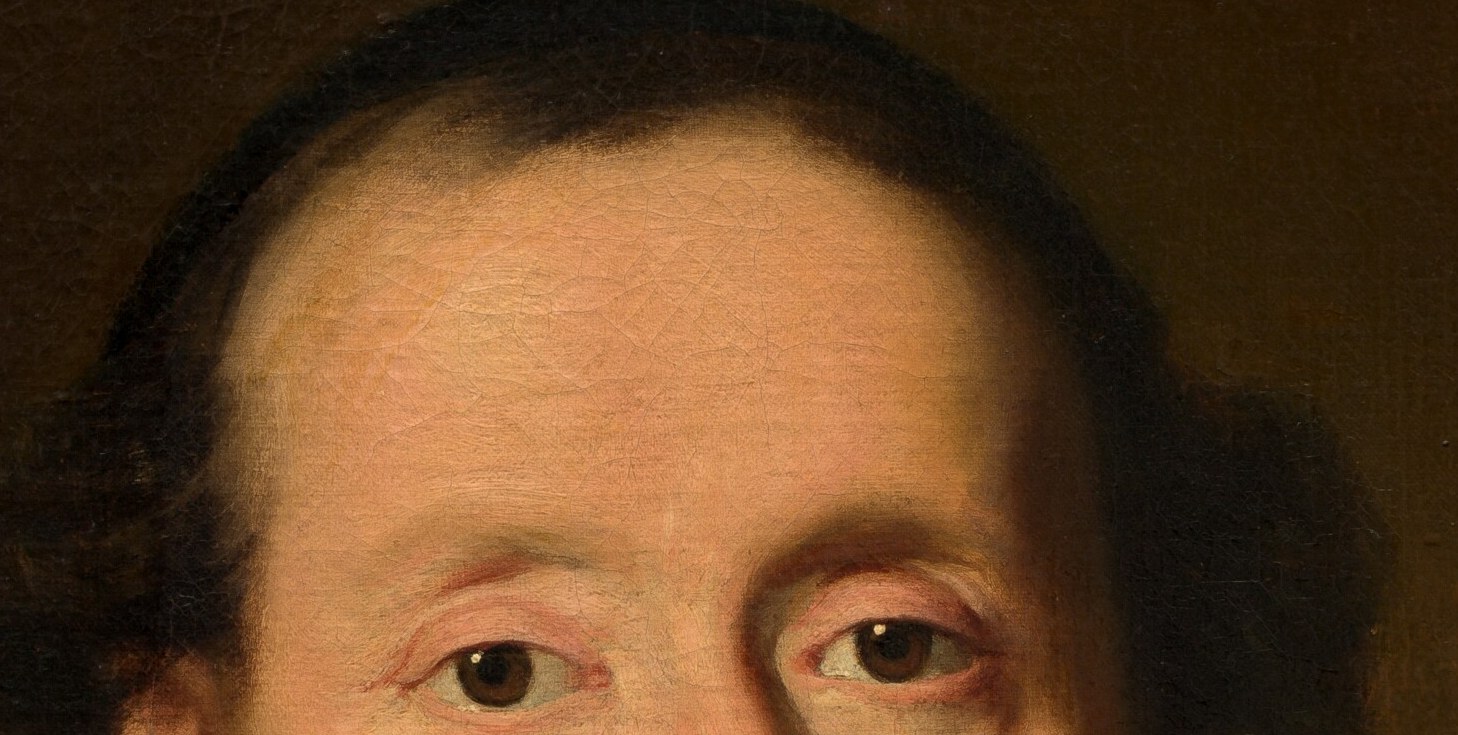
Watch what the painter refuses to do. He gives us no crisp outline separating the man from the darkness. The right shoulder bleeds into the background. The left side of the face is swallowed by shadow, yet we understand every plane, every angle of bone. The only things fully lit are the cheek, the forehead, and the eyes. Everything else is suggested.
This technique belongs to the chiaroscuro tradition that swept across seventeenth-century Europe, from Caravaggio in Rome to Georges de La Tour in Lorraine. Our painter was working in that lineage, modelling form by pushing light forward and letting darkness recede. The warm glazes on the illuminated cheek were almost certainly built in thin, translucent layers: a technique that takes days of drying between applications.
The subject is probably a cleric or minor official, the dark coat and small white collar point that way, but the sitter’s identity matters less than the painter’s priority. No distracting hands, no props, no background detail. Just one face, half-hidden, fully present. What do you notice first when you look at the eyes?
Details
Transcript
This man is made of darkness. His right shoulder dissolves completely into the background. There is no painted outline holding his form together. Seventeenth-century painters called this sfumato: form emerging from smoke. Look at the skin on his cheek: warm, living, built in soft layers of glaze. Now the eyes. Alert, reserved, holding you at a civil distance. The left side of his face falls into deep shadow, but every feature still reads. The painter built an entire portrait without a single hard edge.