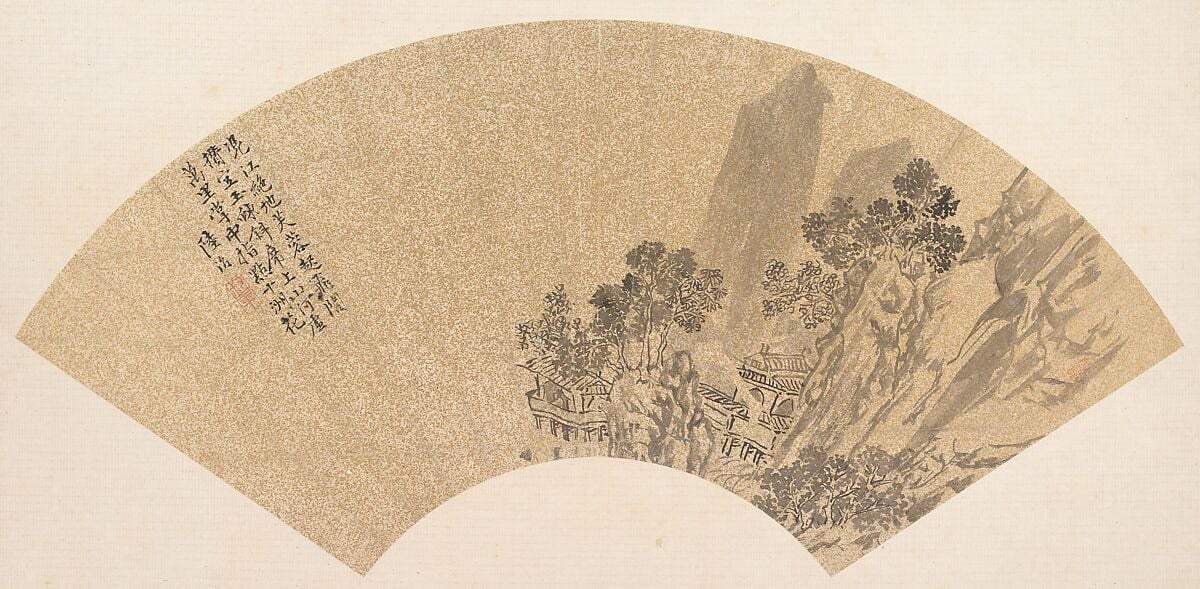
清 倣王時敏 山水 扇面|Landscape by Wang Shimin
This serene "Landscape," executed in ink on gold paper, presents a fascinating case of art historical attribution. While it carries an attribution to the renowned Ming Dynasty painter Wang Shimin and a date of 1648, scholarly review now suggests it was likely painted much later, around 1805.
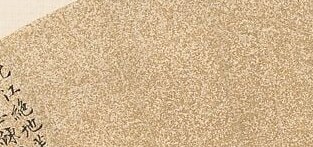
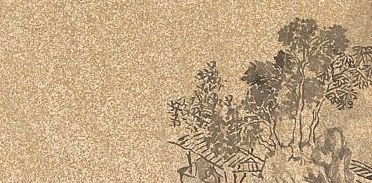
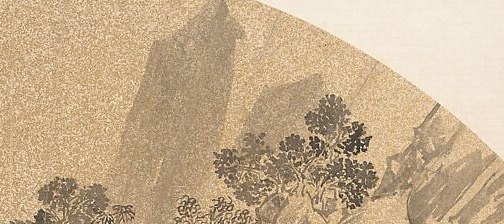
The subtle sheen of the gold paper, a key stylistic element, helps place its true origin in the 19th century. This kind of careful analysis of materials and technique is crucial for accurate dating and attribution in traditional Chinese painting.
Wang Shimin, an important figure in the Four Wangs and the Six Masters of the early Qing period, was known for his landscape works. However, the complexities surrounding this piece highlight the ongoing challenges and meticulous detective work involved in authenticating historical Chinese artworks, where stylistic analysis and material evidence are vital.
It makes you wonder, what other stories are hidden in the materials themselves?
Details
Transcript
This tranquil landscape seems to be an 18th-century work. It’s attributed to Wang Shimin, a famous Ming Dynasty painter. But the date of 1648 on the work is likely spurious. Scholars now believe it was painted much later, around 1805. The luminous gold paper suggests its true 19th-century origin. Attribution in Chinese painting is a complex, evolving puzzle.