Family Portrait by Adriaen Thomasz. Key
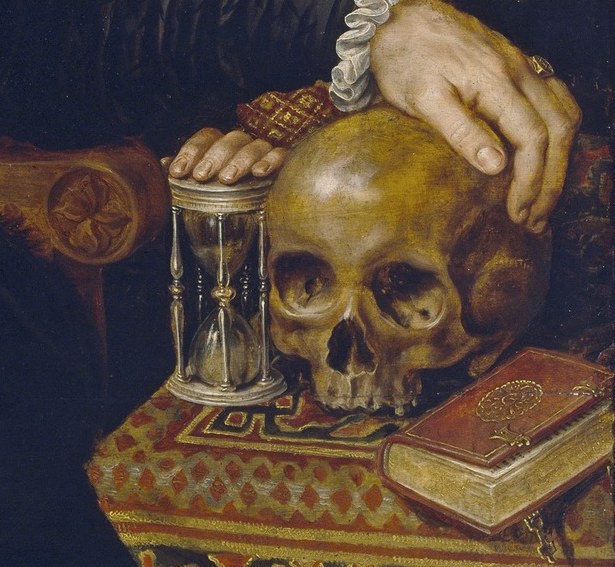
Adriaen Thomasz. Key's *Family Portrait*, painted around 1592 and housed at the Museo del Prado, is a powerful memento mori. This Flemish masterpiece uses the symbols of the skull and hourglass to remind us of life's fleeting nature, even amidst symbols of wealth and status.
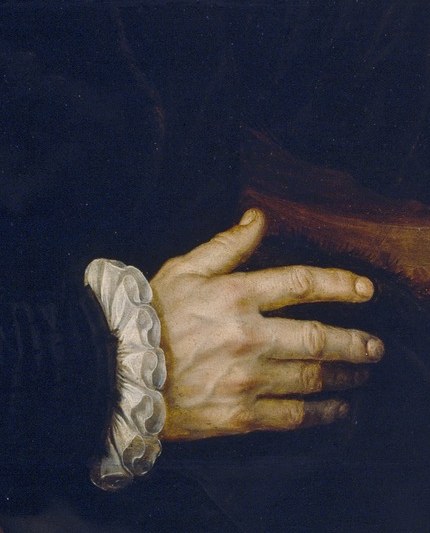
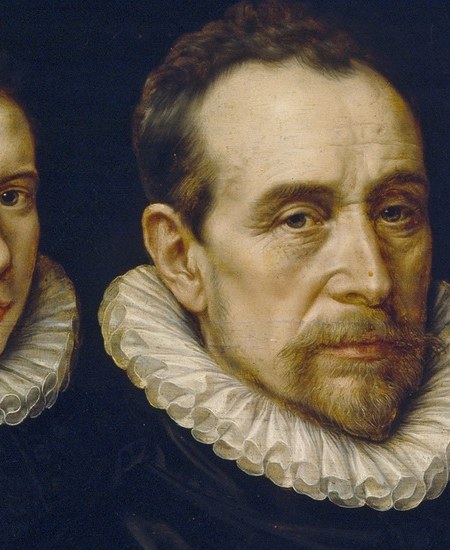
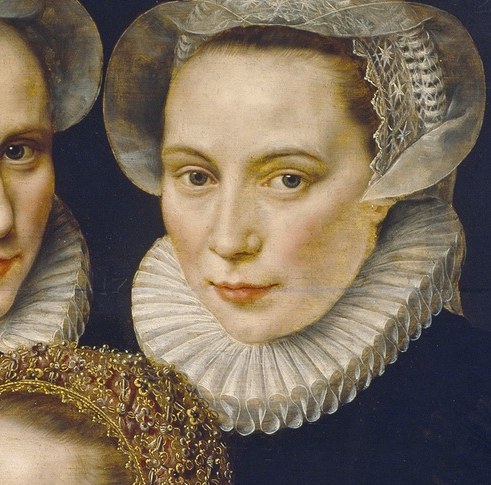
Notice the elaborate lace collars and the rich fabric patterns that speak to the family's prosperity. Then, focus on the objects on the table: a book, an hourglass, and a skull. The boy’s youthful hand gestures towards these potent symbols.
Adriaen Thomasz. Key worked in Antwerp, inheriting the workshop of his uncle, Willem Key. He was known for his technically masterful portraits and religious scenes. This work embodies the somber, reflective mood characteristic of late 16th-century Flemish art.
Even in a portrait meant to celebrate a family, the ever-present reality of death was a common theme, prompting viewers to contemplate their own mortality.
Details
Transcript
This painter captured a moment of family and mortality. Look at their clothes: lace collars show their status. This boy holds symbols of life and death. The hourglass tells us time is passing. A skull reminds us that all will die. The father’s hand invites us to consider this. This family portrait was made in 1592.