Roulin's Baby by Gogh, Vincent van
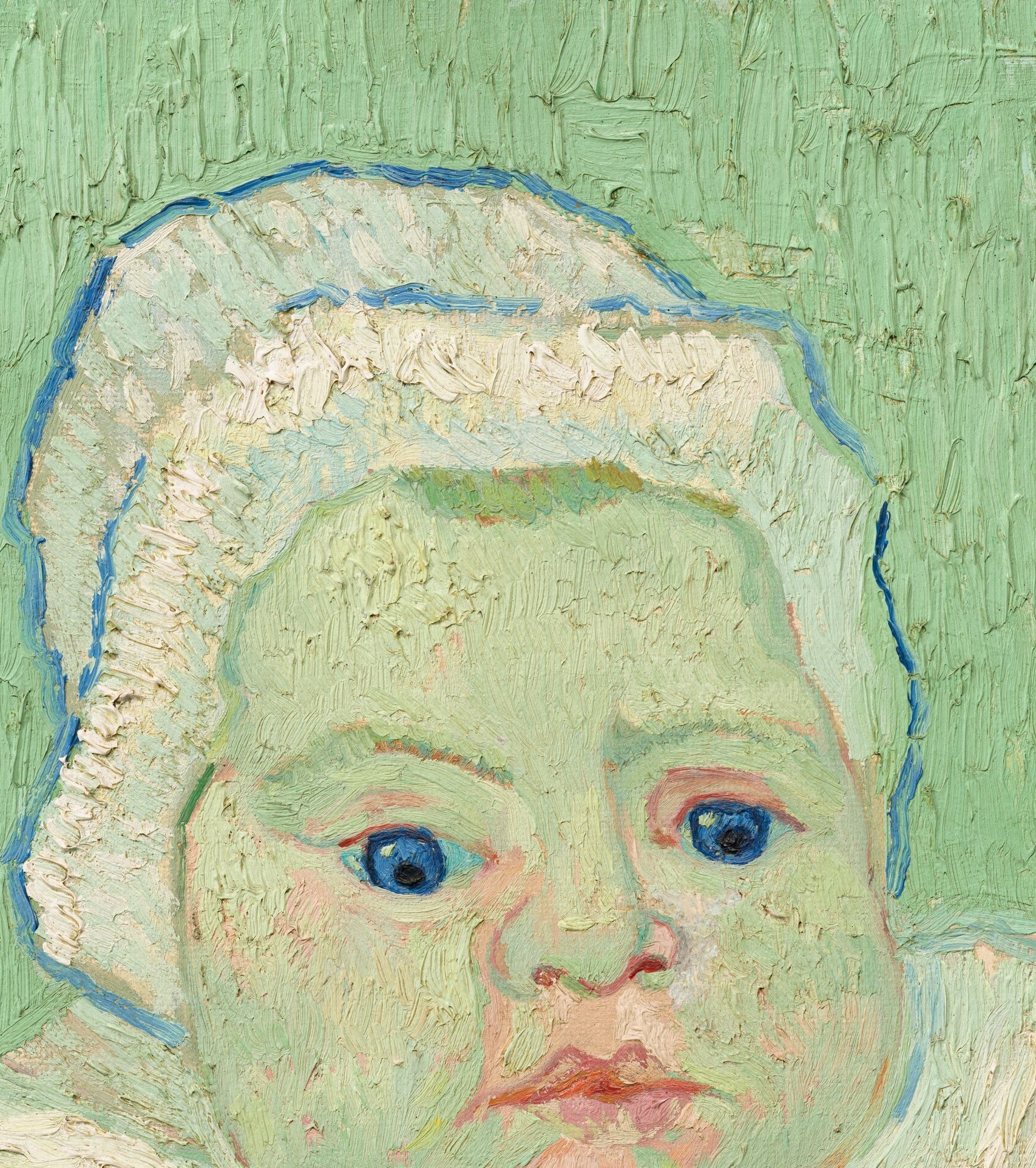
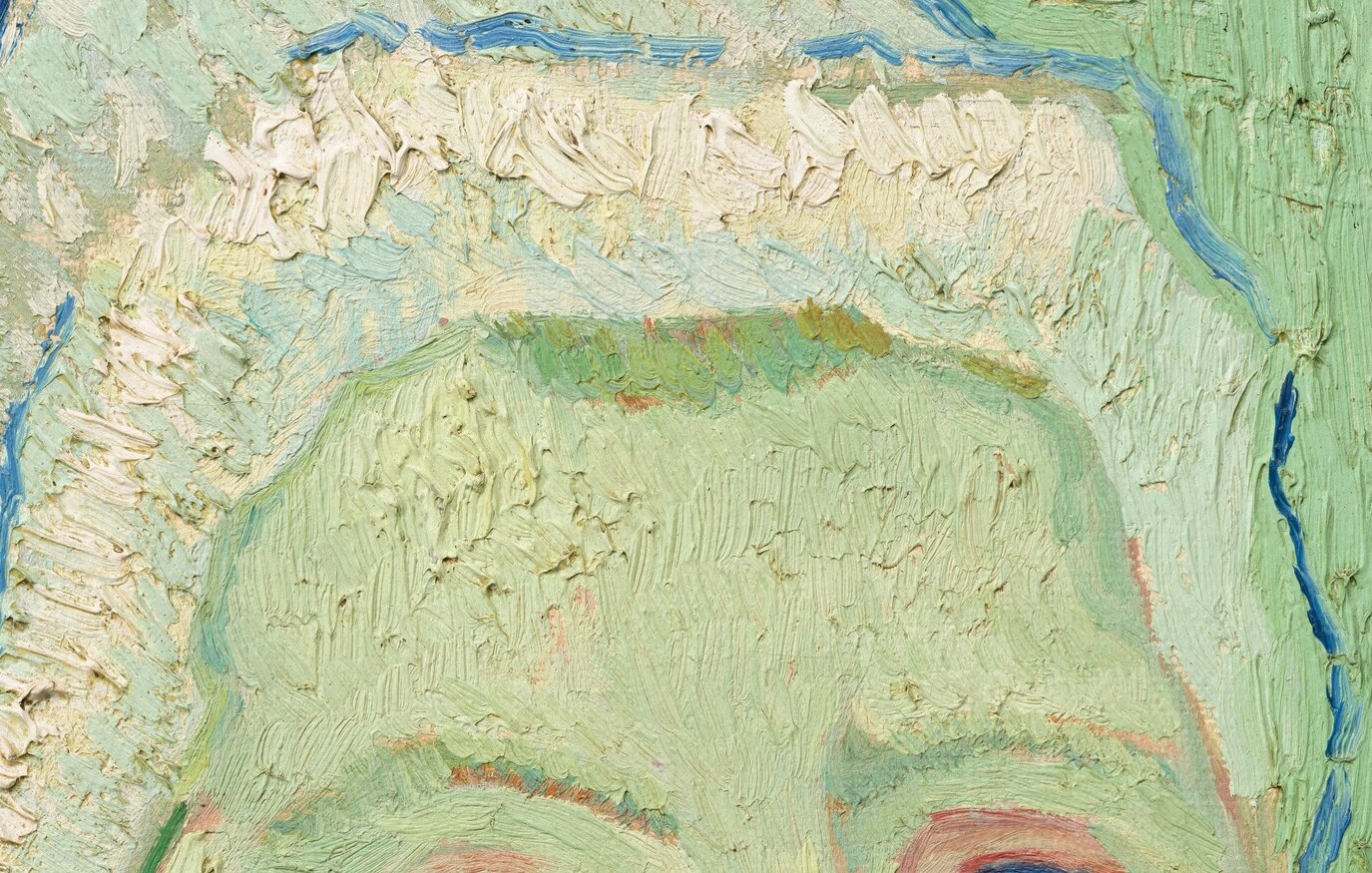
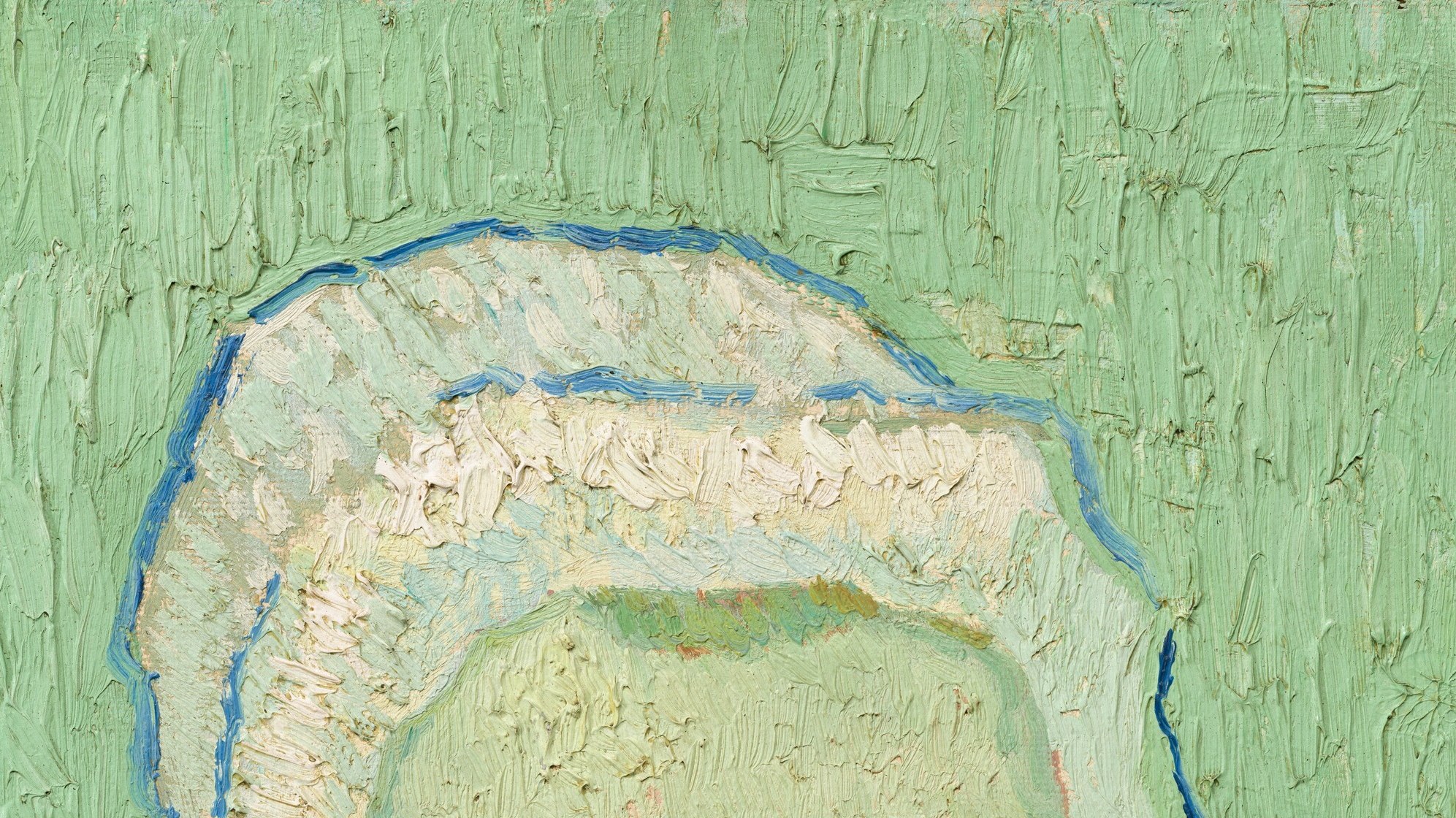
In 1888, Vincent van Gogh painted Roulin's Baby, a portrait of Marcelle Roulin, the infant daughter of his friend Joseph Roulin. This oil on canvas work, now at the National Gallery of Art in Washington D.C., is a poignant example of Van Gogh's ability to imbue everyday subjects with profound emotion.
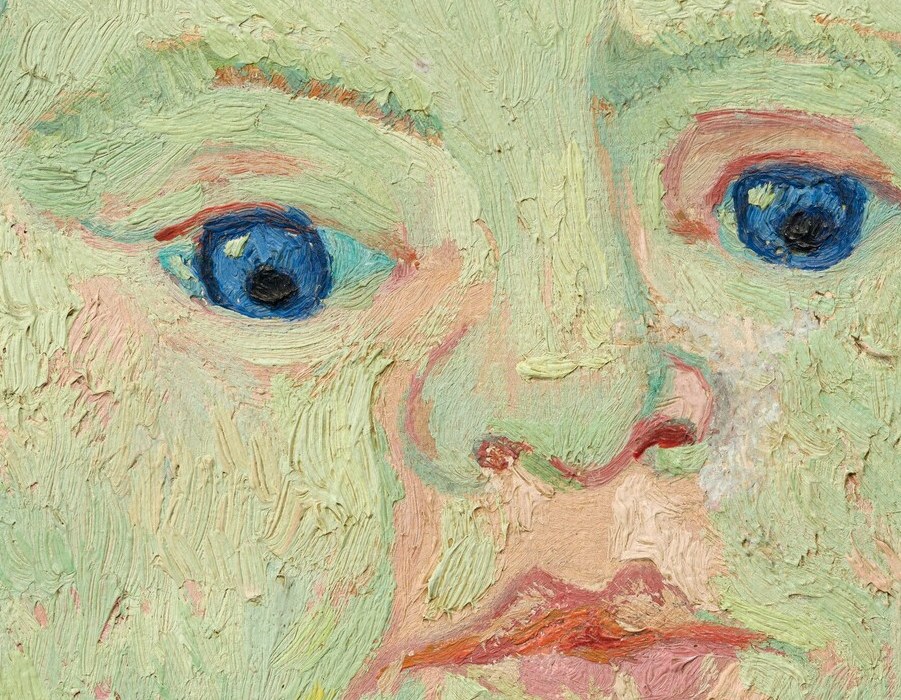
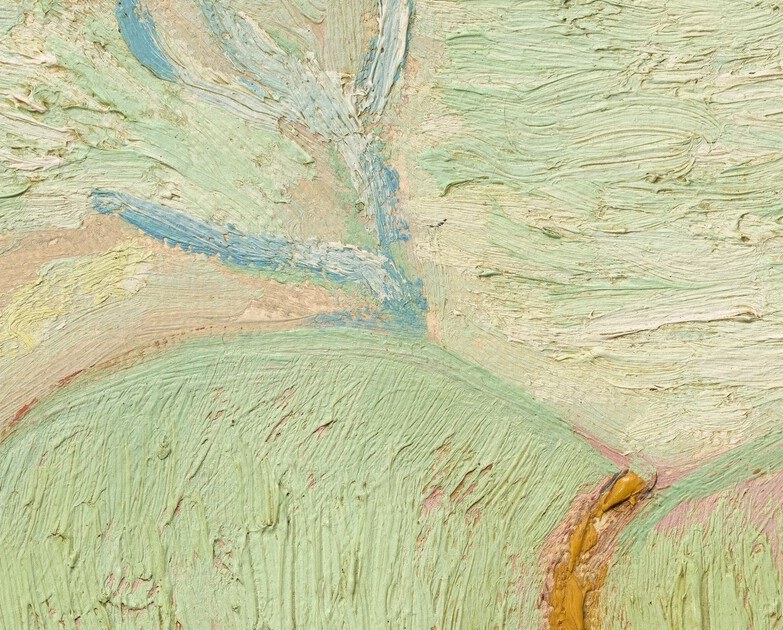
Look closely at Marcelle's face; Van Gogh captures her with an unusual directness and solemnity, particularly in her wide, dark eyes. This isn't just a rendering of a baby, but an exploration of nascent humanity. The golden bracelet on her wrist, a deliberate detail, grounds her as a specific child, a testament to the care of her parents.
This painting is part of a series of portraits Van Gogh created of the Roulin family during his time in Arles, France. During this period, Van Gogh was highly prolific, producing a significant number of his nearly 2,100 artworks in the final two years of his life, often focusing on the people around him.
What does it mean for an artist to grant a newborn such psychological weight and presence?
Details
Transcript
Van Gogh painted this baby, Marcelle Roulin, in 1888. Her father, Joseph, was a friend who sat for him many times. The artist often captured the humanity of ordinary people. He renders her gaze with unusual directness and solemnity. He captures alertness rather than typical infant sweetness. A golden bracelet individualizes her, a touch of parental care. Van Gogh elevates a newborn with the weight of an adult portrait.