Tapuya Encampment by Catlin, George
George Catlin painted *Tapuya Encampment* in 1854, and it now lives in the National Gallery of Art in Washington, D.C. It is a small oil on card, intimate in scale, of a place the artist never actually visited.
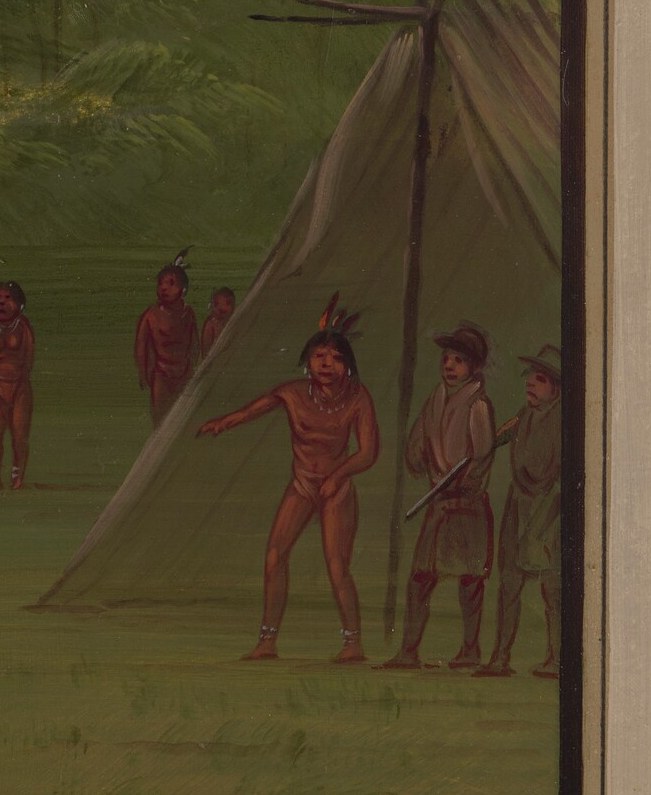
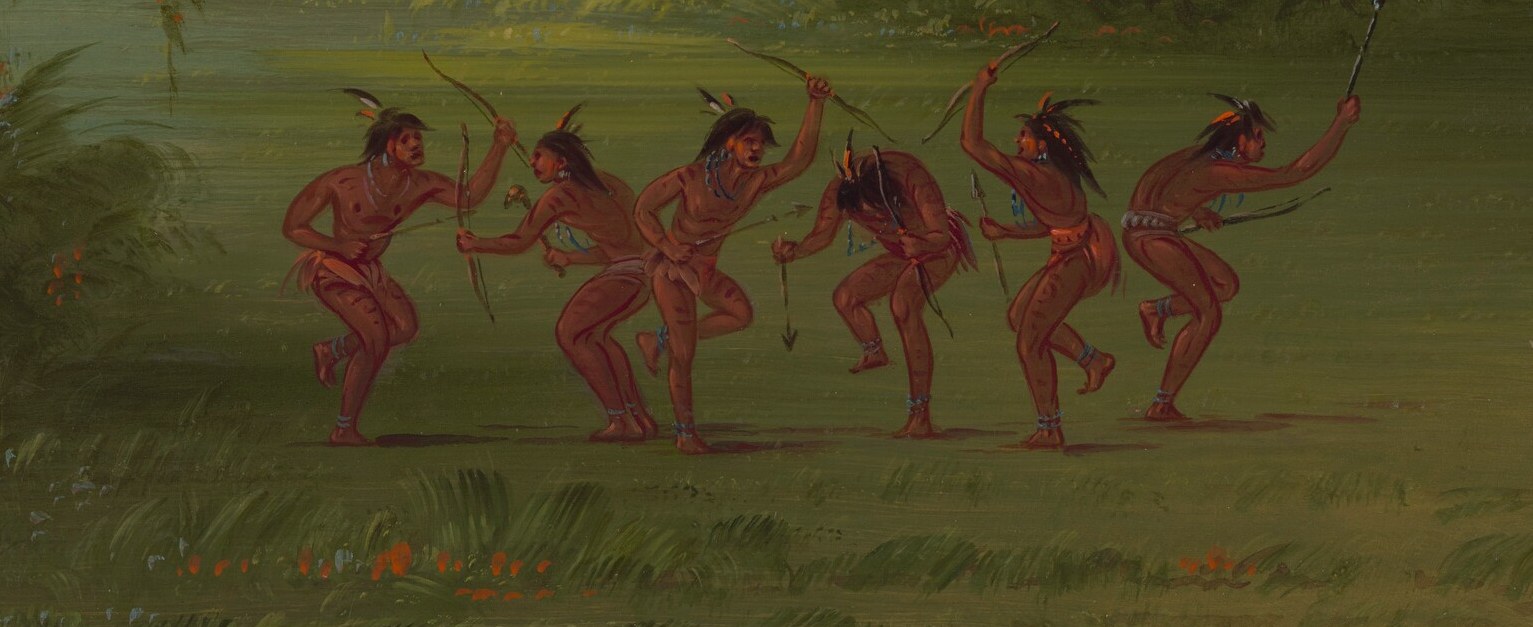
Look at the woman tending the fire under the towering trees. Catlin built this scene from sketches and accounts by other artists who had been to Brazil. The vivid cloth draped from a branch and the relaxed circle of figures are not a record from life. They are an act of imagination, an attempt to honor a culture he knew only on paper.
Catlin had spent the 1830s traveling the American West, painting Plains Indians from direct observation. By the 1850s, his ambition stretched beyond the frontier he knew. He turned south, toward the Tapuya people of Brazil, relying on the eyes of others. The result is both a documentary impulse and a longing: a man who had made his name by seeing, now painting what he could never see.
An absent witness can still build a world worth looking at. What do you trust more in a painting, the thing the artist saw, or the care with which he tried to see it?
Details
Transcript
He was a lawyer who left the courtroom to paint Native American life. He traveled the American frontier five times in the 1830s. But George Catlin never set foot in Brazil. This entire encampment was built from secondhand sketches. He painted the cloth bright, the fire warm, the community close. A family he never met, imagined with an outsider's care.