Portrait of a man by Ary de Vois
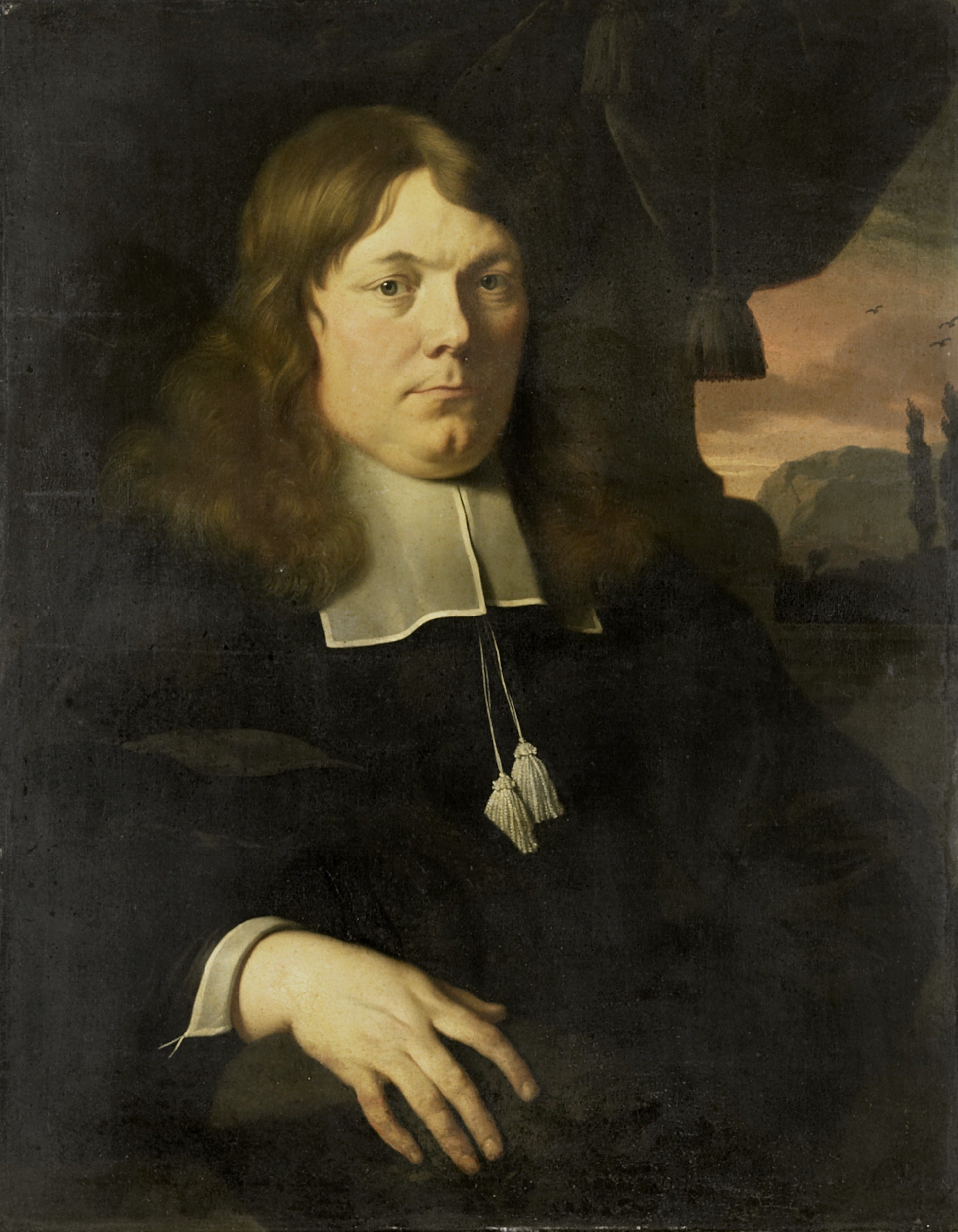
Ary de Vois's "Portrait of a Man," painted in 1670 and held at the Rijksmuseum, is a quintessential example of Dutch Golden Age portraiture, emphasizing introspection over overt status.
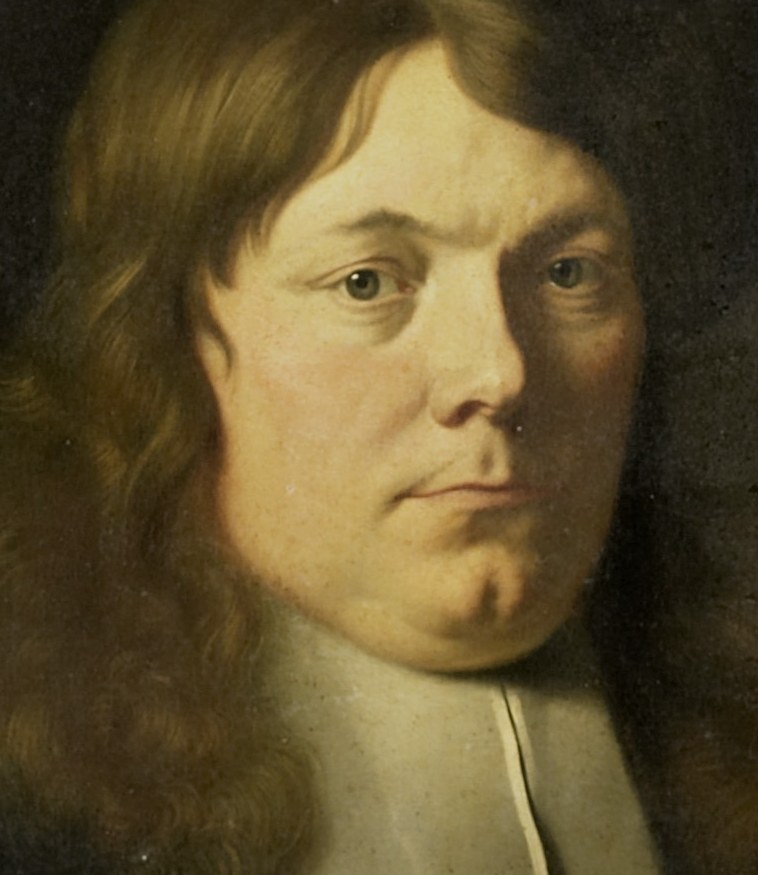
Observe the subject's serene expression and the subtle play of light on his features, particularly his left eye, which seems to follow you. The artist's use of chiaroscuro draws attention to the man's face, making his inner life the painting's focus.
De Vois was known for these quiet, dignified portraits. Though the sitter remains unidentified, his composed demeanor and simple, elegant attire speak volumes about the era's values of modesty and inner strength.
What do you imagine this man was thinking in 1670?
Details
Transcript
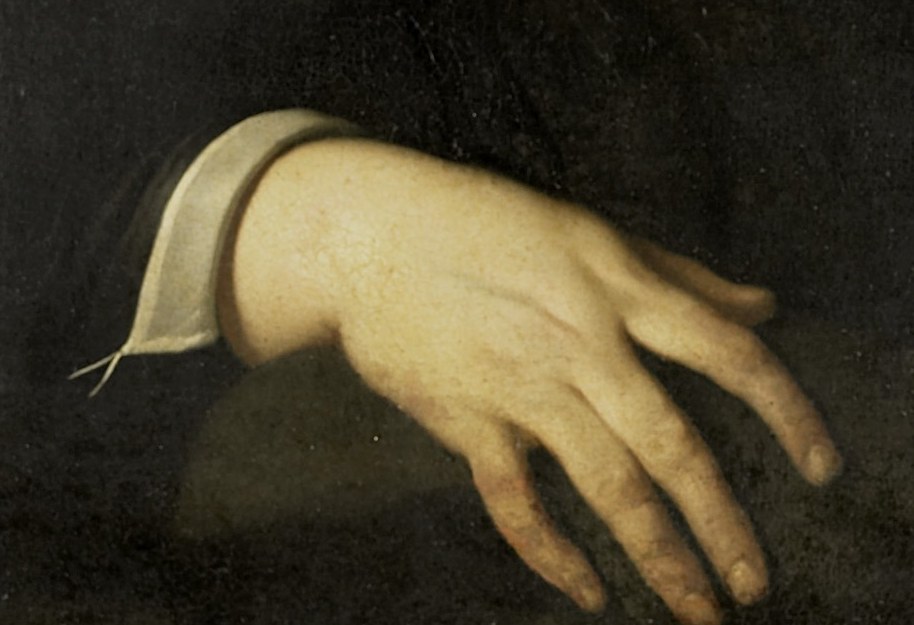
This man from 1670 looks out at us, calm and composed. The artist, Ary de Vois, specialized in these quiet, introspective portraits. Notice the subtle highlights on his left eye, bringing a sense of life. His open hand suggests a moment of contemplation or repose. His simple white collar and dark jacket convey modest dignity. This painting is a superb example of Dutch Golden Age portraiture.