Two children teasing a cat by Annibale Carracci
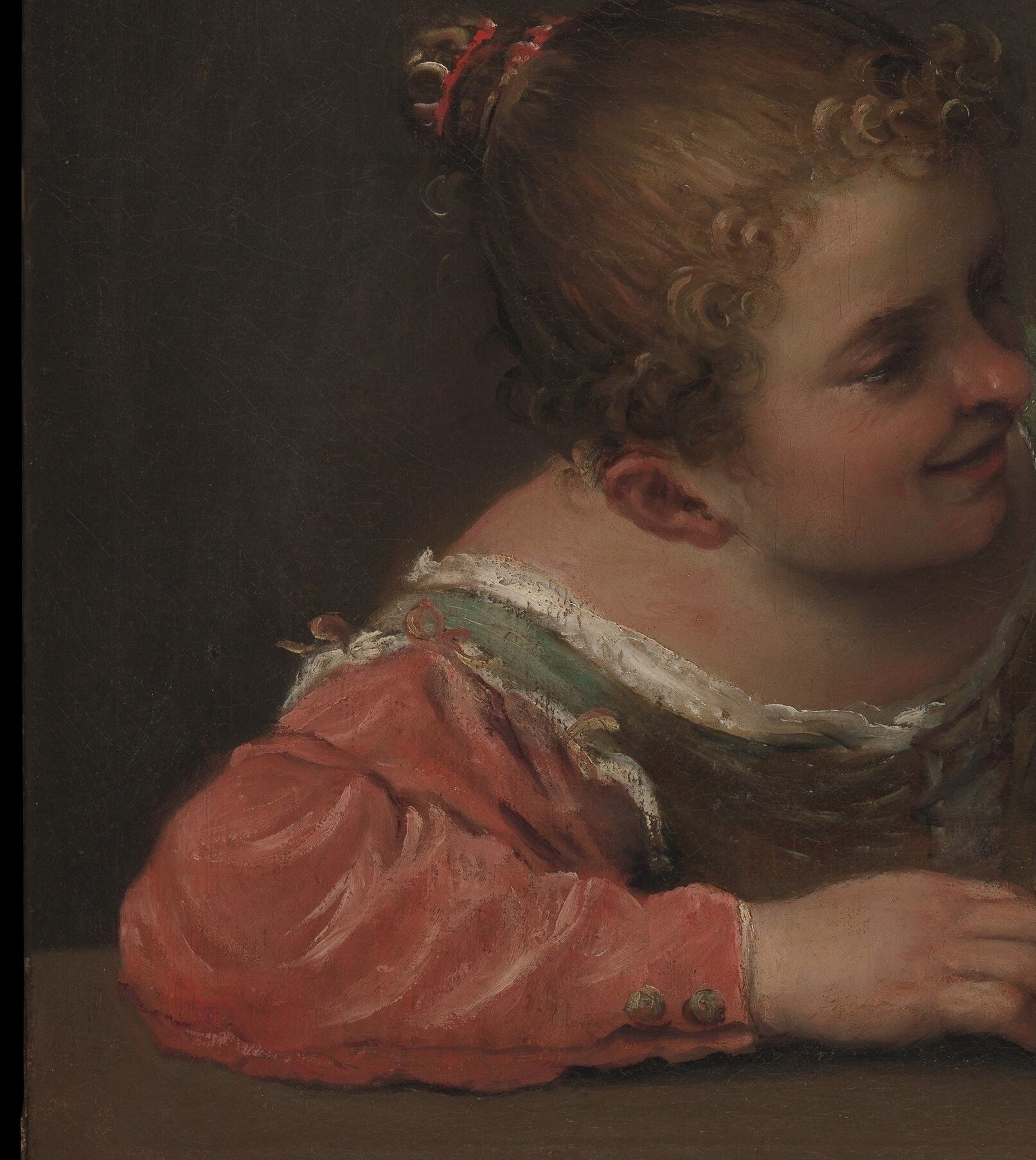
Two Children Teasing a Cat, painted by Annibale Carracci around 1588, is one of the first naturalistic depictions of a laughing child in Western art. The painting lives at the Metropolitan Museum of Art, which acquired it in 1994 after a long scholarly debate about who actually held the brush.
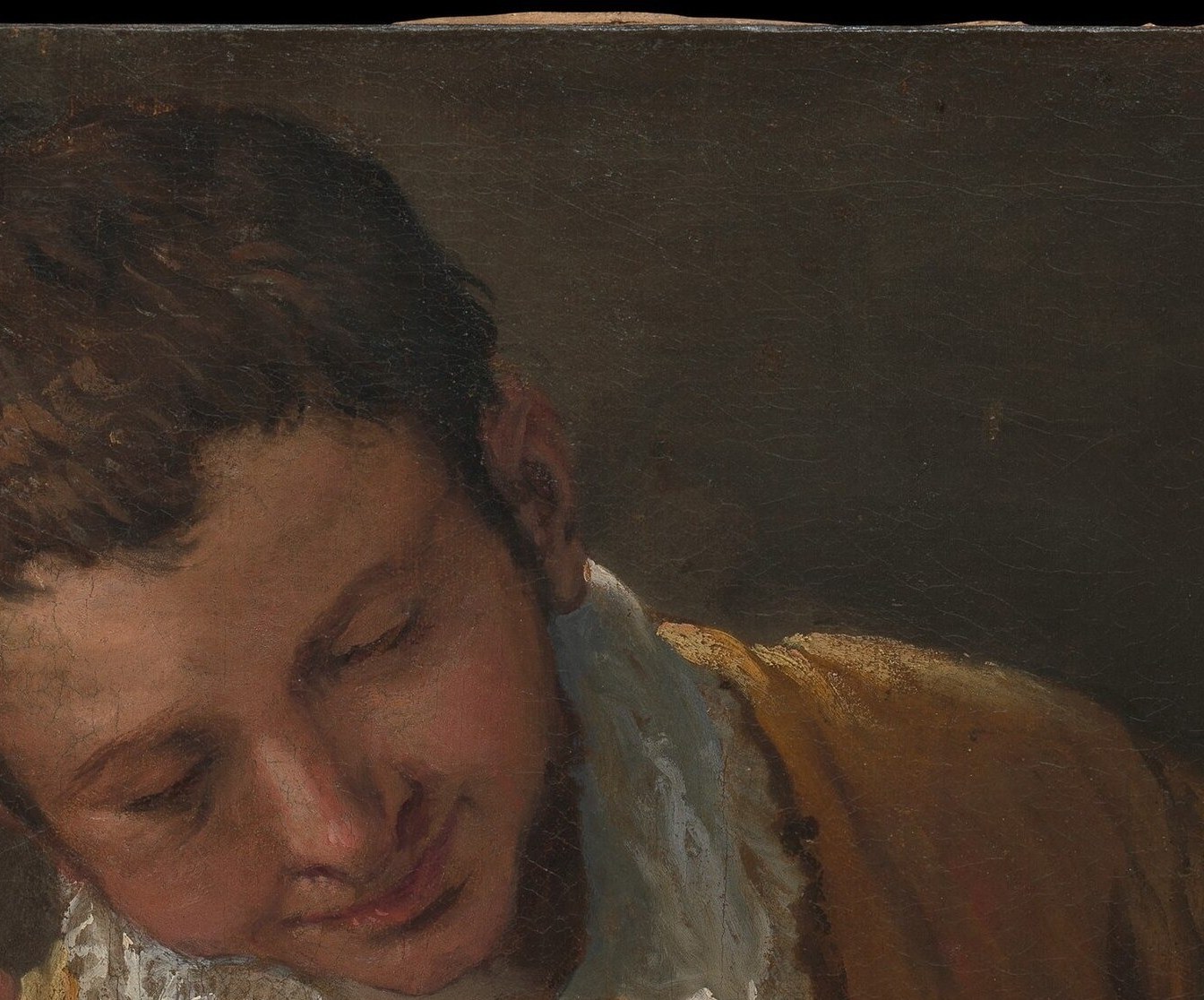
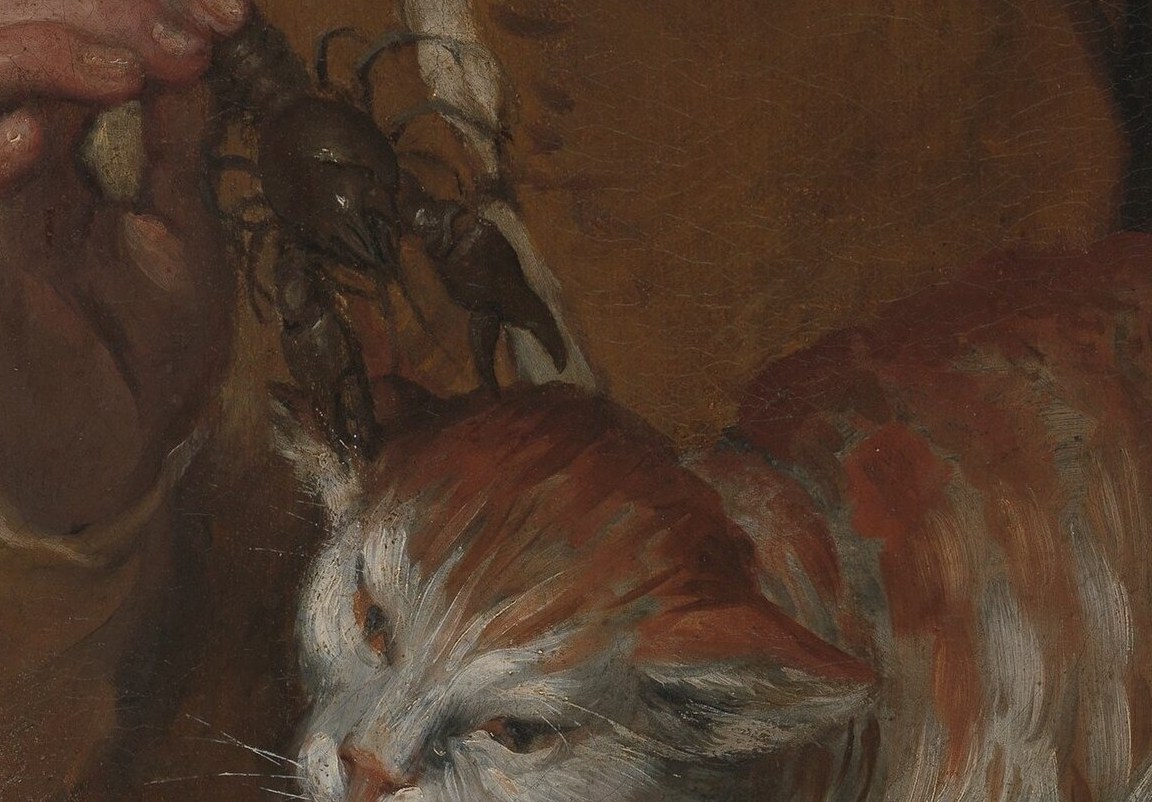
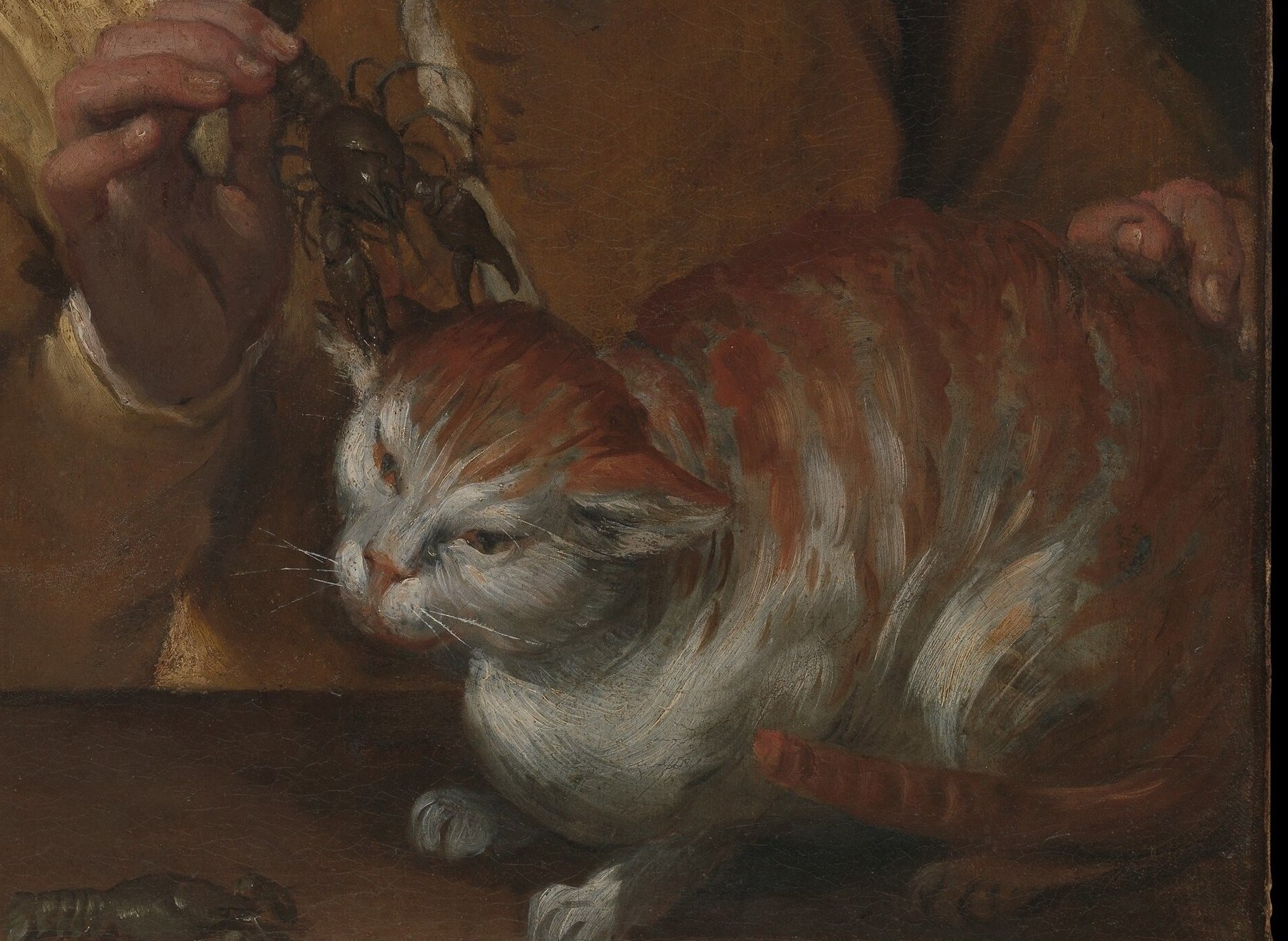
Look first at the older child's face. The wide, unguarded grin is not a polite smile. It is genuine laughter, caught mid-giggle, which was a radical departure from the idealized expressions of the late 1500s. Now find the younger child's eyes. The mixture of delight and apprehension creates the psychological tension. Finally, rest on the cat. Its tense, alert body language is the punchline, trapped in the moment just before it reacts.
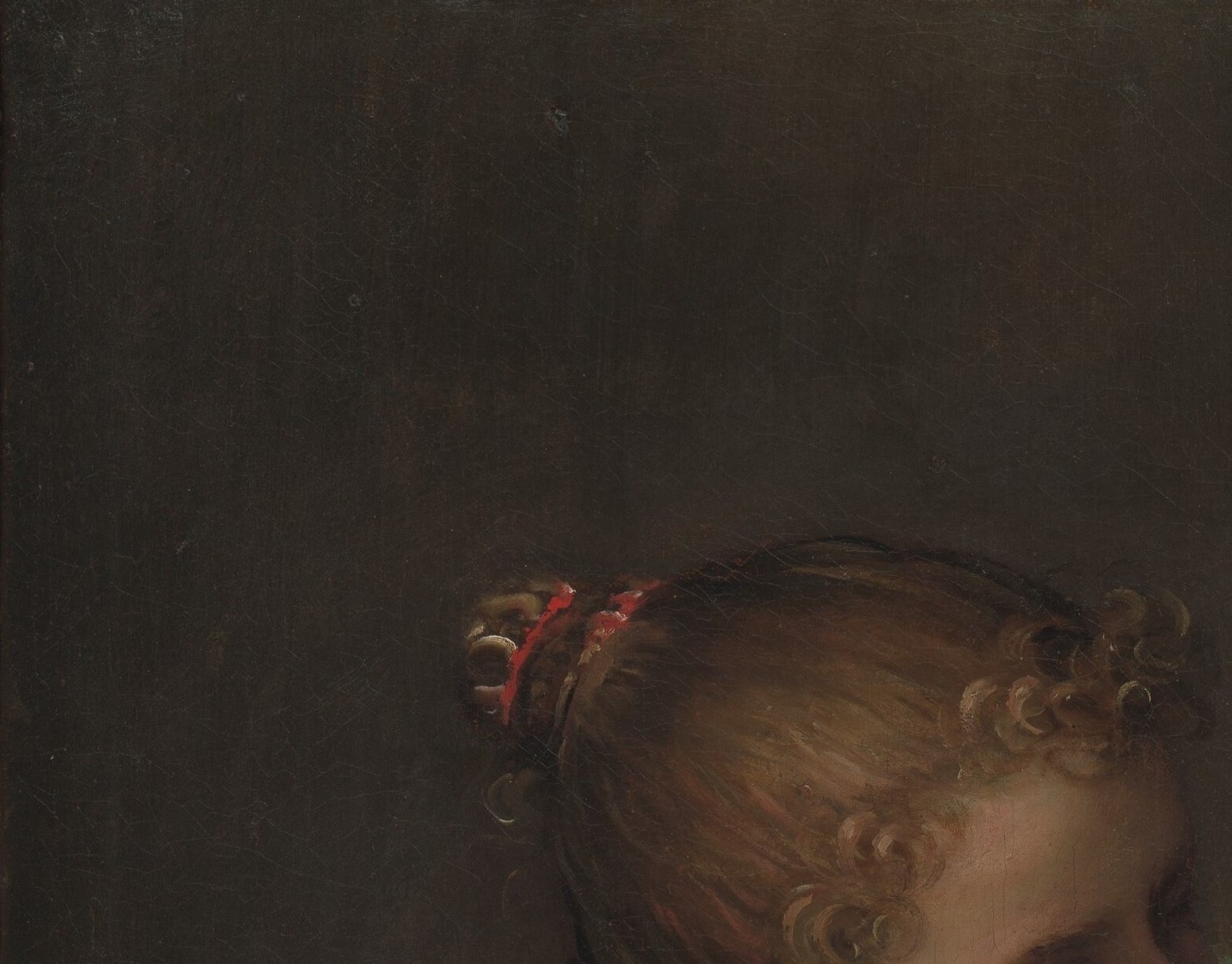
For centuries, the painting was attributed to Annibale's brother Agostino. The Italian art historian Roberto Longhi finally reattributed it to Annibale, an identification now widely accepted. No commission documents survive, so the dating is based purely on style. The dark, undefined background and rapid brushwork show the heavy influence of Venetian painters like Tintoretto, whom Annibale studied during his time in Venice at the end of the 1580s.
Genre scenes of everyday life were still unusual in Italian art at this time. This small, intimate panel captures an unheroic, candid moment. It broadened the scope of what a painter could call a subject and hinted at the Baroque dynamism Annibale would later bring to the Palazzo Farnese in Rome.
Details
Transcript
For years, experts argued over who painted this. Some said Agostino. But look at the older child's face. That open-mouthed, genuine grin is pure Annibale Carracci. He painted it around 1588, during a stay in Venice. The dark void behind them is a trick from Venetian masters. But here is what unsettles the scene. The younger child's wide eyes. Delight or dread? The Met bought the reattributed work in 1994. It is now a landmark of early genre painting.