Landscapes in Various Styles after Old Masters by Mei Qing
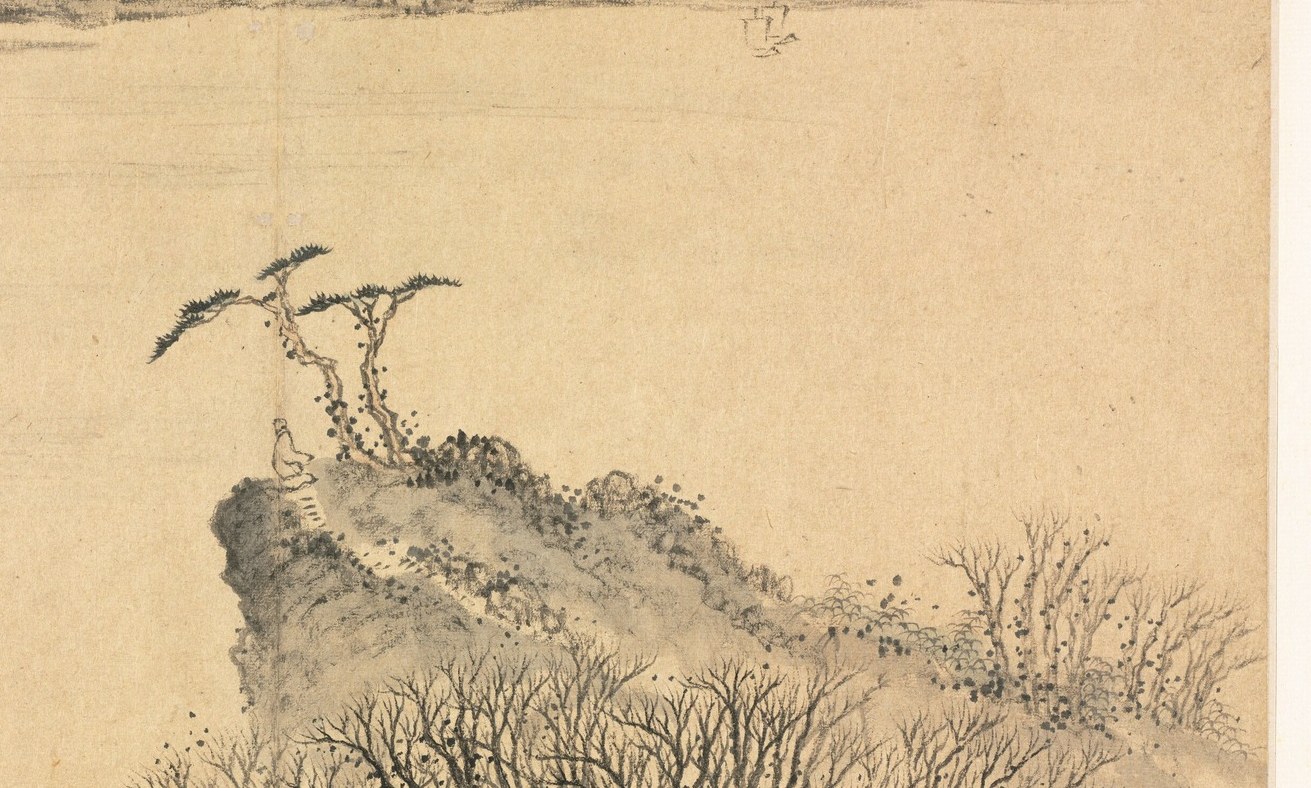
Mei Qing painted Landscapes in Various Styles after Old Masters in 1696, and it holds a secret most people scroll right past. A cliff, bare trees, and a vast empty expanse. The unpainted paper is the subject, deliberate void representing water or mist.
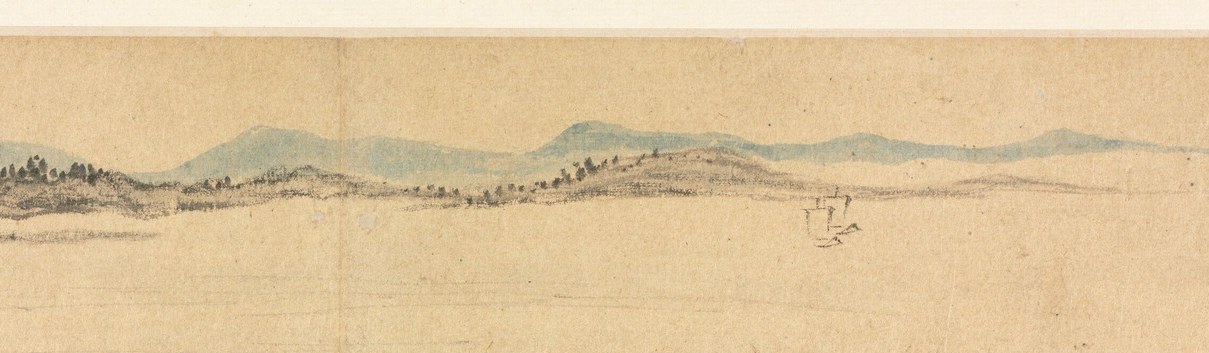
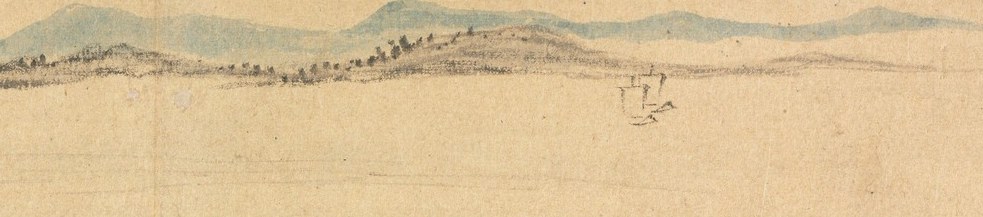
Now look at the very top of that emptiness. Not sky. A faint shoreline runs across the horizon. Finding that almost invisible wash line transforms the whole composition: the void becomes a lake, and the space snaps into depth. It is an astonishingly restrained move, and entirely invisible until you know to look.
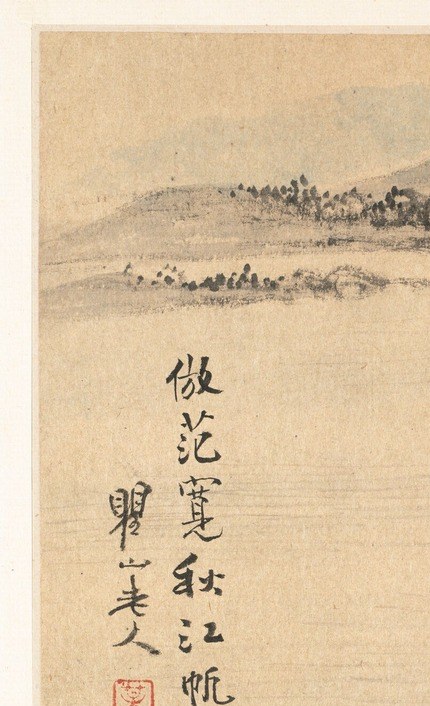
Mei Qing was a painter, calligrapher, and poet of the Qing Dynasty, born in Xuancheng. He studied under Wang Meng, befriended the great Shitao, and drew constant inspiration from his travels to the Yellow Mountain. This painting is his dialogue with history. The calligraphic inscription names the Old Masters whose styles he is channeling here. The dry-brush texture strokes on the cliff are a specific quotation, a visual argument made in wrinkles and dots.
Some paintings hide their best trick in plain sight. What else might you have missed?
Details
Transcript
A cliff, bare trees, and an immense emptiness. The unpainted paper is the subject. Water or mist, left deliberately blank. Now look at the very top of that emptiness. Not sky. A lake. The faintest shoreline runs across the horizon. Finding that line changes everything. The void becomes water. Mei Qing painted this in 1696, channeling the styles of past masters he revered. The inscription names them. The painting is a conversation across centuries.