明 佚名 倣陸治 山水 扇|Landscape by Lu Zhi
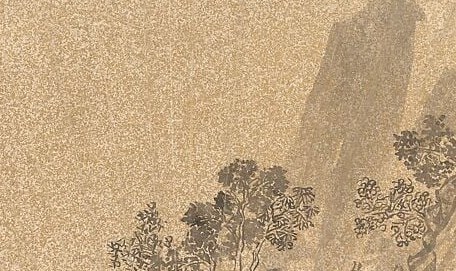
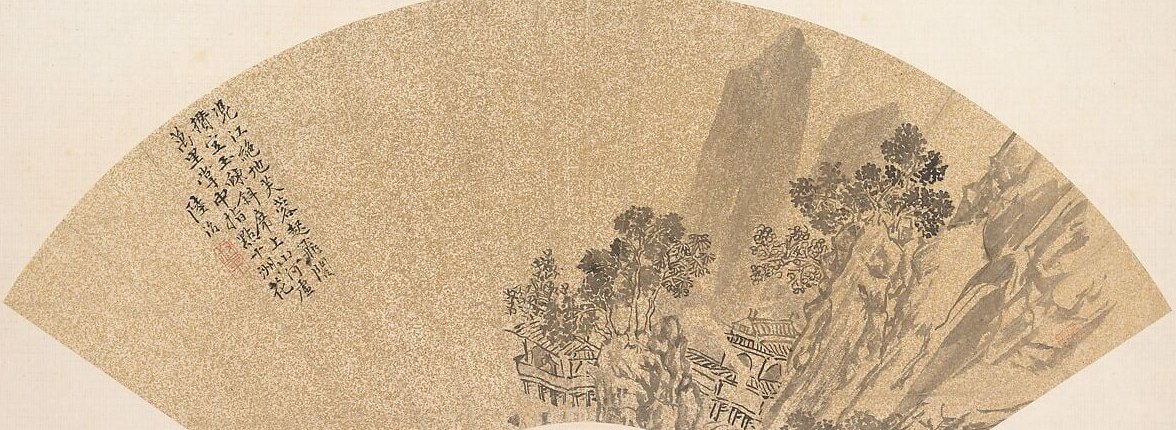
This serene painting, “Landscape,” by an anonymous artist working in the manner of Lu Zhi, dates to the 16th century. Originally a folding fan, it is now mounted as an album leaf, painted with ink on gold paper.
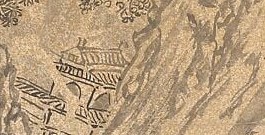
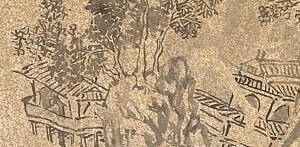
Observe the delicate rendering of the mountains emerging from a soft mist. Scattered amongst the peaks are small temple complexes, suggesting places of scholarly retreat and spiritual contemplation. The use of gold paper gives the scene a soft, luminous glow.
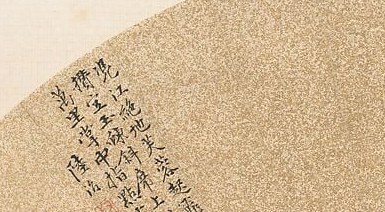
The painting's style reflects the refined landscapes of Lu Zhi, a prominent Ming dynasty painter. The accompanying calligraphy on the fan panel likely contains a poem, reinforcing the theme of a quiet, reflective life away from worldly concerns. It’s a work that encourages a moment of calm and introspection.
What details in the landscape draw your eye most deeply into its tranquil world?
Details
Transcript
This isn't just a mountain landscape. It began as a folding fan, painted on gold paper. Now look at the small temple complexes. They represent places of quiet scholarly retreat. And this inscription is a poem about living simply. The whole image is an invitation to contemplation.