Rochefort's Escape by Édouard Manet
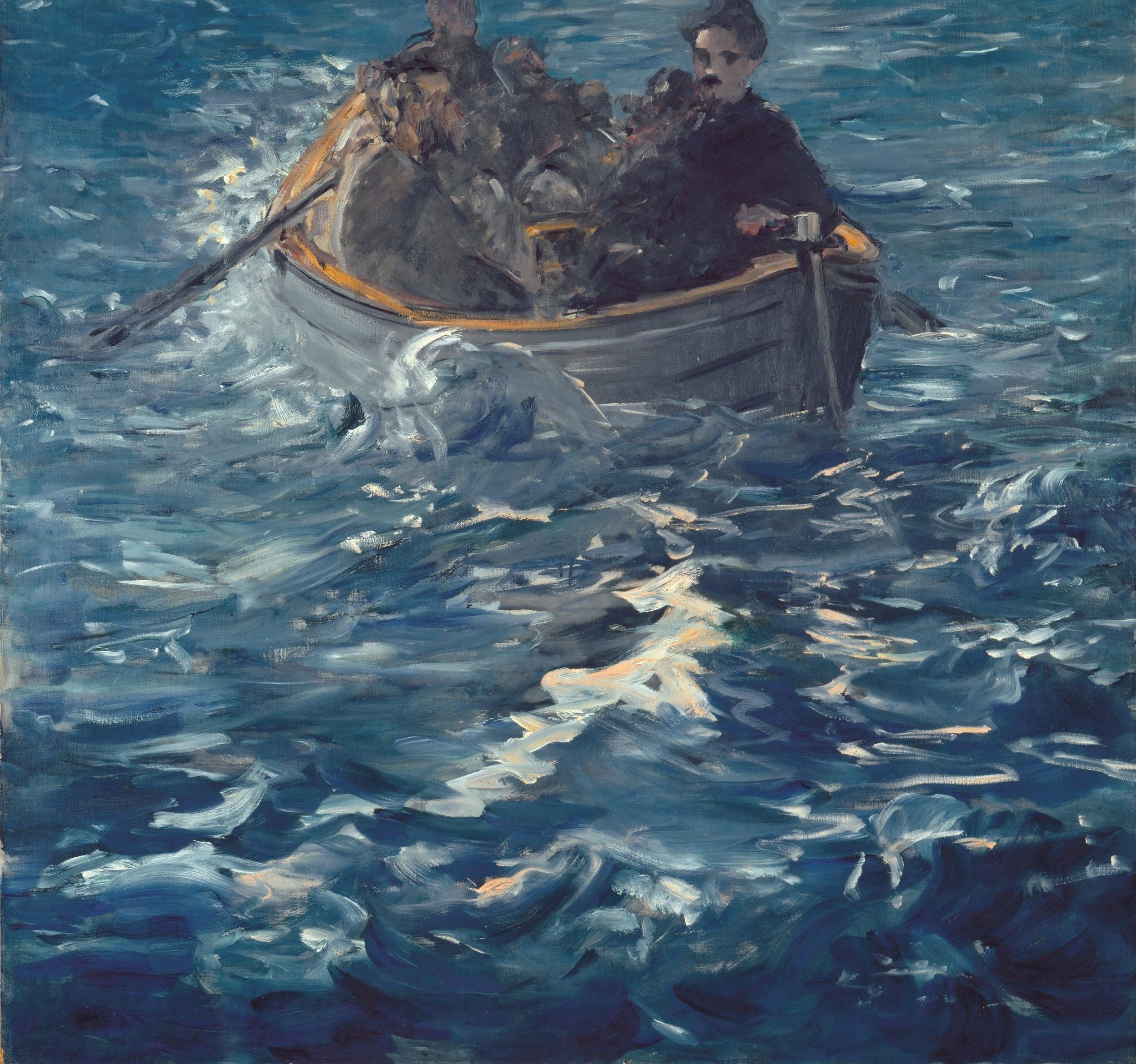
Manet's 'Rochefort's Escape,' painted around 1880-81, now at the Kunsthaus Zürich, tells a thrilling true story.
It depicts the daring 1874 flight of Victor Henri Rochefort, a prominent French journalist and political figure. Sentenced to penal exile in New Caledonia for his involvement in the Paris Commune, Rochefort managed a dramatic escape by sea.
Manet's decision to capture this recent, politically charged event was groundbreaking. At a time when 'history painting' typically depicted ancient or mythological scenes, Manet brought contemporary life and its immediate concerns to the canvas, reflecting a shift in artistic focus.
This work immortalizes not just a man, but a moment that resonated deeply with the public.
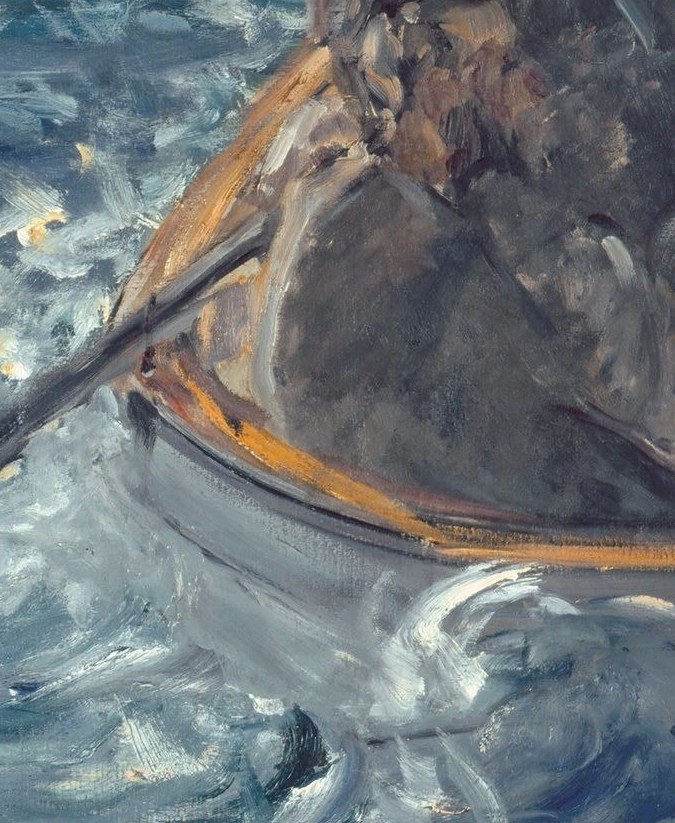
Details
Transcript
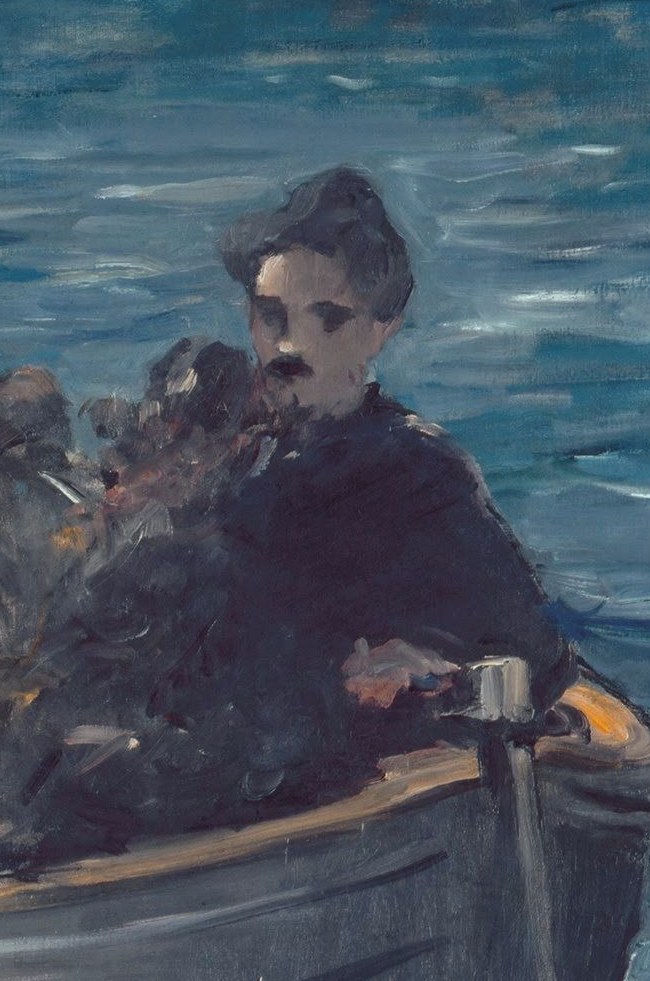
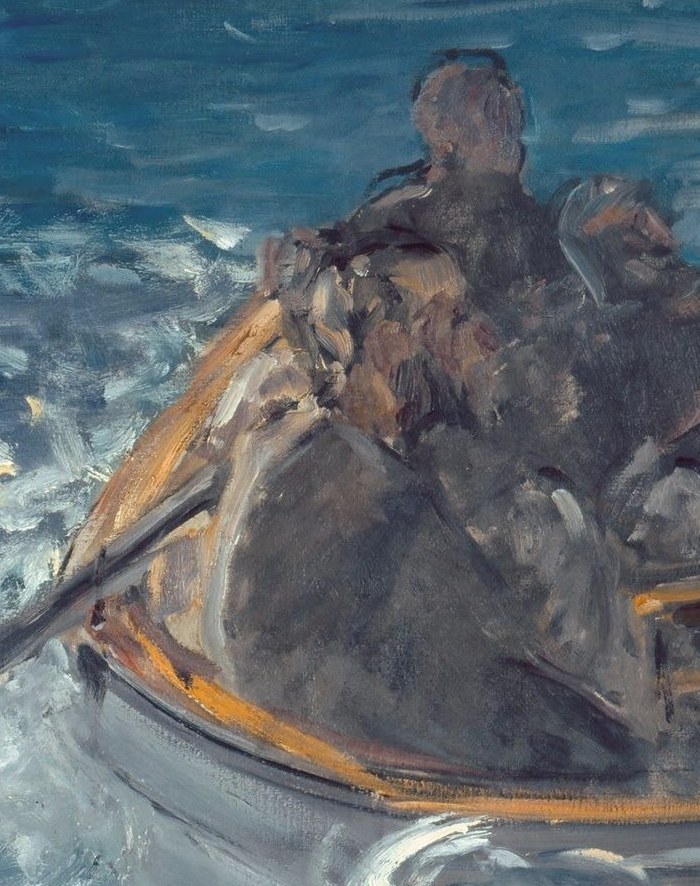
This painting captures a dramatic, true story of escape. It shows Victor Rochefort, a political prisoner, fleeing exile. Sentenced for his role in the Paris Commune, he was exiled to New Caledonia. His escape in 1874 was still vivid in public memory. The rower's blurred form conveys intense, urgent effort. Manet chose a contemporary event, breaking with tradition. It elevated a recent political event to grand art.