Montclair, New Jersey by George Inness
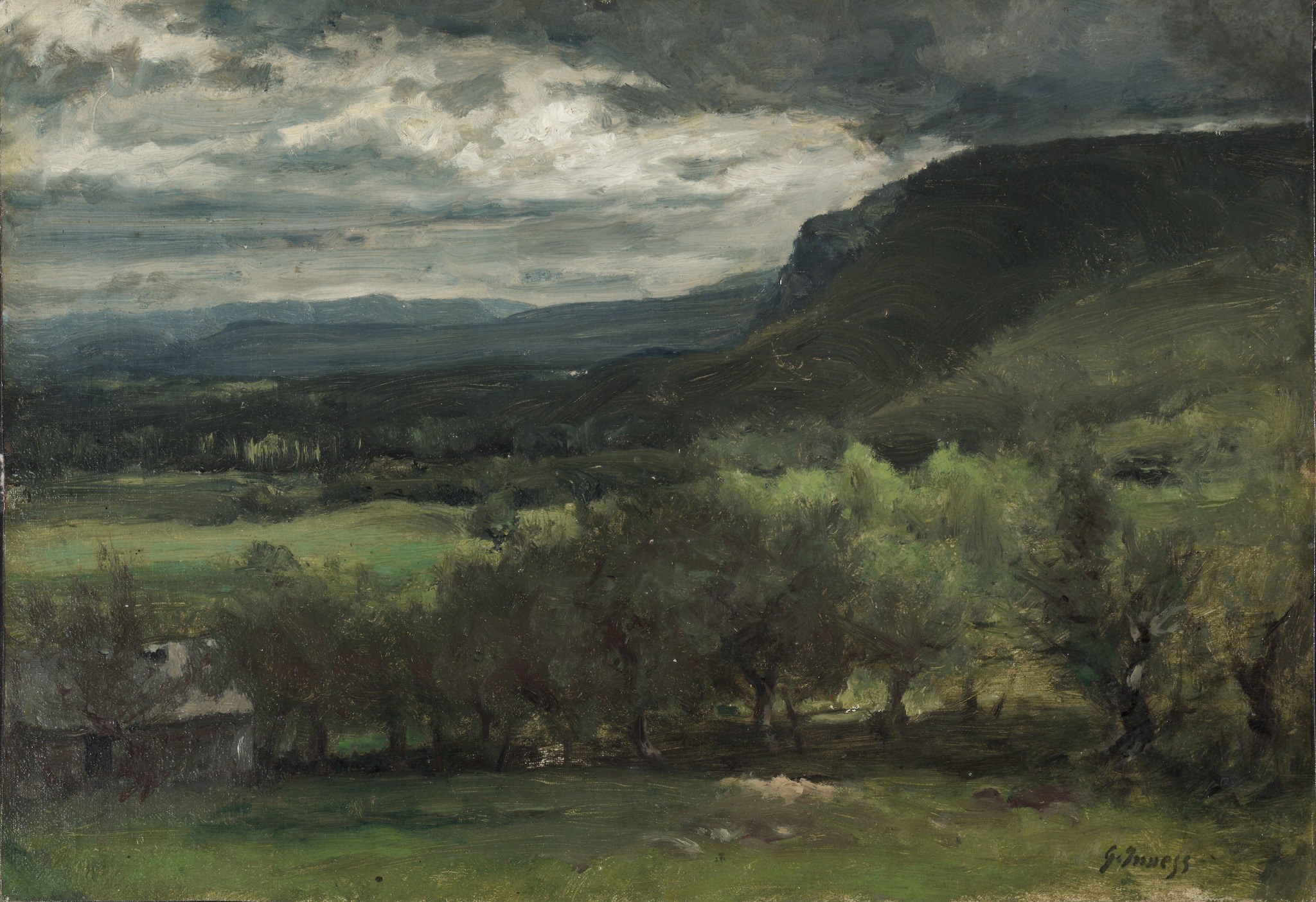
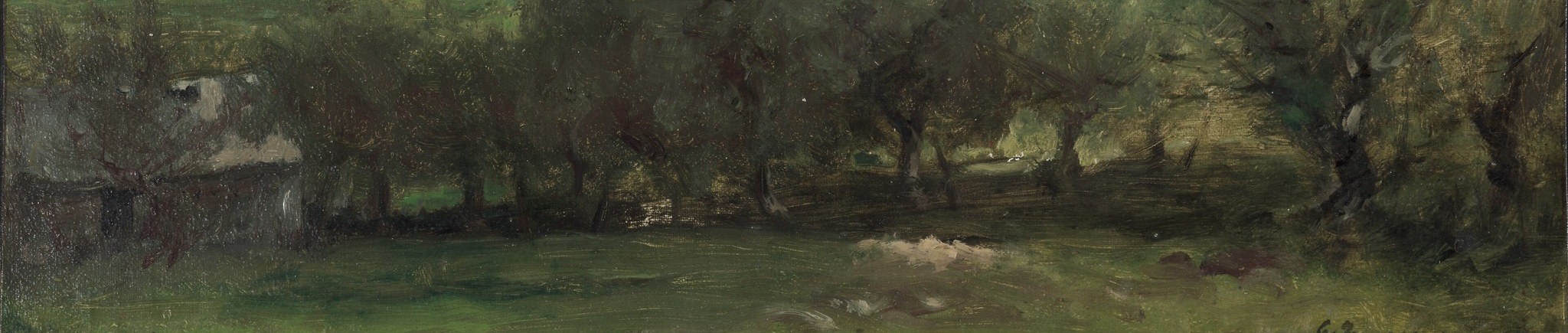
George Inness's "Montclair, New Jersey," painted in 1890, captures a moment of dramatic light and shadow in the American landscape. This oil painting, part of The Cleveland Museum of Art's collection, showcases his evolving style, blending realism with expressive qualities.
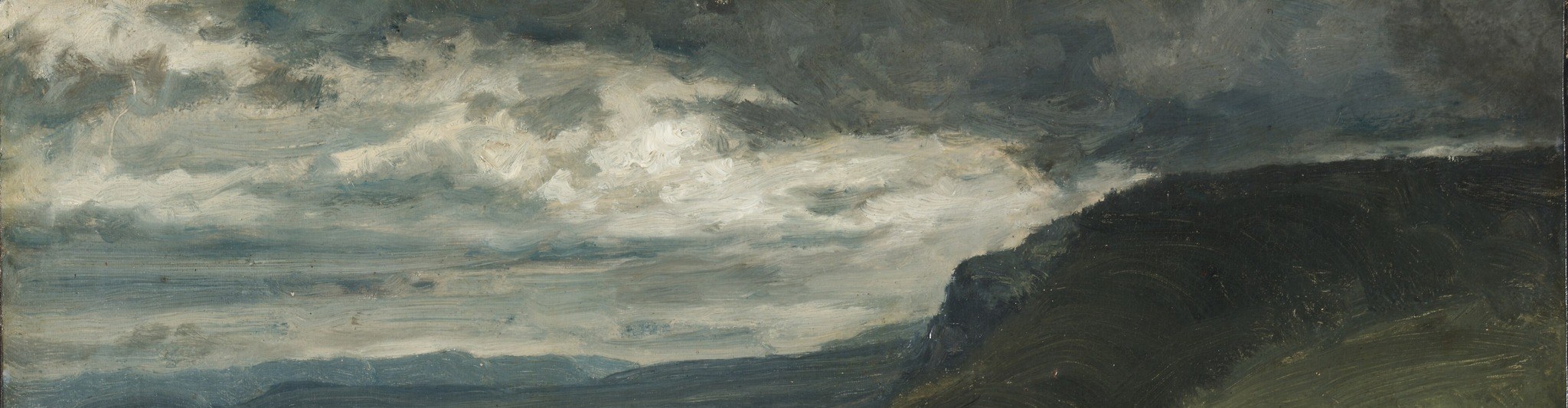
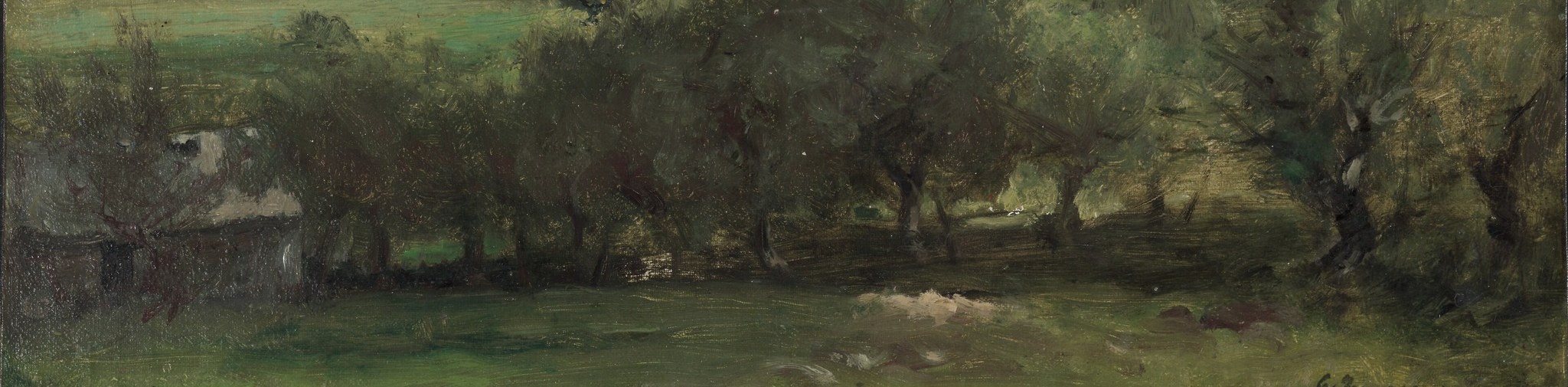
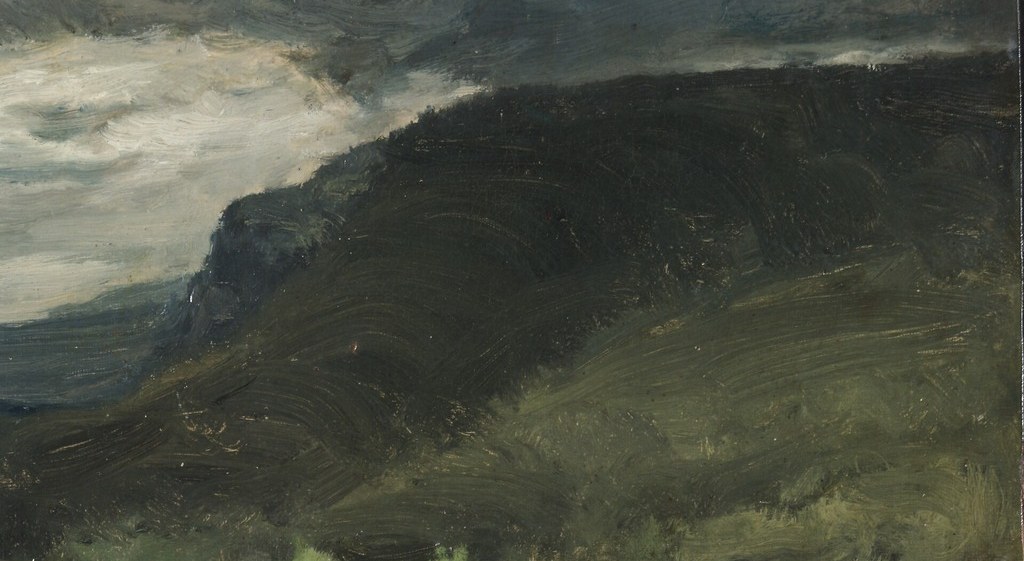
Look closely at how Inness manipulates light breaking through the stormy clouds, illuminating distant fields while leaving much of the foreground in dramatic shadow. The gnarled trees stand as silent witnesses to this interplay of natural forces.
Inness, an influential American landscape painter, moved from the detailed Hudson River School style to a more expressive approach in his later career. He incorporated European artistic ideas and even spiritual philosophy into his work, aiming to convey emotional depth rather than mere depiction.
This painting is a beautiful example of how Inness used the physical world to evoke deeper feelings and atmosphere, inviting contemplation of nature's subtle power.
Details
Transcript
This is Montclair, New Jersey, in the late 1800s. The heavy clouds hint at a storm, or a recent one. Yet, light breaks through onto the distant fields. The artist, George Inness, sought emotional depth in landscapes. He became known for combining earthly and ethereal elements. Here, light and shadow create a complex, contemplative mood.