Titus, the Artist's Son by Rembrandt
Rembrandt's *Titus, the Artist's Son* (1660), housed at The Metropolitan Museum of Art, showcases the artist's unparalleled mastery of light and shadow, a technique known as chiaroscuro.
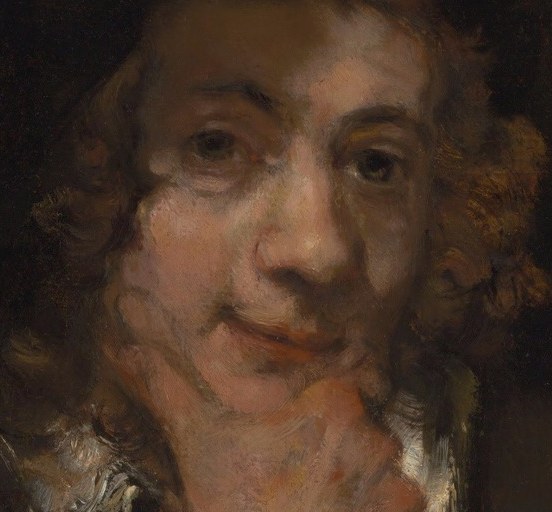
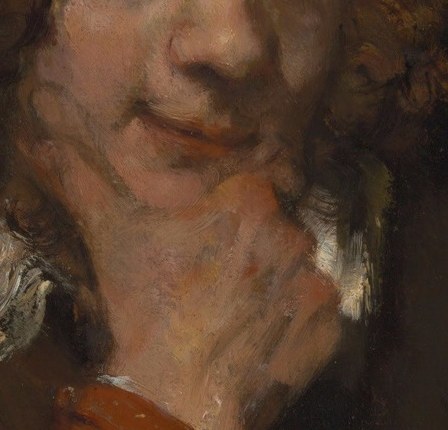
Observe how the painter uses light to sculpt Titus's features, making his face emerge from the deep shadows. The subtle highlight in his left eye and the textured brushstrokes on his skin bring a remarkable sense of life and presence to the portrait.
Rembrandt, a leading figure of the Dutch Golden Age, was celebrated for his ability to capture the inner character of his subjects. This work, depicting his son, exemplifies his later style, where bold brushwork and dramatic lighting create profound psychological depth.
This painting isn't just a portrait; it's a masterclass in how light can transform a canvas.
Details
Transcript
This painter was a master of light and shadow. Notice how the light falls on his face, creating depth. His left eye catches a bright, single highlight. See the thick paint, creating textures on his skin. Even his hands are built up with layers of paint. This dramatic lighting technique is called chiaroscuro.