Landscapes in Various Styles after Old Masters by Mei Qing
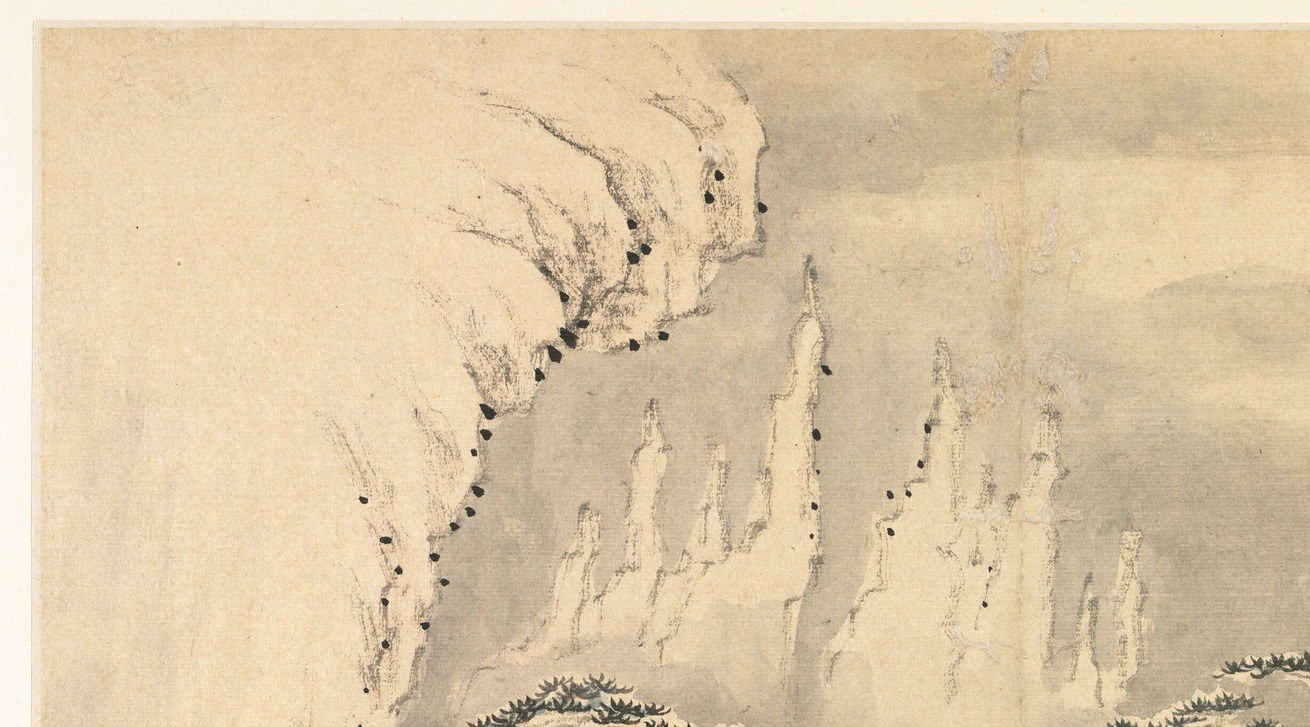
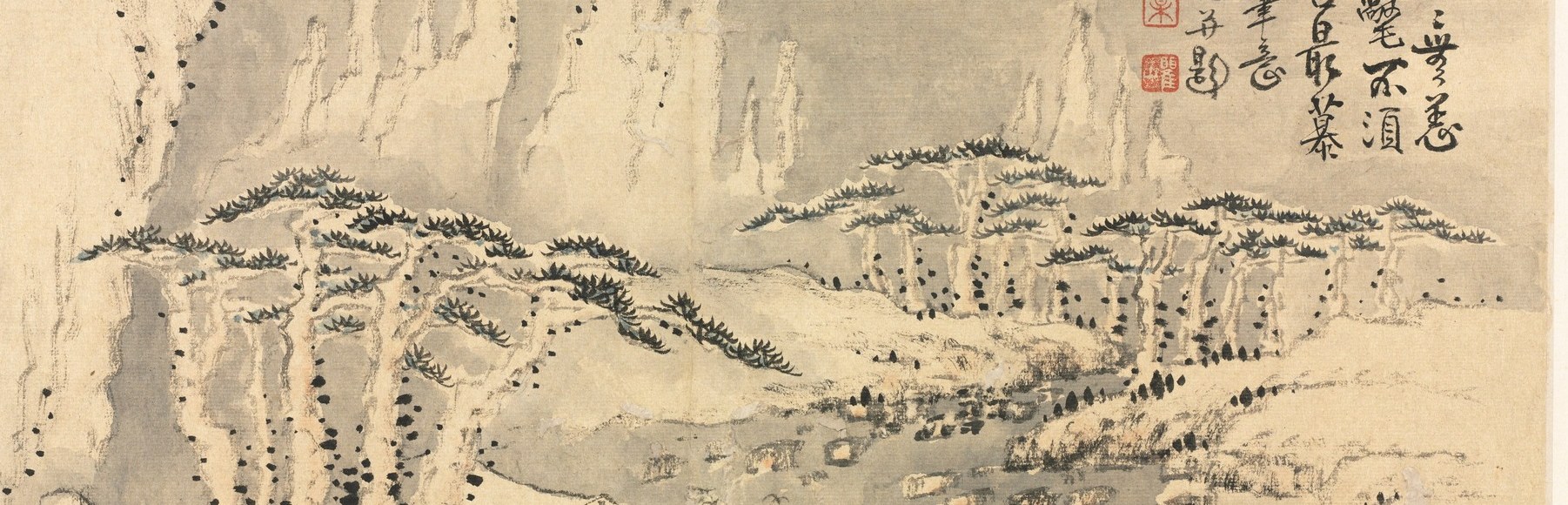
Completed in 1696, *Landscapes in Various Styles after Old Masters* by Mei Qing offers a captivating window into the Qing Dynasty.
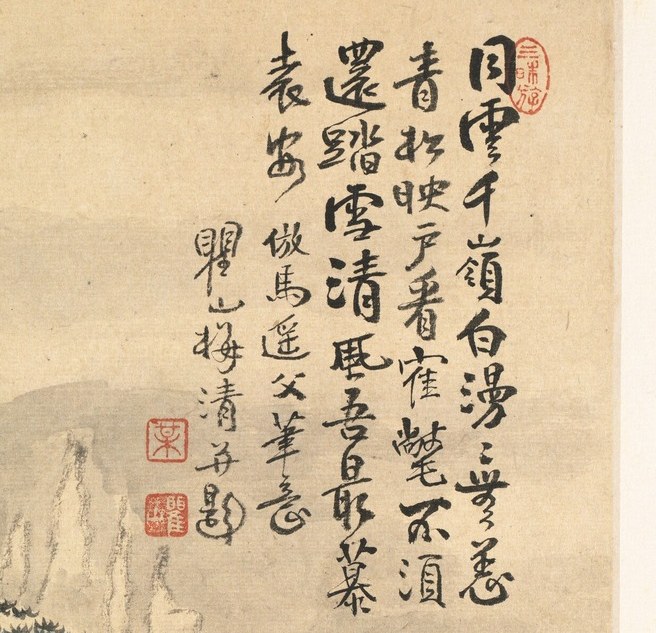
This painting, part of The Cleveland Museum of Art's collection, showcases Mei Qing's multifaceted talents as a painter, calligrapher, and poet. Notice the small, secluded hut and the solitary figure within, inviting contemplation of humanity's place in nature. The intricate calligraphy and red seals are not just decorative elements, but an integral part of the artwork, bearing the artist's personal touch and poetic expression.
Mei Qing, also known as Yuangong, was deeply influenced by his extensive travels, particularly to the Yellow Mountain. His work often blended these personal observations with established landscape traditions of his era, creating a distinctive style known for its subdued palette and loose brushwork. He trained under Wang Meng and was a close friend of Shitao, both influential figures in Chinese art history.
What details in this quiet scene draw your eye the most?
Details
Transcript
In 1696, this painter captured a quiet moment in nature. He was a prominent artist, poet, and calligrapher of the Qing Dynasty. His travels to Yellow Mountain inspired many of his landscapes. Here, a lone figure finds solitude in a simple hut. These red seals are the artist's marks, authenticating his work. A serene landscape, blending personal experience with tradition.