Lola Montez (1818–1861) by http://www.wikidata.org/.well-known/genid/ab4a8a22852ab09e9bbcd8f278e74cda
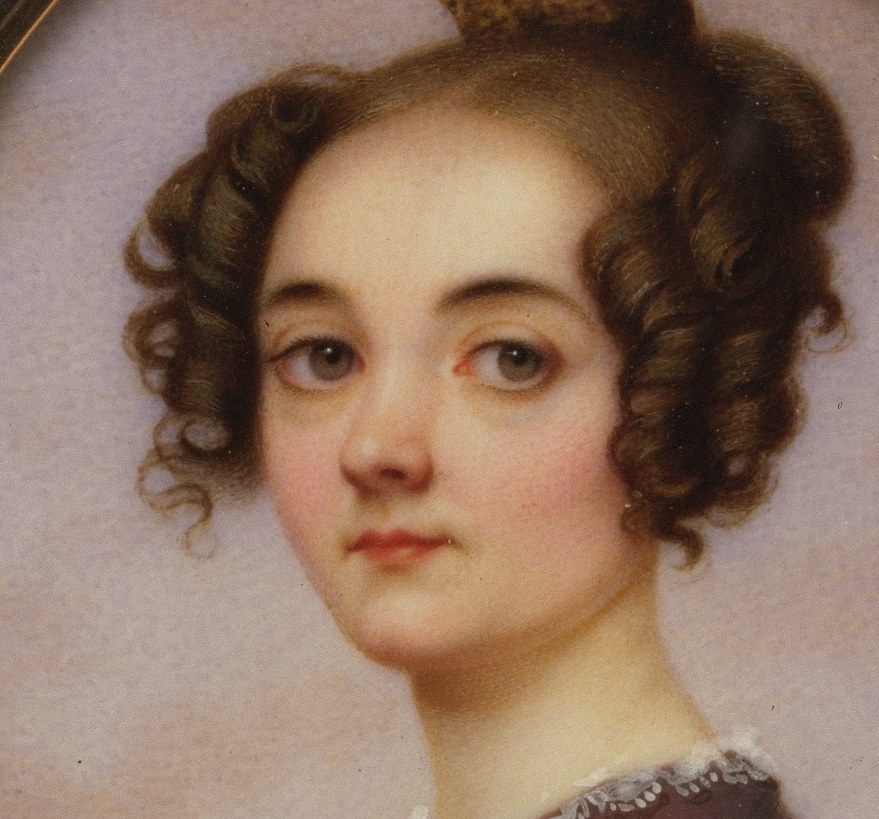
This striking portrait of Lola Montez, painted on ivory, offers a unique perspective on the famous courtesan. While Lola Montez (1818-1861) was a frequent subject for artists during her lifetime, this particular work by Heigel, created around 1900, stands out for its delicate medium and refined technique.
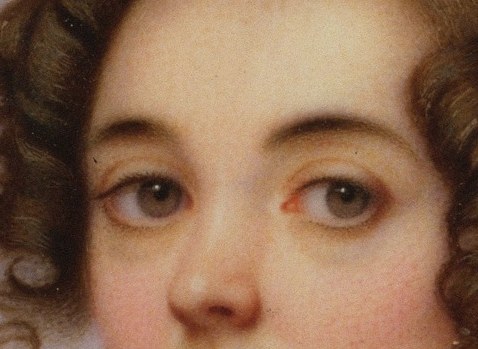
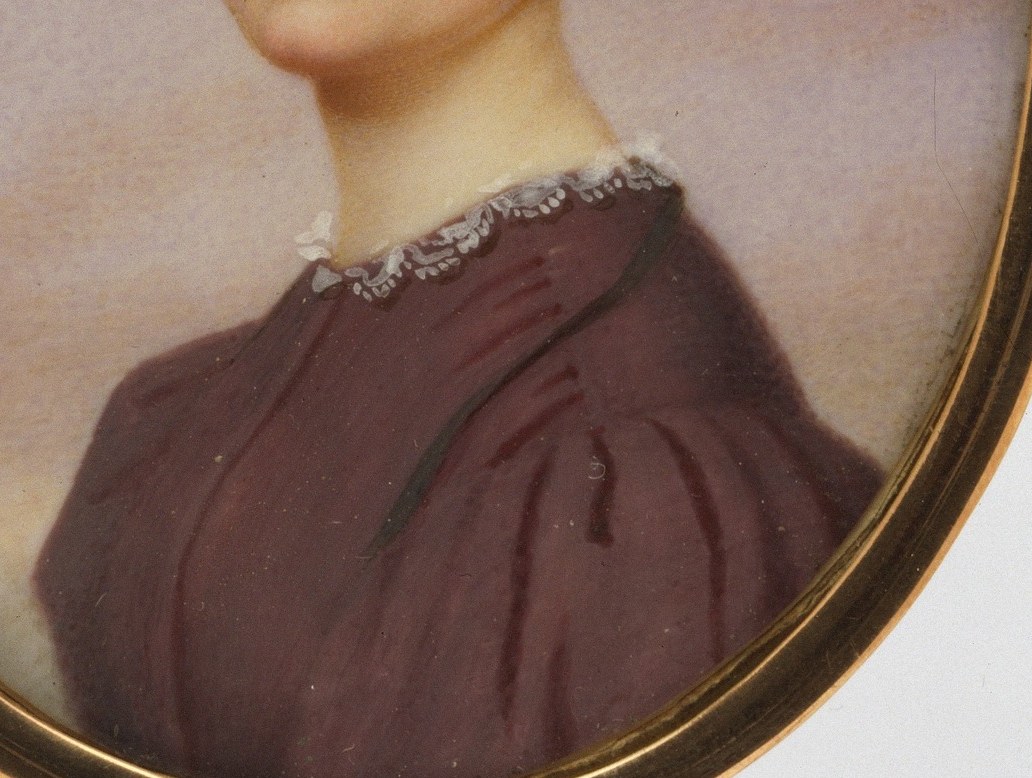
The artist's choice of ivory, rather than the more common canvas, lends the portrait a subtle glow and an almost translucent quality. Observe the soft transitions in her face and the intricate detail of her lace collar, which highlight the painter's skill in this less conventional medium. Her direct gaze and composed expression draw the viewer in, revealing a sense of inner strength.
Lola Montez was an Irish-born dancer and courtesan who gained notoriety across Europe for her beauty and scandalous affairs, most famously with King Ludwig I of Bavaria. This portrait, created decades after her death, reflects a continued fascination with her captivating persona. It's a testament to her enduring legacy that artists continued to interpret her image long after she was gone.
What do you think the use of ivory adds to this portrait compared to a traditional oil painting?
Details
Transcript
This portrait of Lola Montez looks a bit different. The artist used ivory, a rare choice for portraits. This delicate medium created soft transitions and blended edges. Look closely at her lace collar, it is finely rendered. Her direct gaze and composed expression are striking here. And here, in the upper right, is the painter's name.