The Death of the Virgin by Juan Correa de Vivar
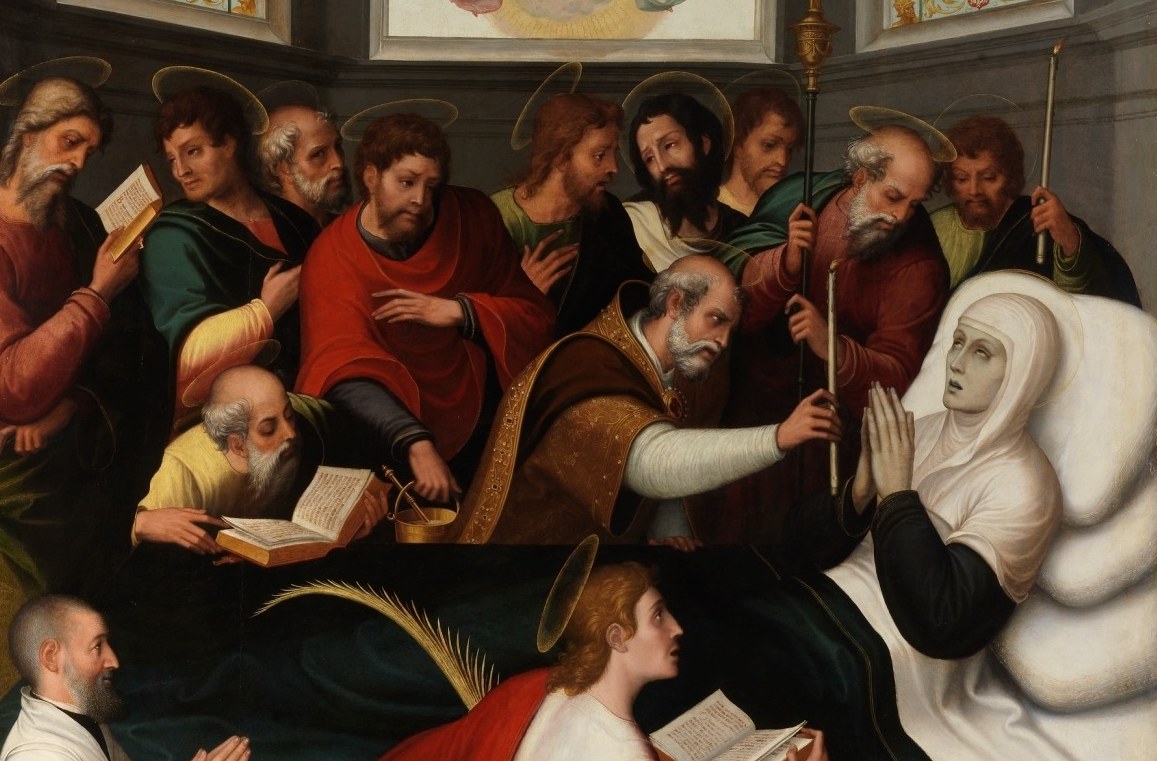
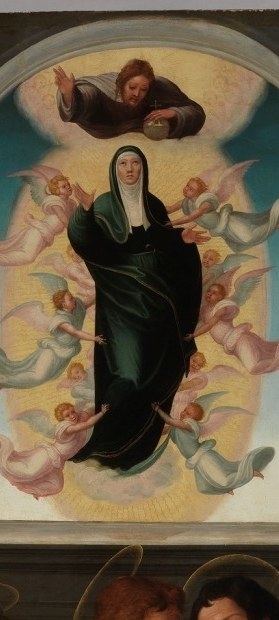
Juan Correa de Vivar's "The Death of the Virgin," painted in 1546, is a deeply moving depiction of a pivotal moment in Christian faith, now housed at the Museo del Prado. It's a scene of serene acceptance, but hidden within are small details that enrich its meaning.
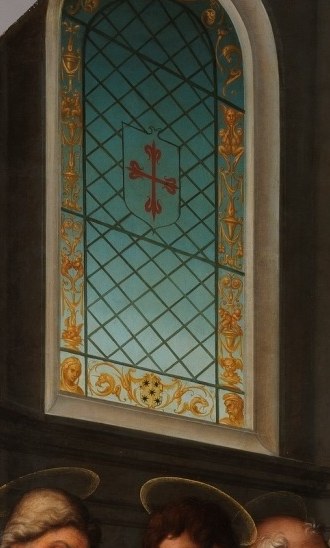
Notice the small plate of fruit on the table beside the Virgin. In art, fruit often symbolizes earthly life and its transience, adding a poignant layer to this moment of spiritual transition. The glowing cross in the stained-glass window further emphasizes her unwavering faith.
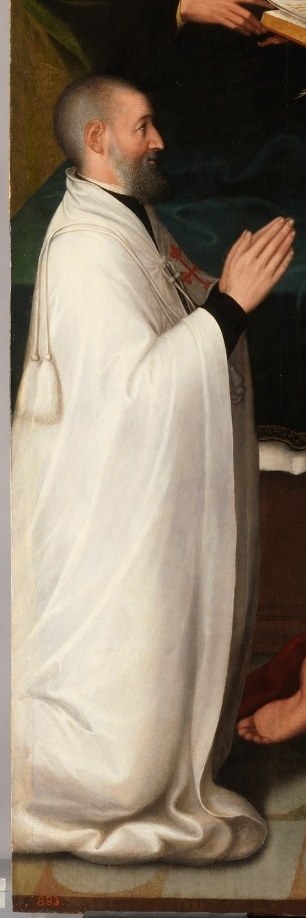
This work reflects the Counter-Reformation's focus on pious devotion. It's believed the figure of the monk praying is from the Order of Calatrava, tying the divine narrative to the earthly church. Correa de Vivar masterfully blends narrative clarity with rich symbolism, typical of the Spanish Renaissance.
The painting invites us to look beyond the obvious and discover the deeper layers of meaning woven into its fabric. What other details do you notice?
Details
Transcript
This 1546 painting shows the Virgin Mary's final moments. A calm, spiritual scene, witnessed by her apostles. But look closely at the fruit on the table. Its presence symbolizes earthly life, now fading. And in the window, a glowing cross, for her faith. Even a monk from the Order of Calatrava is here to pray. His quiet devotion echoes the painting's purpose.