Charlotte Morton Dexter (Mrs. Andrew Dexter) by Stuart, Gilbert
Gilbert Stuart’s portrait of Charlotte Morton Dexter is a masterclass in controlled contrast. Painted around 1808 and now in the Worcester Art Museum, the work seems to have stayed in the artist’s studio for nearly two decades, possibly not reaching completion until 1825. That long span is unusual, and it raises the possibility that Stuart returned to the canvas over many years, which makes the freshness of the paint surface even more remarkable.
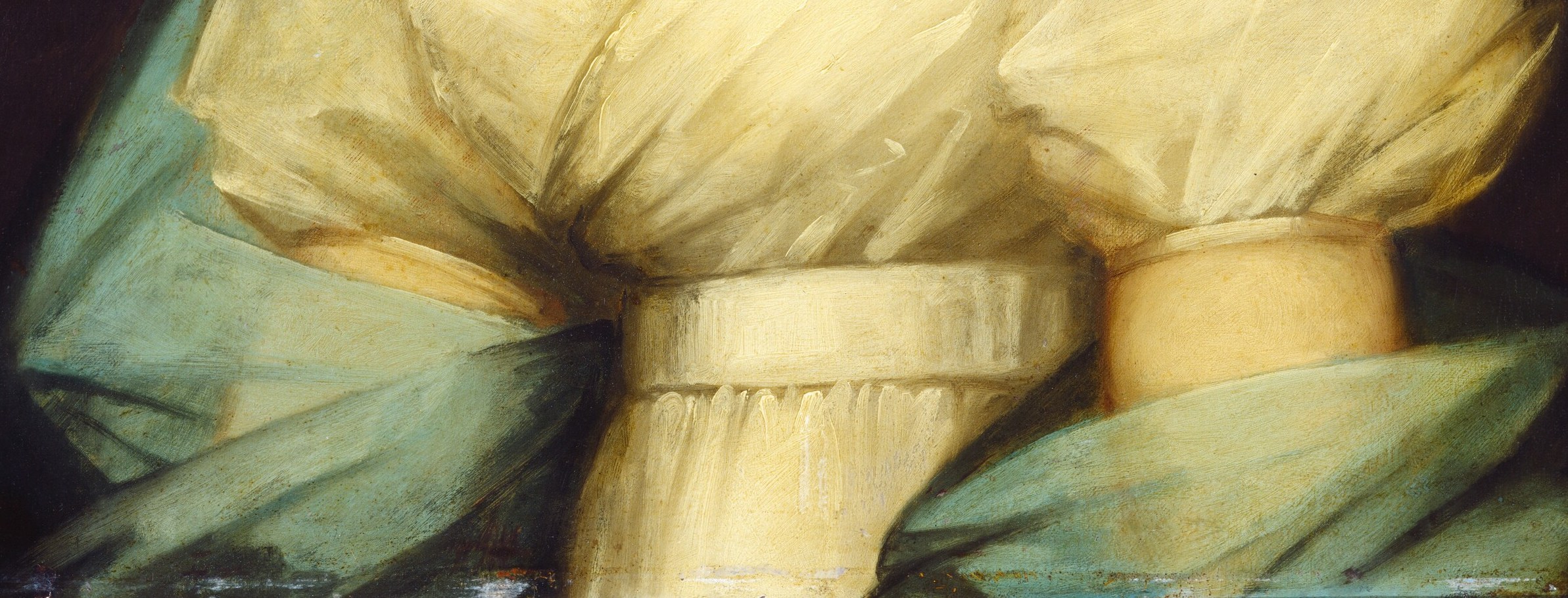
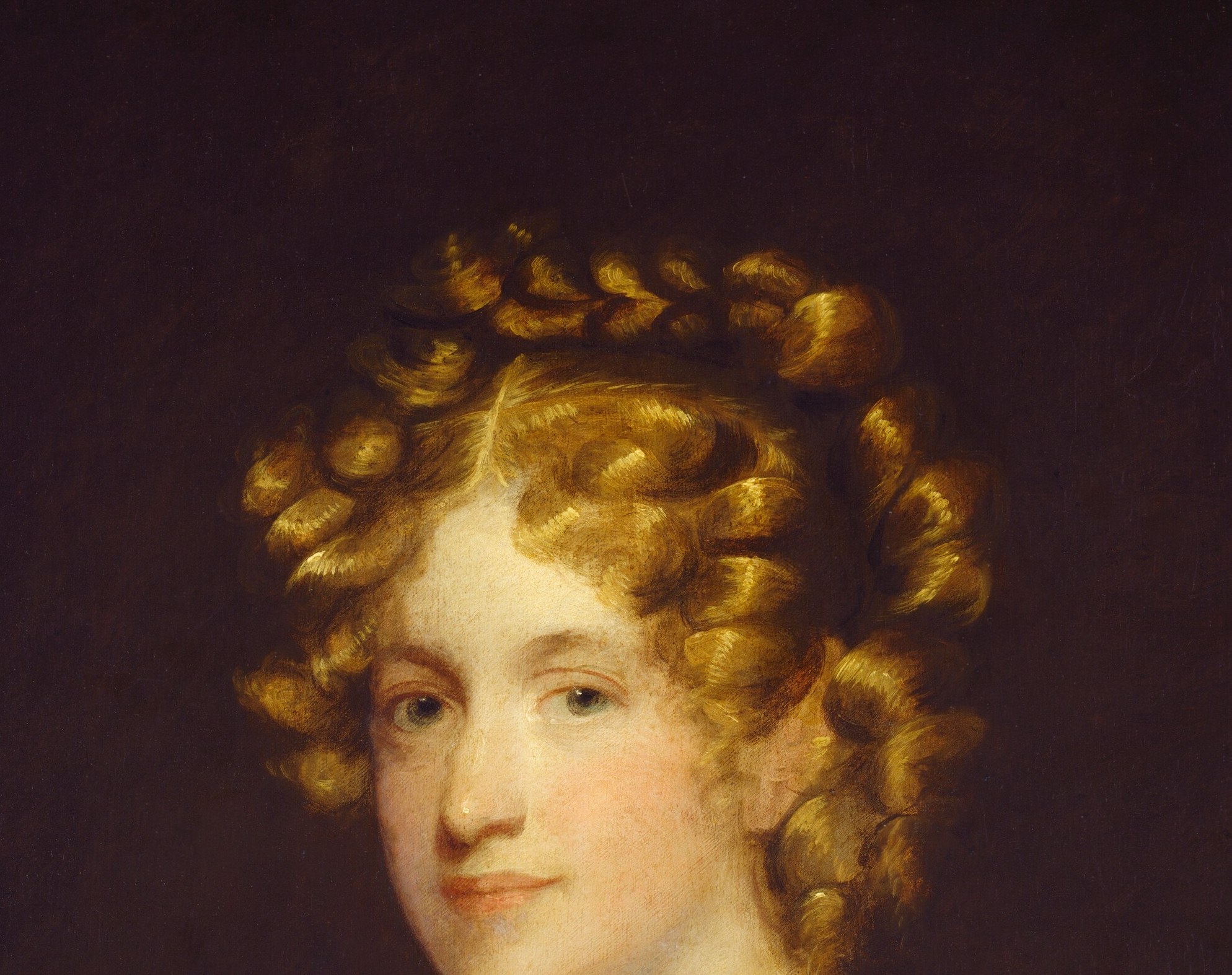
Stuart splits his technique right down the middle of the composition. The cream satin gown is built from broad, almost casual strokes that hold together as luminous fabric only at a distance. Move your eye upward and the language changes completely: the face is a tight fusion of warm flesh tones, with the sitter’s dark eyes carrying a composed and present intelligence. The shift from loose to tight is the virtuoso move here, and it makes the face feel more alive than the dress it rises from.
The single most telling passage, though, is a small one. Across Charlotte’s collarbone, Stuart laid a thin corridor of cool highlight. That one restrained stroke creates the illusion of light moving just beneath the skin. In a painting full of confident choices, that is the most naked demonstration of his gift: a single brushmark that delivers warmth, structure and a living pulse.
Details


Transcript
Look closely at the white satin dress. Up close, it dissolves into loose, fluid brushstrokes. Now look at her face. The skin is tightly blended, smooth as porcelain. Stuart began this portrait around 1808. It may not have been finished for another seventeen years. But the real trick is here, on the collarbone. A single cool stroke of paint makes you see warm light moving under the skin.