The Rape of Europa by Nikolaas Verkolje
Nikolaas Verkolje's 1737 painting, "The Rape of Europa," at the Rijksmuseum, offers a remarkably tranquil interpretation of a traditionally violent myth.
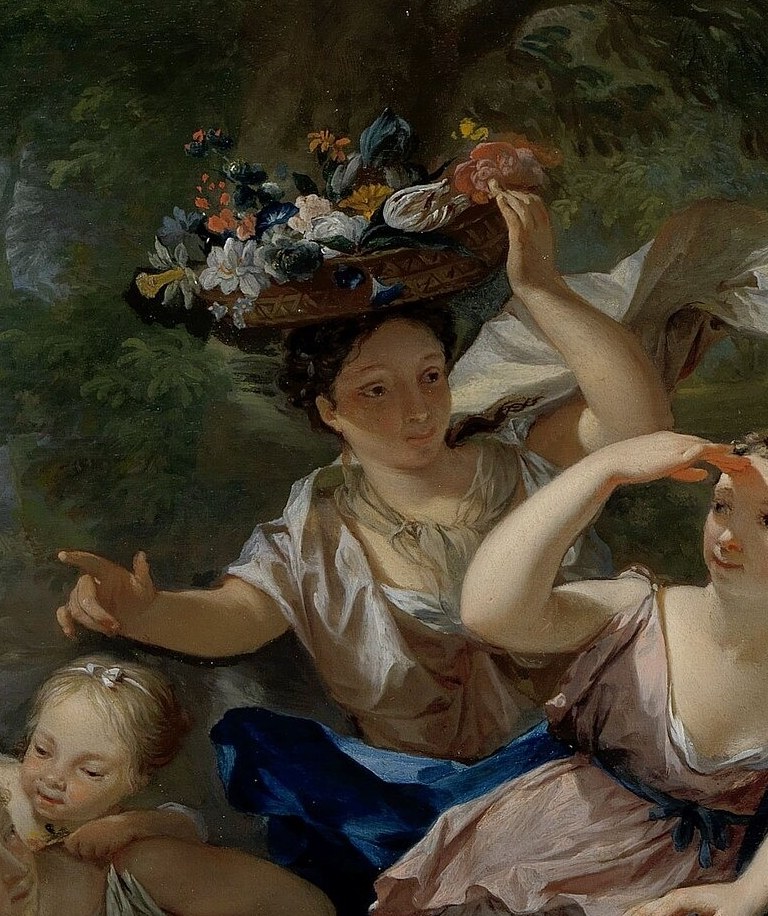
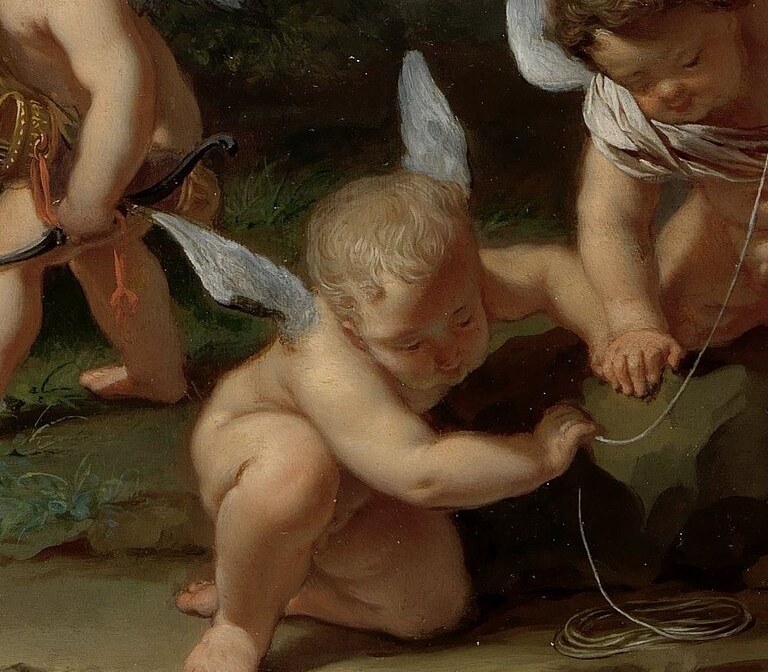
Here, Europa sits serenely on the back of Zeus, disguised as a bull. Rather than fear, her expression suggests enchantment or even consent. The bull himself is gentle, adorned with floral garlands, and the surrounding figures, including playful cherubs, seem to celebrate rather than lament the event.
Verkolje, an 18th-century Dutch painter, often depicted historical and mythological scenes. This work is an excellent example of his smooth brushwork and subtle use of light, which create a serene and refined atmosphere. The painting joined the Rijksmuseum's collection as part of their effort to represent Dutch Baroque artistry.
This reinterpretation invites us to consider how stories evolve through art.
Details
Transcript
This myth describes a violent abduction, Zeus disguised as a bull. But this painter shows Europa calm, almost enchanted, upon the bull. Even the bull seems gentle, adorned with flowers, not menacing. Behind her, a cherub aims its bow, hinting at love, not force. Other figures are not struggling, but bringing flowers, celebrating. The painter emphasized consent and enchantment, not the myth's violence.