George Washington by Stuart, Gilbert
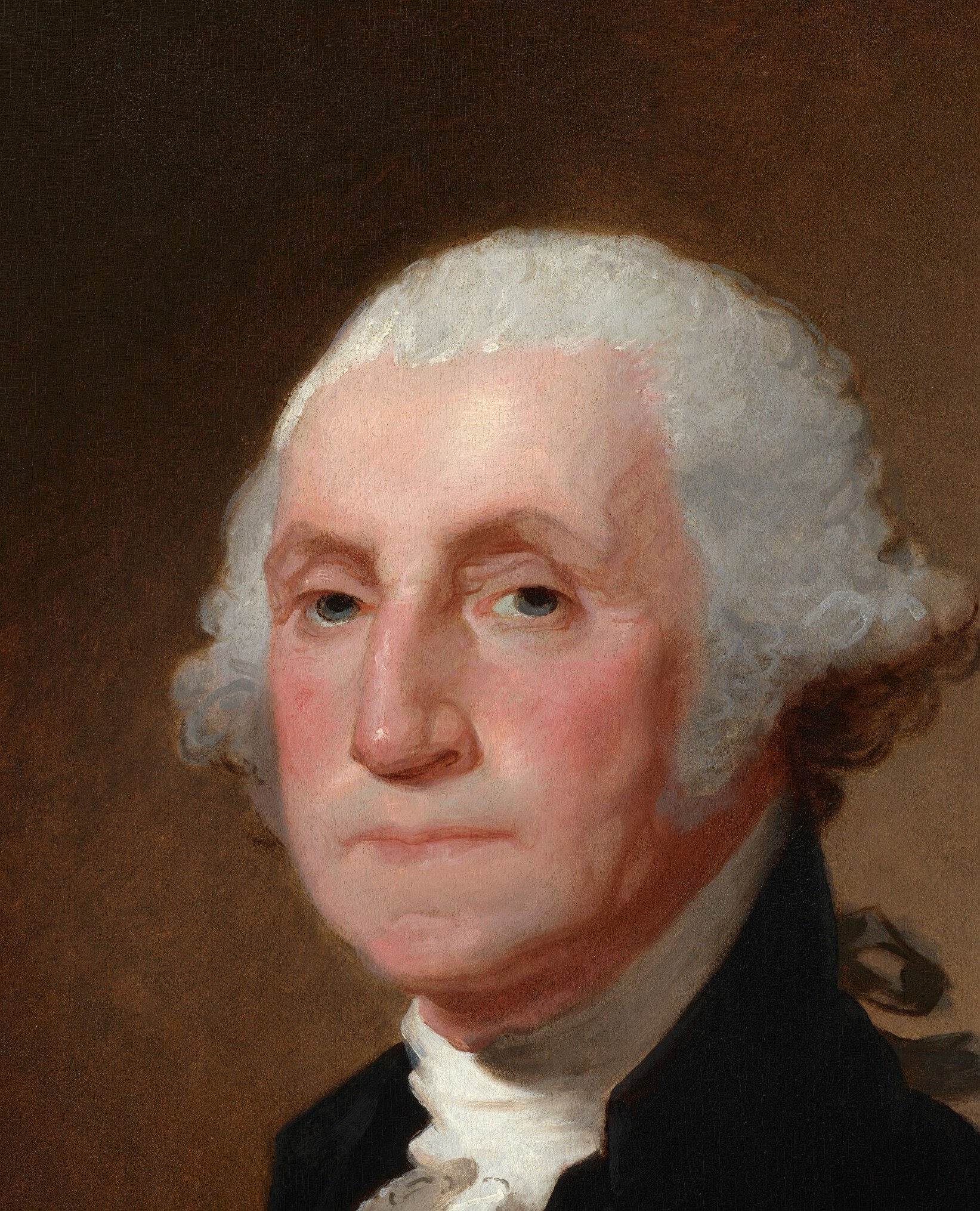
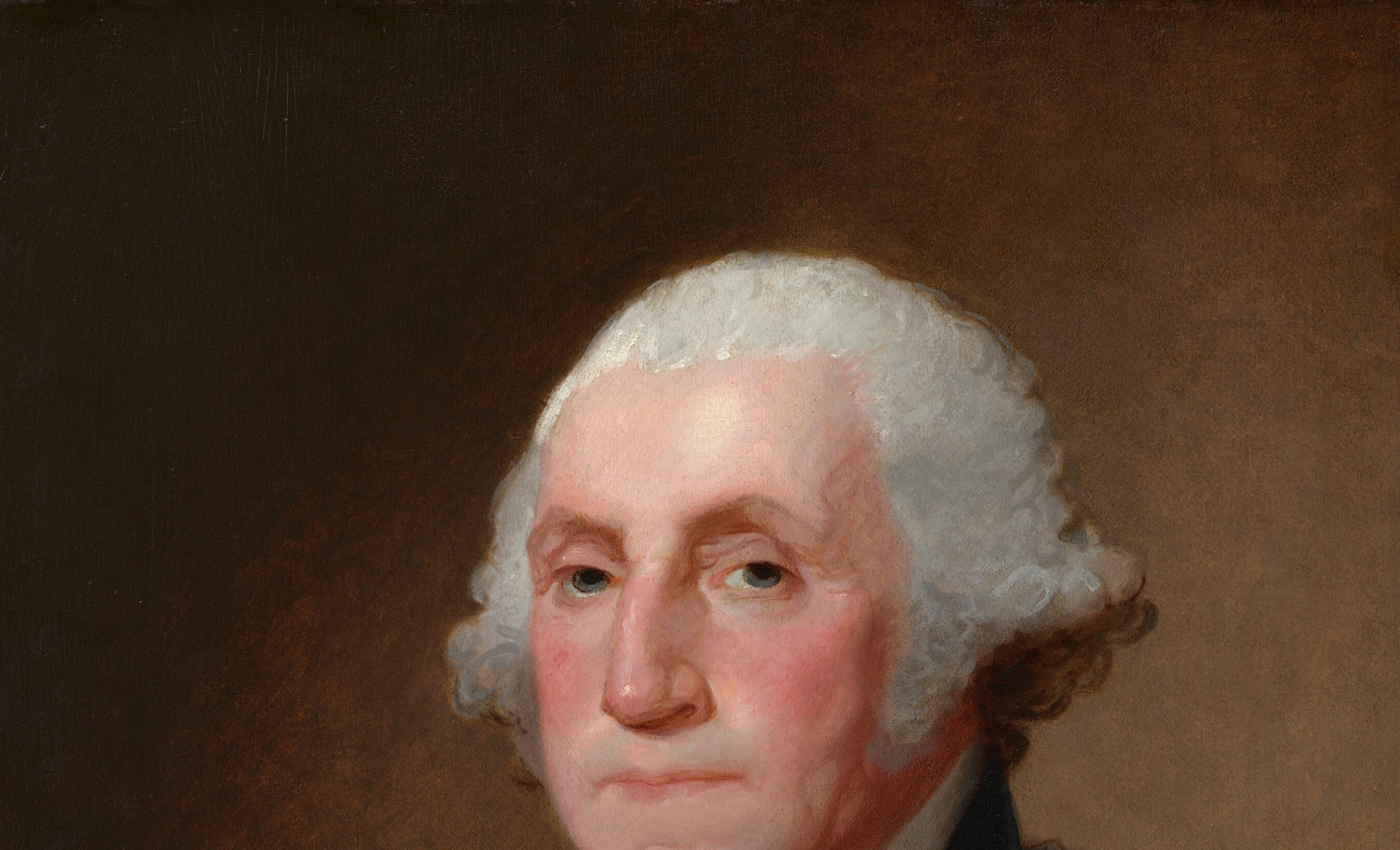
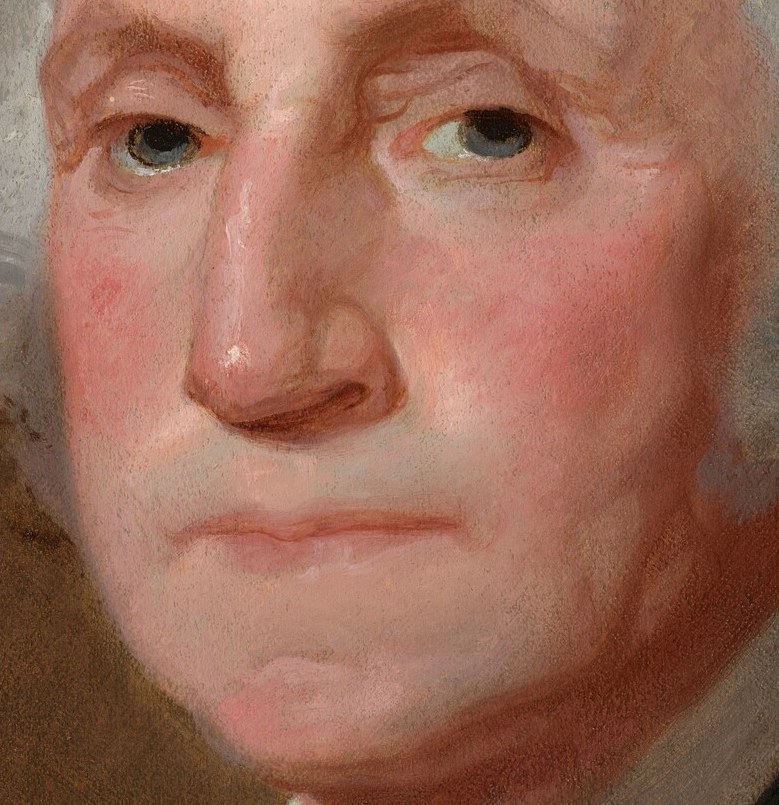
This is Gilbert Stuart's portrait of George Washington, painted around 1821 and now held at the Metropolitan Museum of Art. Washington had been dead for more than two decades when Stuart made this, but the likeness carries the weight of direct observation. Stuart had painted the first president from life years earlier, and the face here is widely considered the closest thing to a photograph of the man that survives.
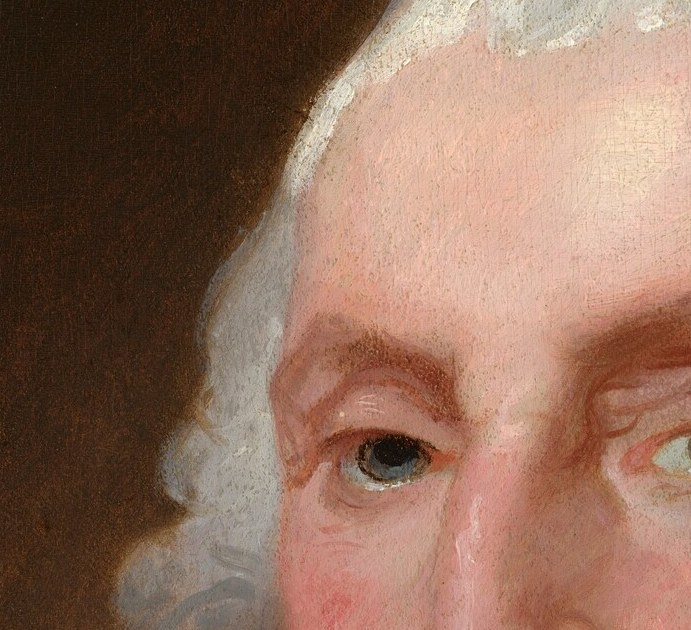
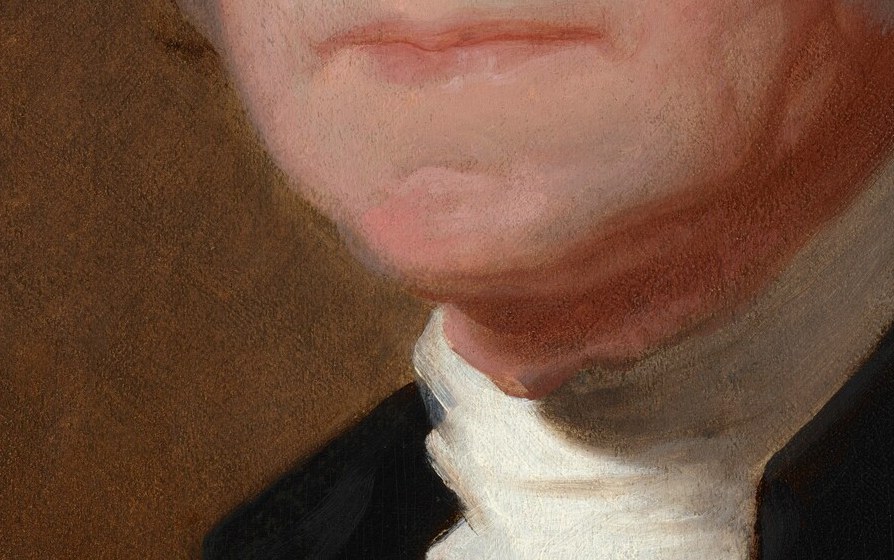
Look at the eyes first, cool, level, appraising. Diarists who met Washington recorded exactly that quality. Then look at the mouth. Washington's dentures were notoriously uncomfortable and distorted his lower face, so Stuart painted the lips pressed firmly shut. That compressed expression is what eventually landed on the US one-dollar bill.
The powdered wig is a deliberate choice. By 1821 it was decades out of fashion. Stuart kept it to fix Washington in the Founding generation, a monument rather than a mortal. The black civilian coat, with no medals or military orders, makes the same argument in fabric: this is the republican statesman, not the general.
Stuart was a sharp businessman. He left the backgrounds of his Washington portraits deliberately sketchy, sitters who wanted a 'finished' version had to keep coming back and paying for more sessions. The face, though, he always completed with care.
Details
Transcript
By 1821, George Washington had been dead for over twenty years. But this painter had studied him in person long before. The powdered wig anchors him in the Founding generation. His eyes are cool and appraising. Contemporaries wrote that down. The tightly pressed lips hide ill-fitting dentures. This very expression became the face on the dollar bill.