The Skater (Portrait of William Grant) by Stuart, Gilbert
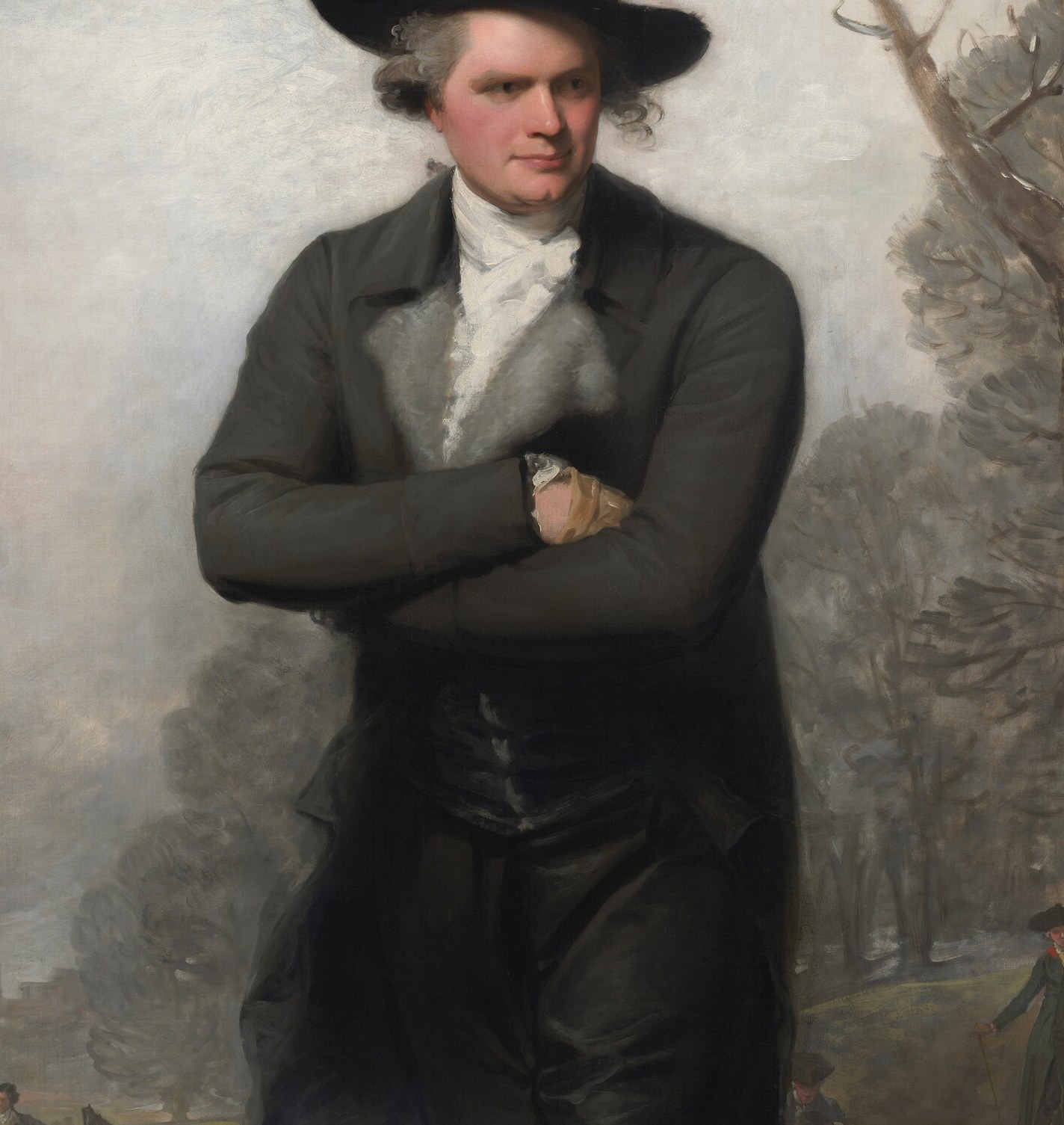
Gilbert Stuart painted The Skater in London in 1782, and it made his career. The American artist was 27, unknown, and competing in the most crowded portrait market in the world. He needed a painting that would stop people walking through the Royal Academy in their tracks. So he put a Scottish lawyer on ice and painted him gliding.
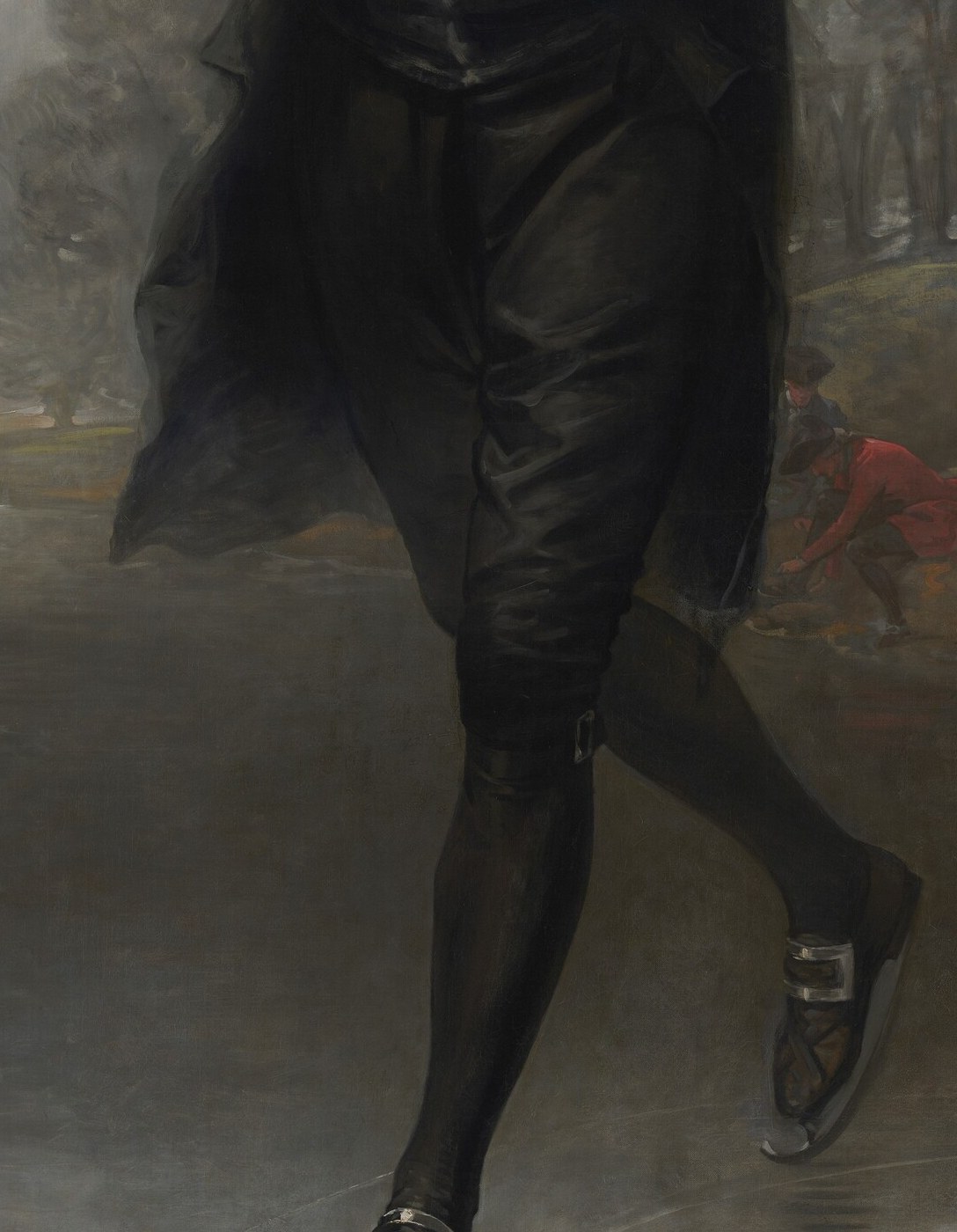
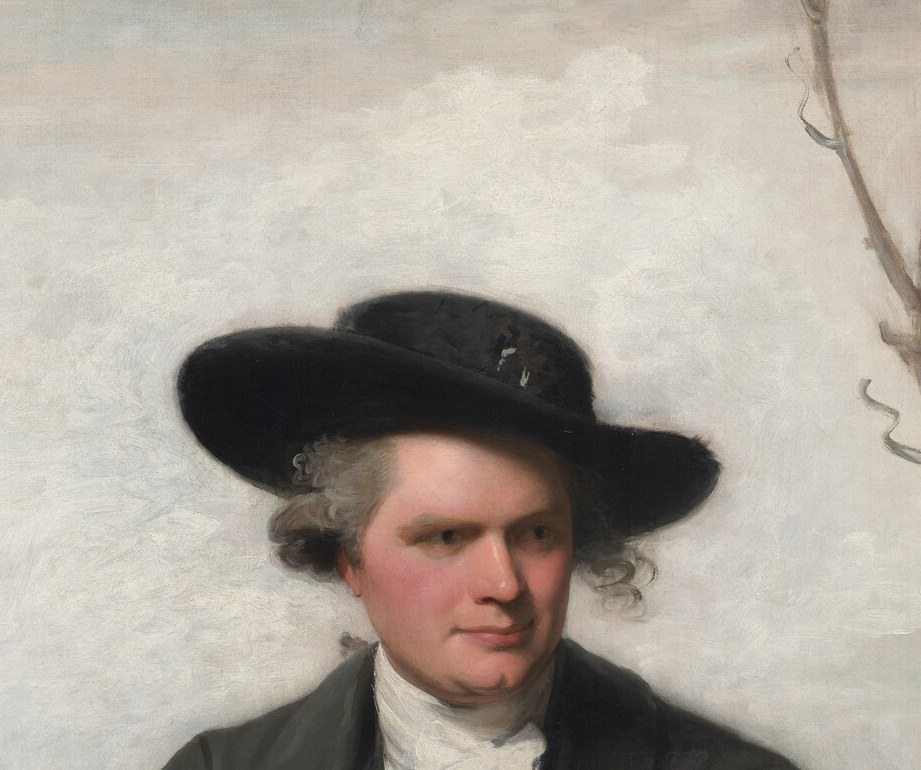
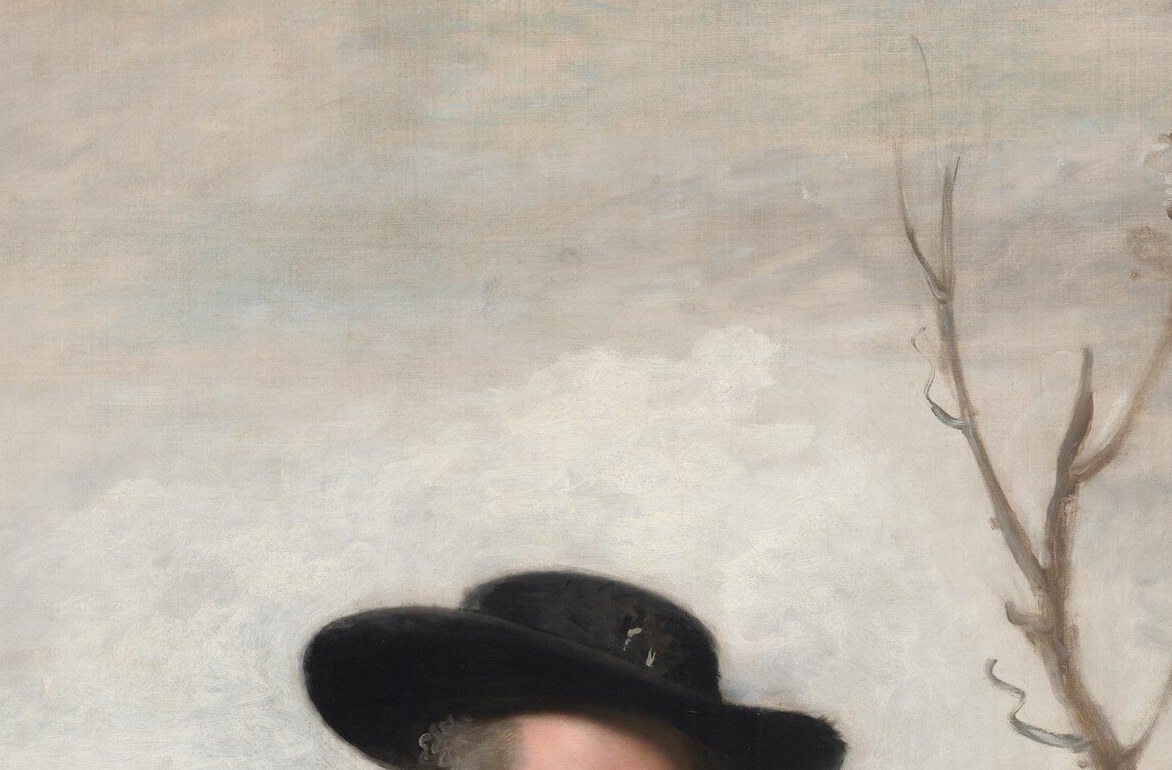
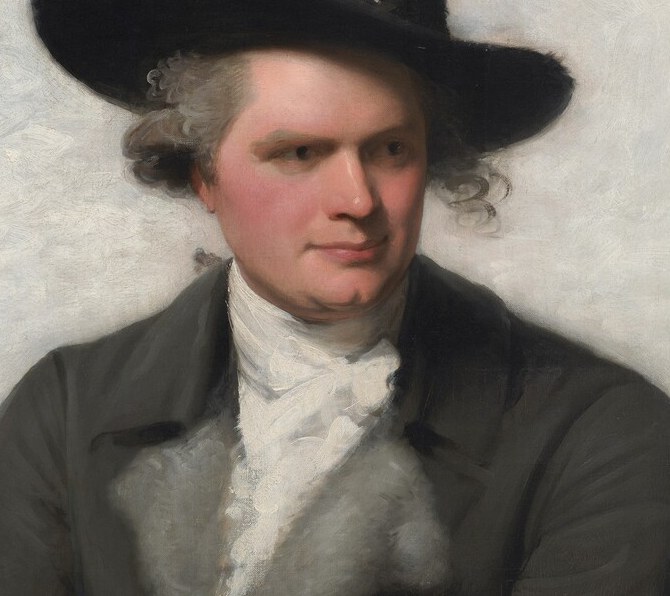
No one had posed a formal sitter like this before. William Grant crosses his legs in mid-stride, hands folded easily at his waist, his beaver hat tilted at exactly the angle of a man who knows he looks good. Behind him the frozen Serpentine stretches to a pale horizon, dotted with tiny background skaters. Stuart balances the dark mass of Grant's wool coat against that luminous ice plane, and the whole composition holds its breath in the space between motion and stillness.
The backstory is almost too good. Grant had arrived for his sitting and complained about the cold. Stuart, who loved skating, suggested they go out on the ice instead. Grant agreed. At some point during the outing Grant fell through. The session that followed produced this portrait, and Stuart suddenly had commissions from the peers he had spent years trying to reach. He would go on to paint the first five American presidents, but The Skater remains the painting that opened the door.
What do you notice first, the face or the feet?
Details
Transcript
In 1782, a formal portrait meant standing still. This man crossed his legs mid-glide and changed everything. The pose was so radical it caused a sensation at the Royal Academy. Look at his face. Not a trace of exertion, only ease. An American painter in London had just announced himself.