Auvers (Washerwomen) by Daubigny, Charles-François
Charles-François Daubigny painted *Auvers (Washerwomen)* in 1861, and it landed him right in the middle of an art-world firestorm. Today it hangs quietly, but at the time this little oil-on-wood panel was seen as a provocation.
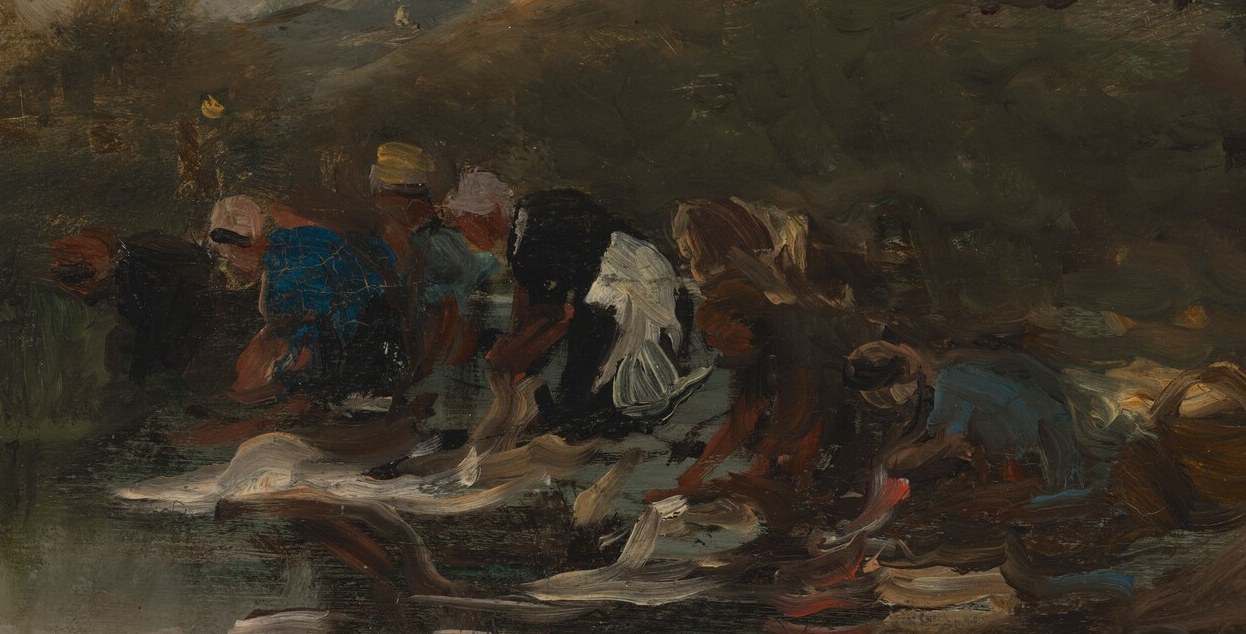
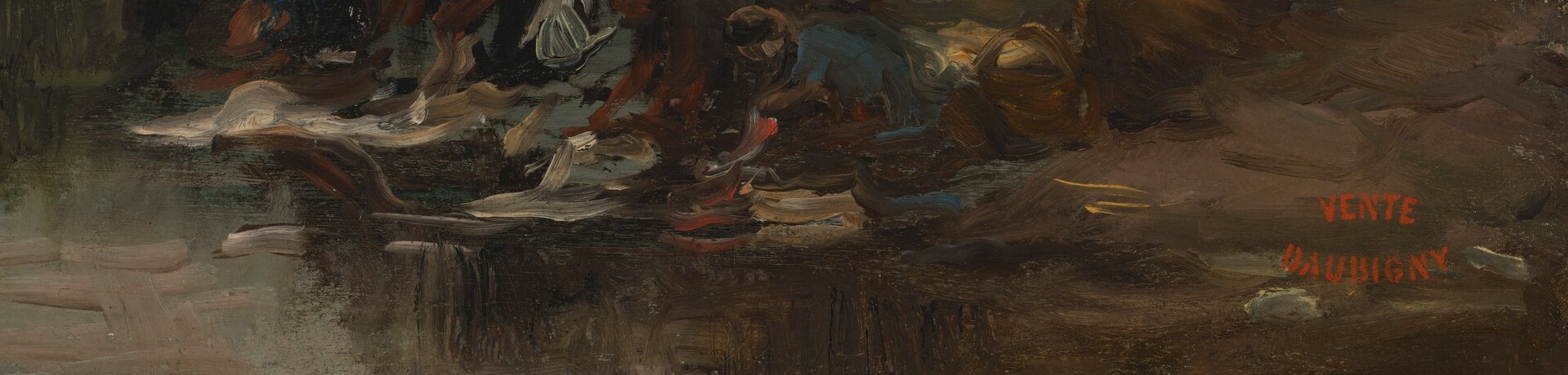
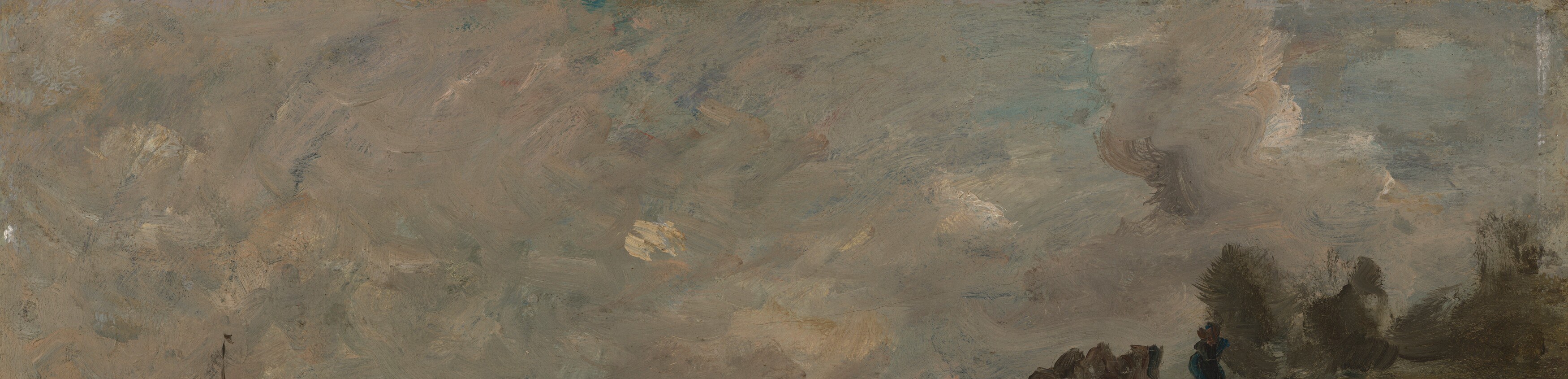
Look closely at the water in the foreground. Daubigny built it with brisk, visible brushstrokes and a silvery, muted palette that captures the movement of the river. Critics called this approach careless, a mere 'impression' of a scene rather than a finished painting. They found the etched-like looseness everywhere, from the cloudy sky to the women washing clothes by the bank.
The scandal here is that Daubigny was one of the first major French painters to be loudly, publicly punished for making work that felt too sketch-like. The Salon rejected him, and established buyers recoiled. He was already a member of the Barbizon School, known for direct observation of nature, but this pushed things too far for the gatekeepers of the 1860s.
That fuss ended up lighting a fuse. Younger artists watched Daubigny absorb the blows, and they kept going. Monet and Pissarro saw what he was doing and ran with it. A scandal that hurt his reputation in the moment ended up carving a channel for Impressionism.
Details
Transcript
In 1861, Charles-François Daubigny showed this painting. It looks like a quiet scene of rural labor. See the woman in blue, bent to her work. But the critics attacked it furiously. They called it a slapdash 'impression', an insult to art. His etched lines felt loose; his paint looked unfinished. The Salon rejected his work. Buyers turned away. Yet this scandal lit a path for a new generation.