Spring Flowers by http://www.wikidata.org/.well-known/genid/c85fac0f5493603a24294e9532a1ab82
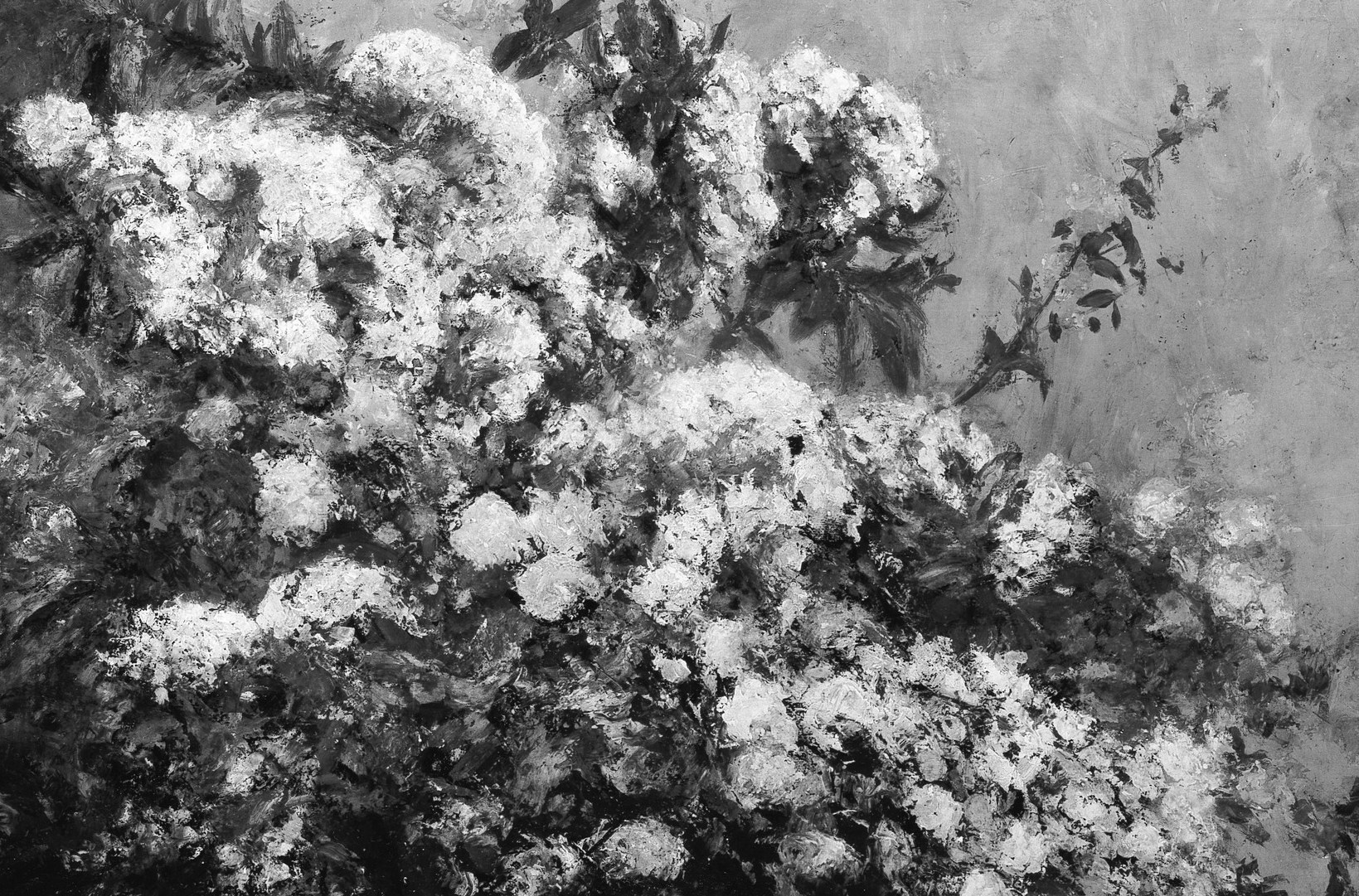
Adolphe Monticelli's "Spring Flowers," painted around 1855, is a celebration of texture and light, but it also holds a subtle secret within its expressive brushstrokes. This oil painting, rendered with remarkable impasto, invites viewers to appreciate the physical presence of the paint itself.
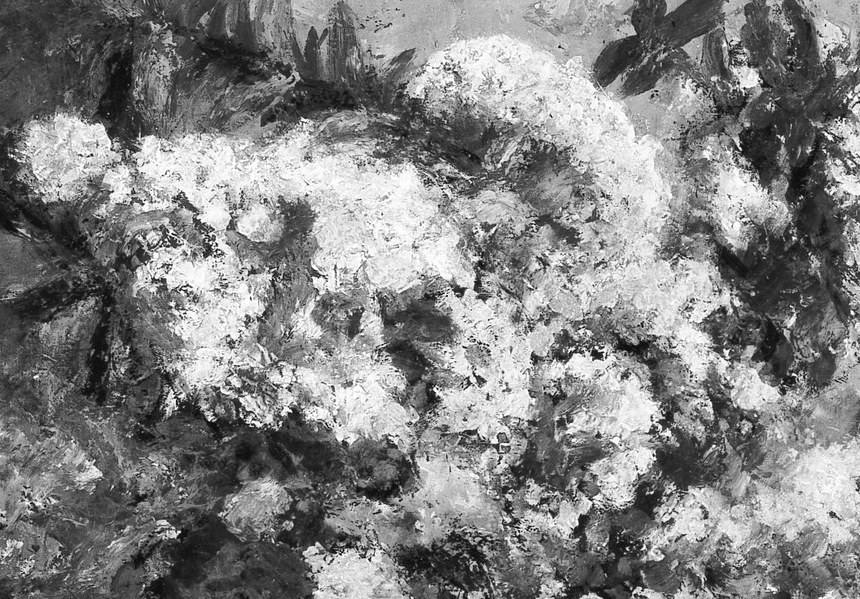
Take a moment to truly see the dense clusters of white blossoms. Monticelli applied paint in thick, almost sculptural layers, giving the flowers a tactile, three-dimensional quality against the soft, grey background.
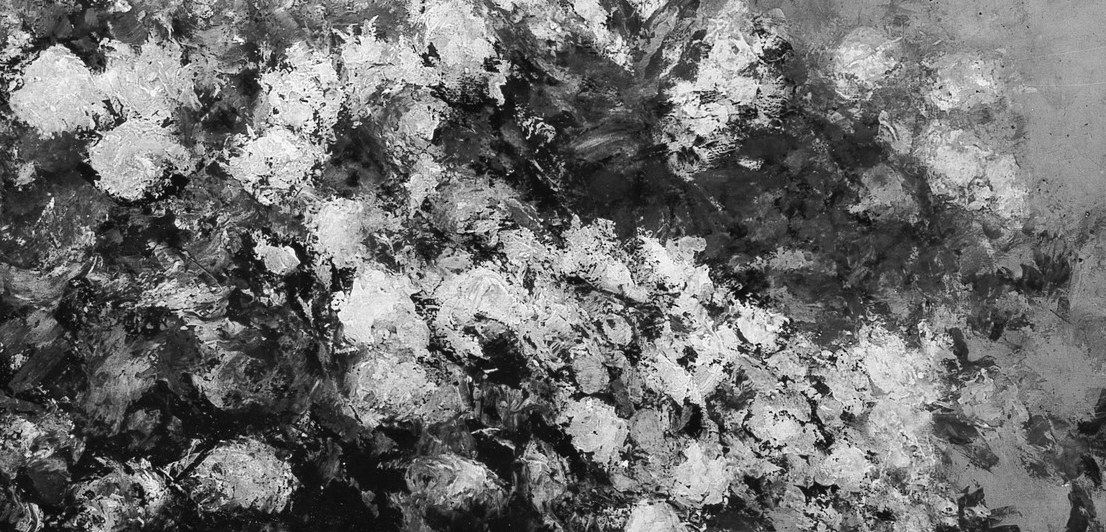
But the real discovery lies hidden in plain sight. If you look very closely in the lower right, within the dark shadows, you might just discern a faint inscription. This barely visible mark is a potential signature, a quiet personal touch from the artist almost absorbed by the lushness of his floral subject.
It's a beautiful example of how even famous works can hold intimate details, waiting to be noticed.
Details
Transcript
This painting is called Spring Flowers. It was painted by a French artist around 1855. Notice how thick the paint is, almost sculptural. Now, look closely in the shadows at the bottom right. There is a barely visible inscription, a potential signature. It's a small hint of the painter's hand, nearly lost.