Virgin and Child by Pseudo-Ambrodigio di Baldese
This 1412 painting, "Virgin and Child" by Pseudo-Ambrodigio di Baldese, is a beautiful example of early Italian devotional art, housed at the Rijksmuseum. It's not just a depiction; it's a message.
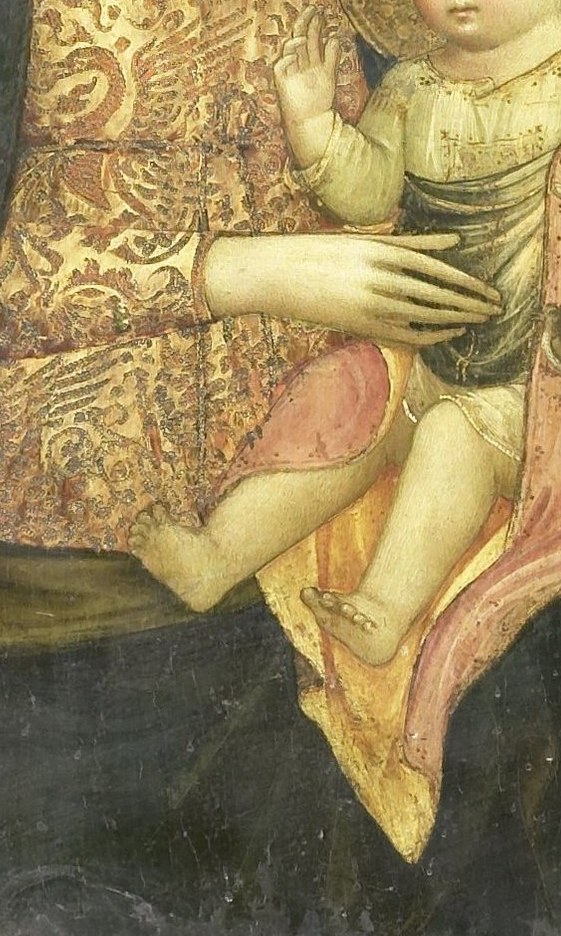
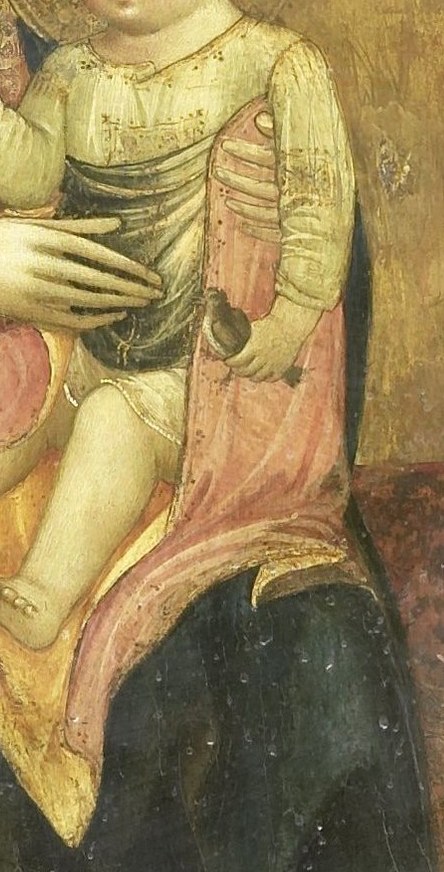
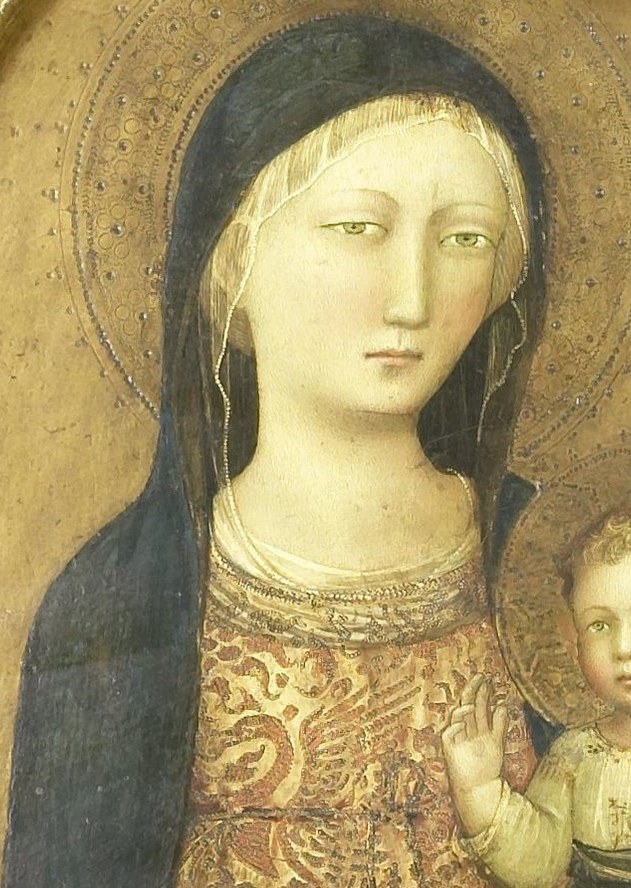
Notice the Virgin's intricate, gold-patterned robe, signifying her sacred status and importance. In contrast, the Christ Child wears a simple tunic, emphasizing his humility and connection to humanity.
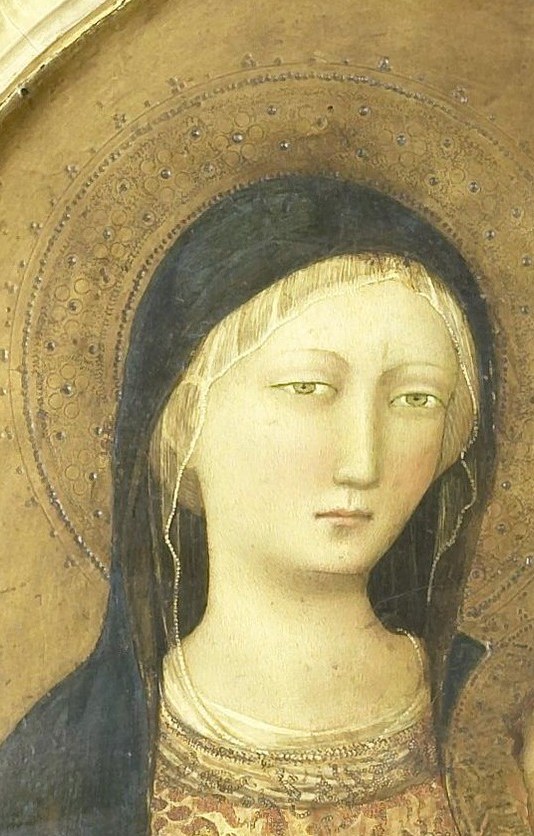
Look closely at the cross above the arch and the golden halos surrounding both figures. These are not merely decorative elements but potent symbols, reinforcing their divinity and the painting's Christian themes. The artist used these visual cues to communicate profound spiritual meaning to the viewer.
By understanding these layers, the painting transforms from a simple image into a rich visual narrative. What other symbolic elements do you notice?
Details
Transcript
This 1412 painting is a typical devotional image. Her intricate robe patterns signify sacred status. But the Child's simple tunic highlights humility. The cross above the arch reinforces Christian themes. Both halos mark them as divine figures. Together, these elements create a powerful devotional message.