Madonna and Child by Francesco Bacchiacca
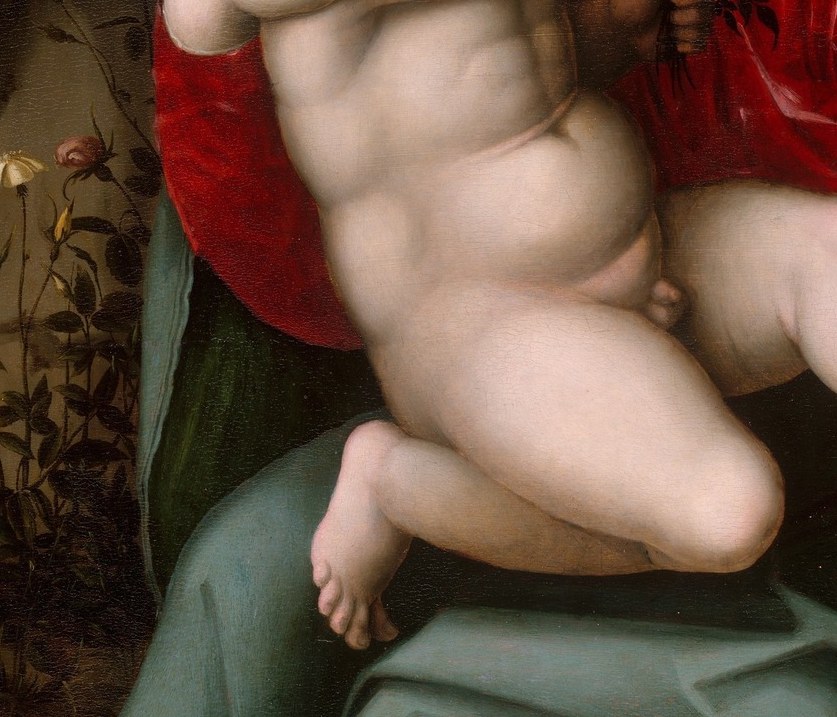
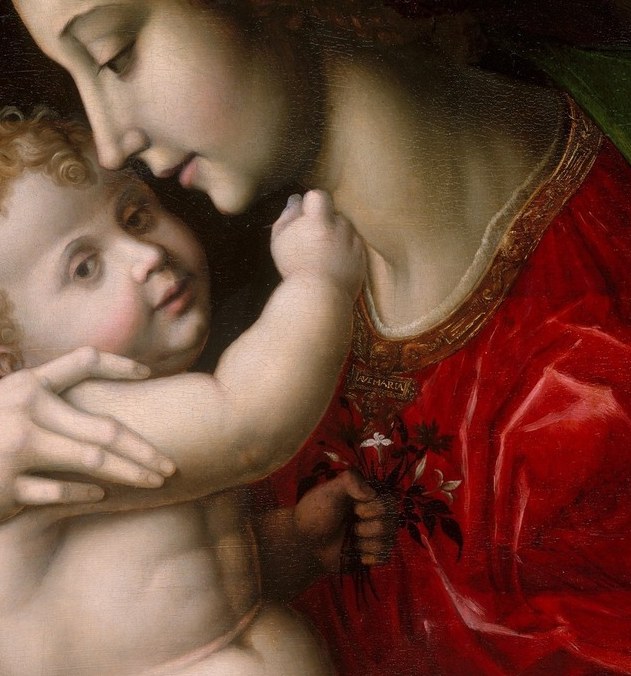
Francesco Bachiacca's "Madonna and Child" (1520) is a quiet act of survival from a time of artistic giants. While Michelangelo and Raphael redefined the human form, Bachiacca found his voice in intimate, meticulously detailed devotional panels. This painting, now at The Metropolitan Museum of Art, is a prime example of his defensive genius.
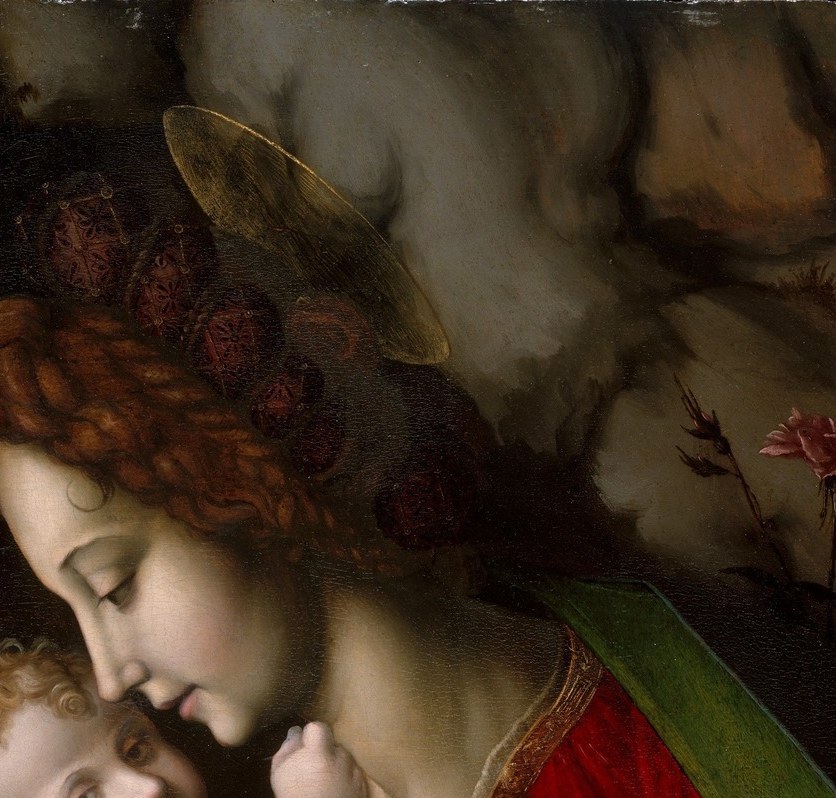
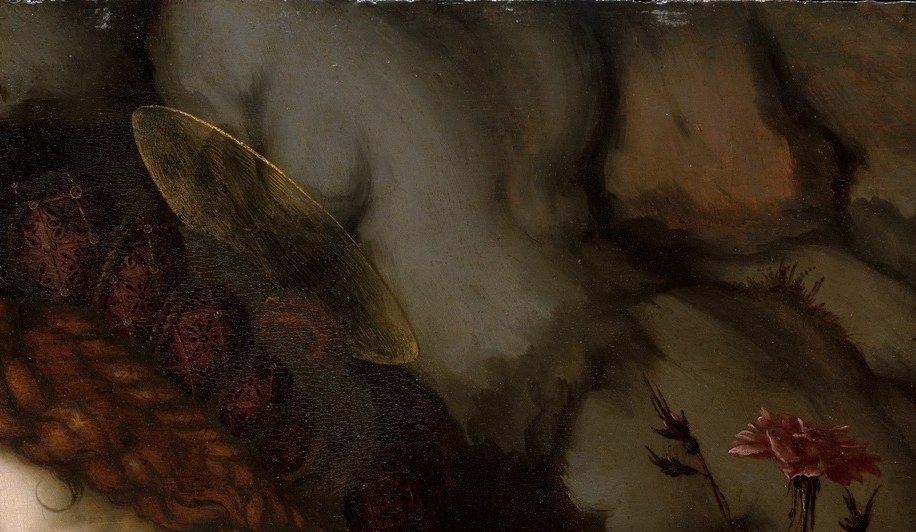
Look first at the hands. Mary's fingers don't just support the infant; they protect him with a gentle yet desperate grip. Then let your eye drift to the veil and hair. The precision there is almost microscopic. This was Bachiacca's famous skill, and also his curse, Giorgio Vasari, the era's chief biographer, dismissed him as merely a painter of small figures, plants, and costumes.
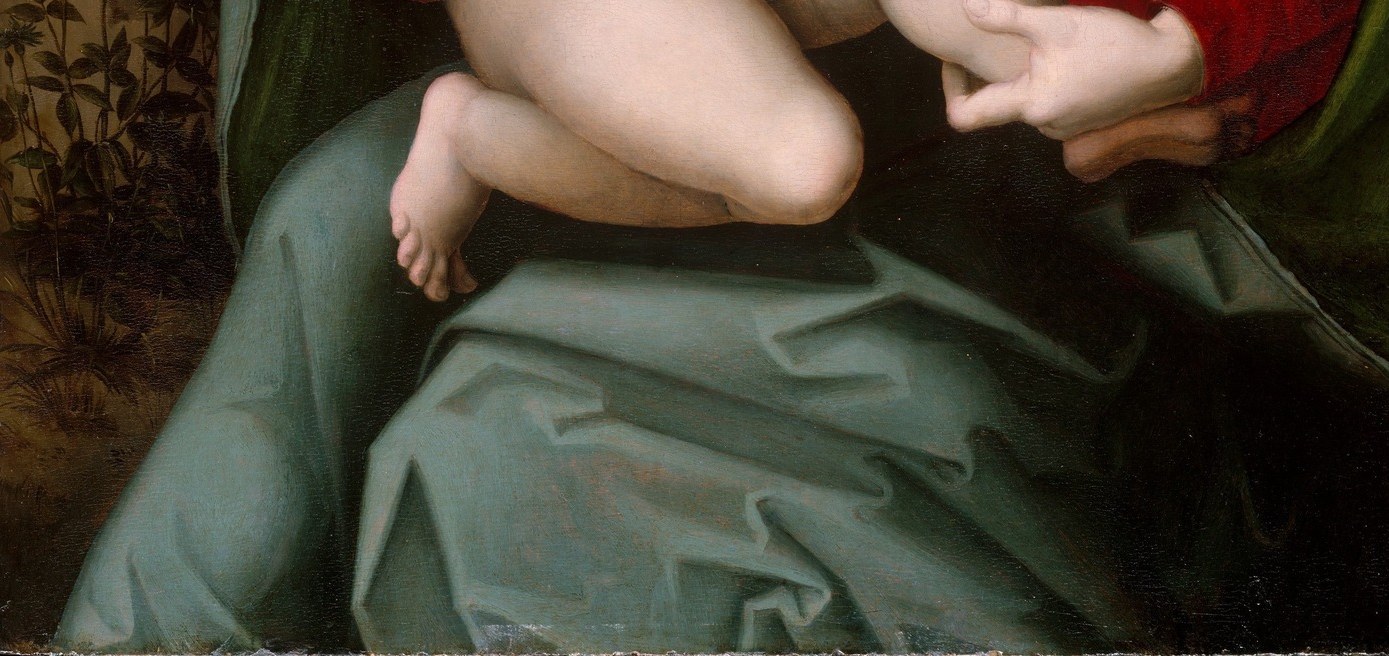
Born in 1494, Francesco Verdi grew up in a Florence dominated by larger-than-life reputations. The big public frescoes went elsewhere. So Bachiacca carved a niche serving the Medici dukes with small, cabinet-sized pictures and designs for luxury tapestries, where his Flemish-influenced detail was a virtue. His Mannerist style is on display here: the complex, almost sculptural folds of Mary's red robe and the heightened, knowing glance between mother and child.
Often overlooked in textbooks, his work reflects the truth that not all Renaissance innovation shouted from chapel ceilings. Some whispered from a wooden panel, waiting for someone to lean in close.
Details
Transcript
He lived in the shadow of Michelangelo. In Florence, giants like da Vinci got the commissions. But look at how this woman holds the child. A protective grip, and a tenderness the greats rarely showed. Her red robe isn't just color. It's a prediction of the Passion. He was mocked by Vasari for being a miniature painter. But that precision made him a Medici favorite for hidden, private works.