Margarethe Vöhlin [obverse] by Strigel, Bernhard
Bernhard Strigel’s “Margarethe Vöhlin,” painted in 1527, is a striking example of Northern Renaissance portraiture. Now housed in the Thyssen-Bornemisza Museum, this oil-on-panel work captures the elegance and status of its subject.
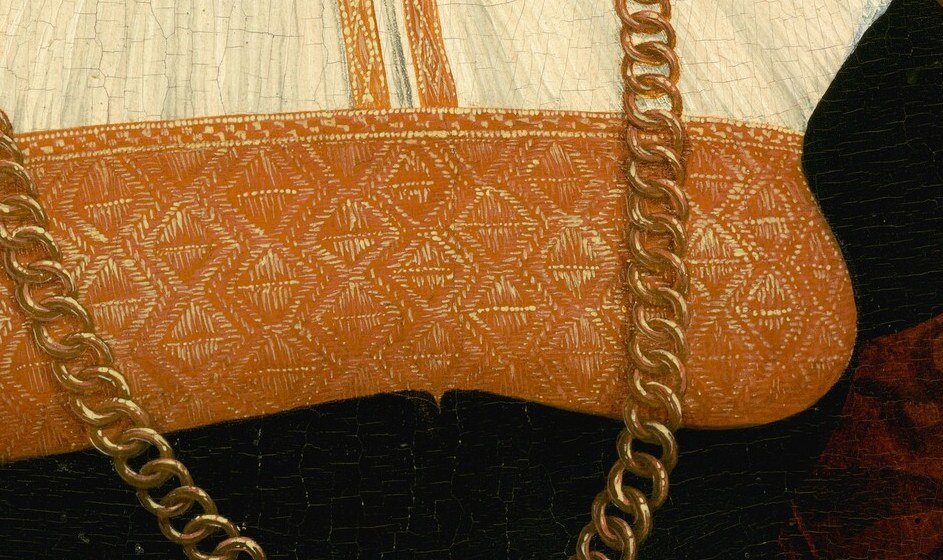
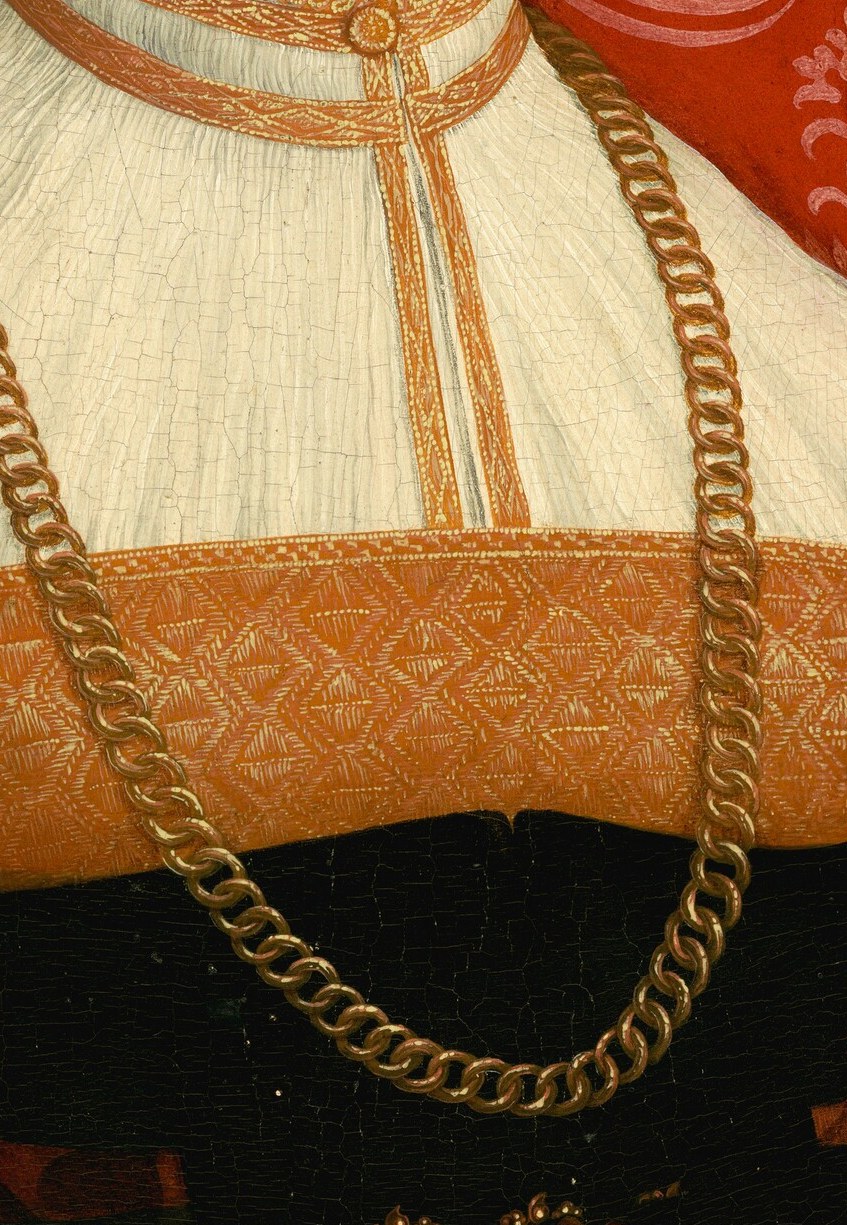
Observe the meticulous detail in Margarethe Vöhlin's attire, from the intricate pattern of her bodice to the substantial gold chain and the delicate ring on her hand. These elements not only showcase the fashion of the period but also underscore her social standing.
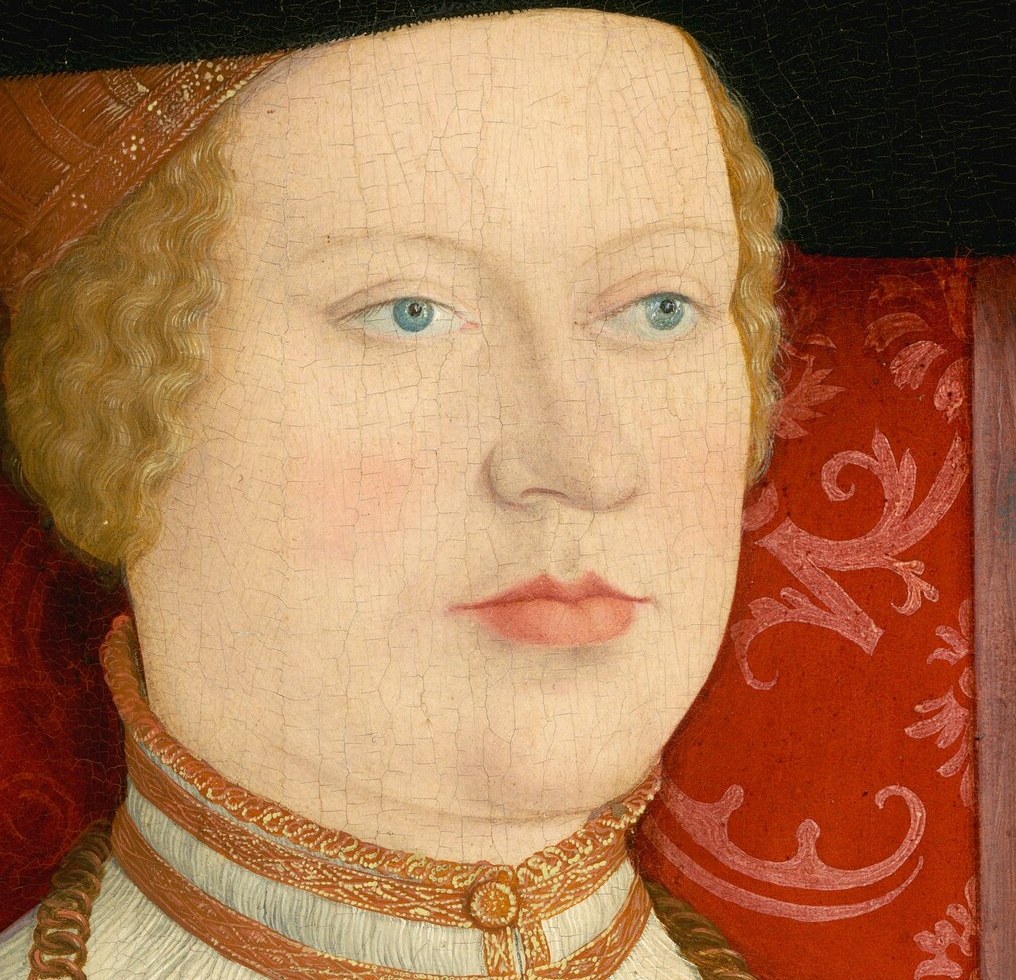
Strigel, a prominent painter of the Swabian school, was highly regarded and even worked for Emperor Maximilian I. His skill in rendering individual likenesses and the textures of fabric is evident in this compelling portrait, offering us a window into a past world.
What details in her portrait surprise you most?
Details
Transcript
Meet Margarethe Vöhlin, painted in 1527. Her portrait shows the wealth and style of her time. This gold chain was a symbol of her status. Look closely at her hand, and the ring she wears. This painter, Bernhard Strigel, was favored by emperors. He captured her serene gaze with incredible detail.