Abraham's Parting from the Family of Lot by Jan Victors
View the artwork: Abraham's Parting from the Family of Lot →
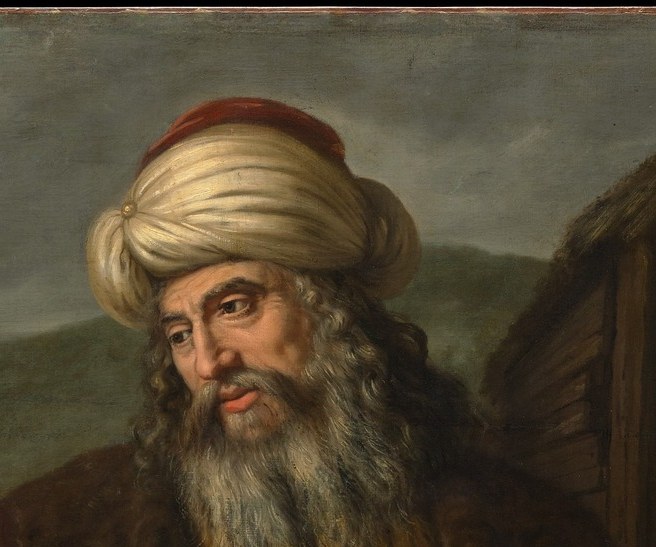
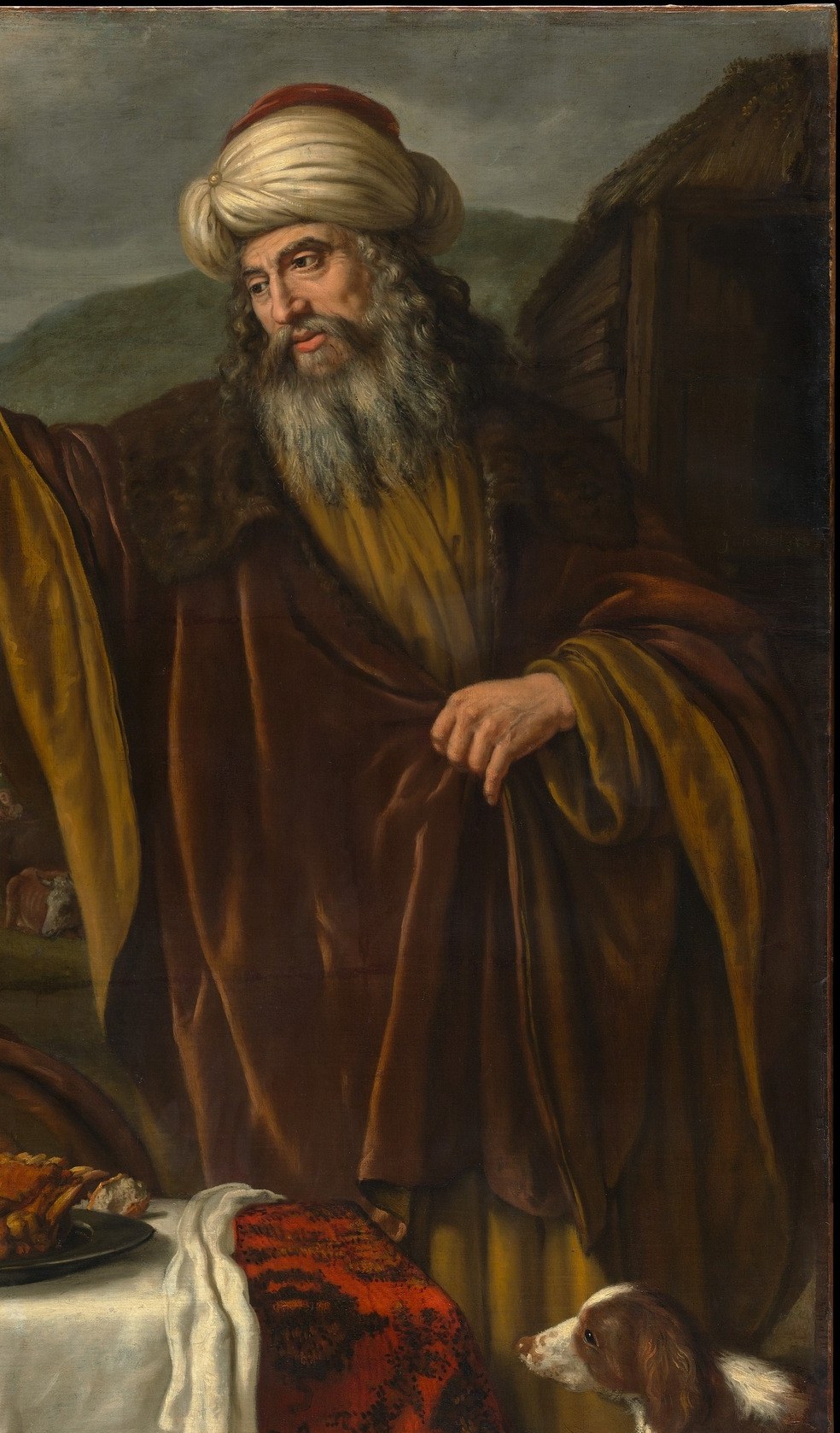
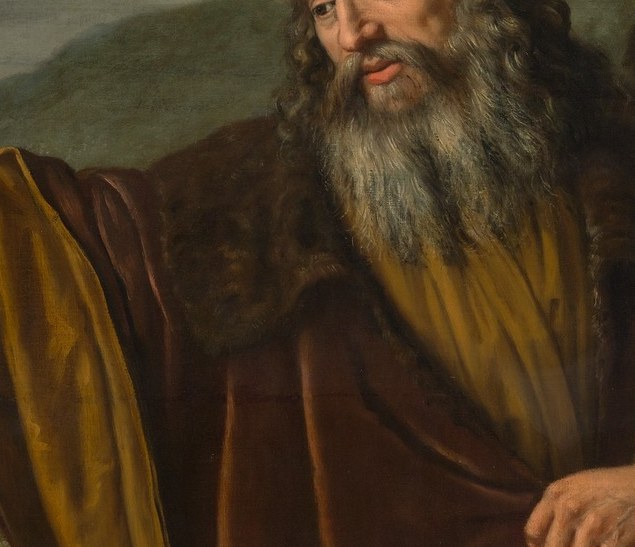
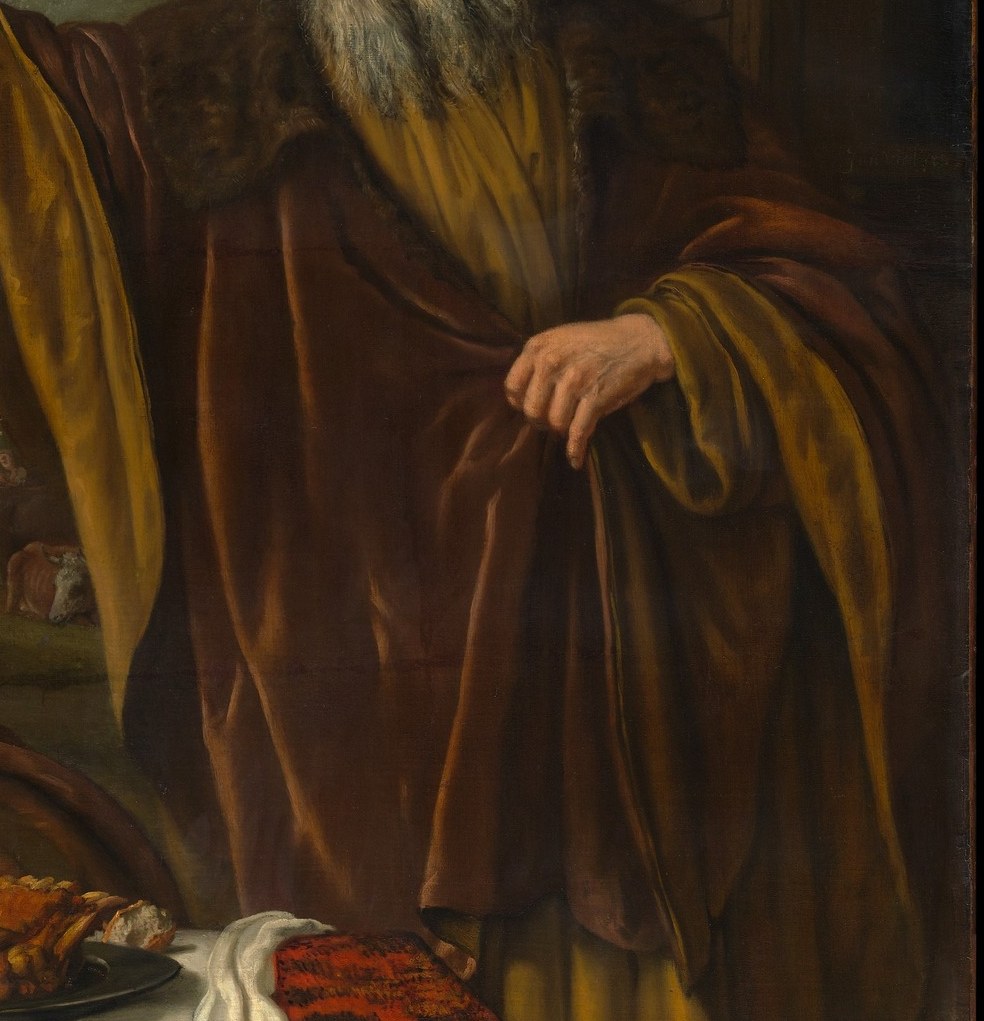
Jan Victors's 'Abraham's Parting from the Family of Lot' (c. 1655-65) captures the exact moment a family splits in two. Based on Genesis 13, it shows Abraham urging his nephew Lot to choose separate lands before Lot departs for Sodom. Painted in Amsterdam during the Dutch Golden Age, it now lives at the Metropolitan Museum of Art in New York.
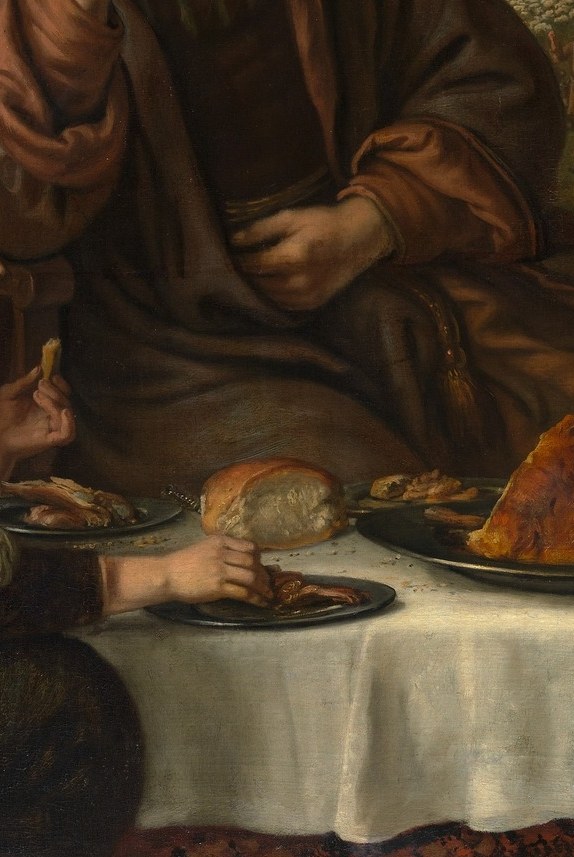
The painting's emotional weight rests on two faces. Lot's expression sits somewhere between resignation and sorrow as he faces his patriarch. And barely visible at the table's edge, a small child watches silently, a figure who transforms this biblical negotiation into something far more human: a family rupture witnessed by the most vulnerable person in the room.
For more than two centuries, the Met misidentified the subject as Jacob and Laban. German art historian Volker Manuth corrected the iconography in 1987, restoring the painting's true story. Victors, a Calvinist who avoided depicting Christ or angels, was long presumed a Rembrandt pupil but is now understood as an independent voice, one who chose this rare biblical scene himself.
The dog resting quietly in the corner, the roasted farewell meal on the table, the child who says nothing, all of it points to a household ending not with violence, but with silence. What do you notice in the shadows behind the central group?
#arthistory #dutchgoldenage #biblicalart
Details
Transcript
They look like an ordinary family at dinner. But this meal marks the end of a household. Abraham points the way. Lot must leave, and choose. His face holds the weight of a man about to lose his kin. For 200 years, museums thought this was Jacob and Laban. A hidden child watches the adults decide his future. The story was corrected only in 1987. A silent witness to the moment a family splits in two.