The Ropewalk in Edam by Max Liebermann
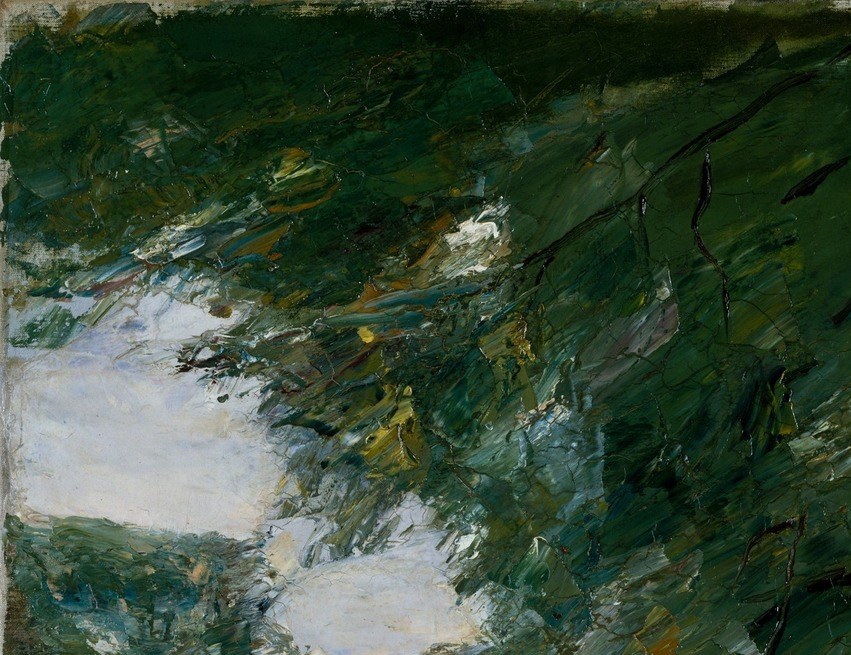
Max Liebermann's 'The Ropewalk in Edam' (1904), housed in the Kunsthaus Zürich, is a painting that outlasted an empire's attempt to erase its creator. It depicts the ancient craft of rope-making in a small Dutch town, but its true subject is something far harder to kill: human dignity found in physical labor.
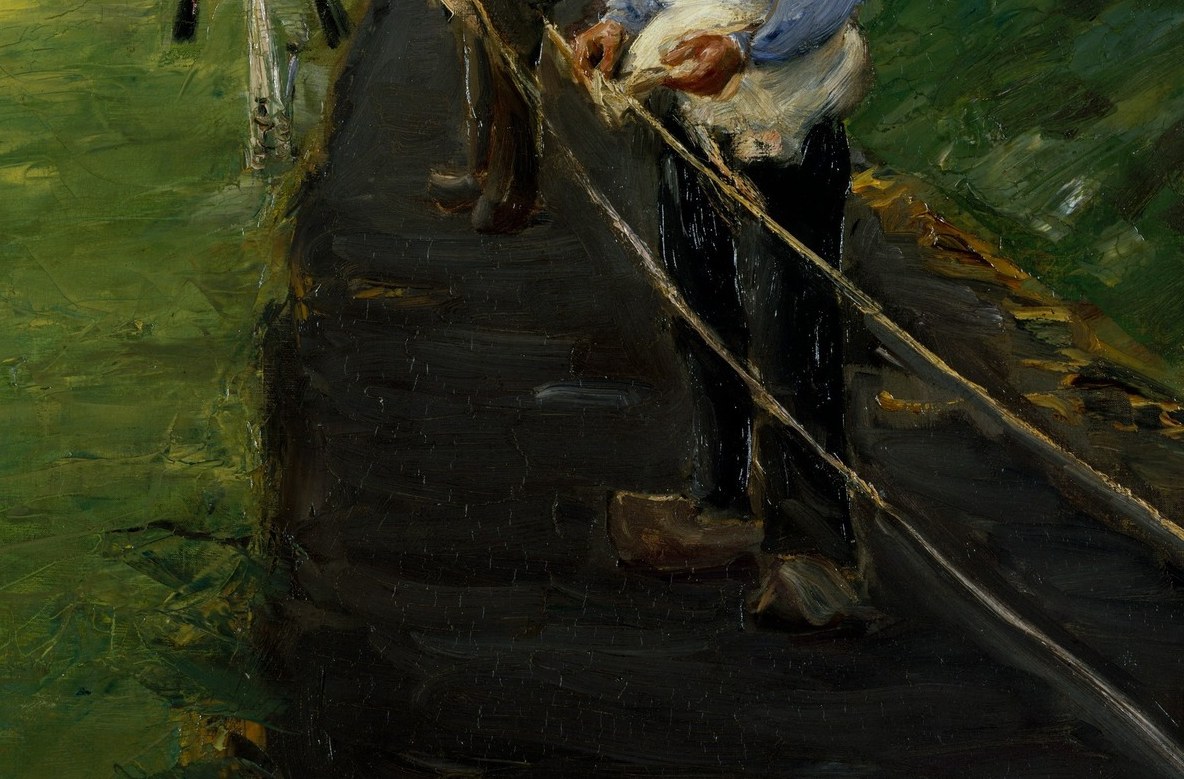
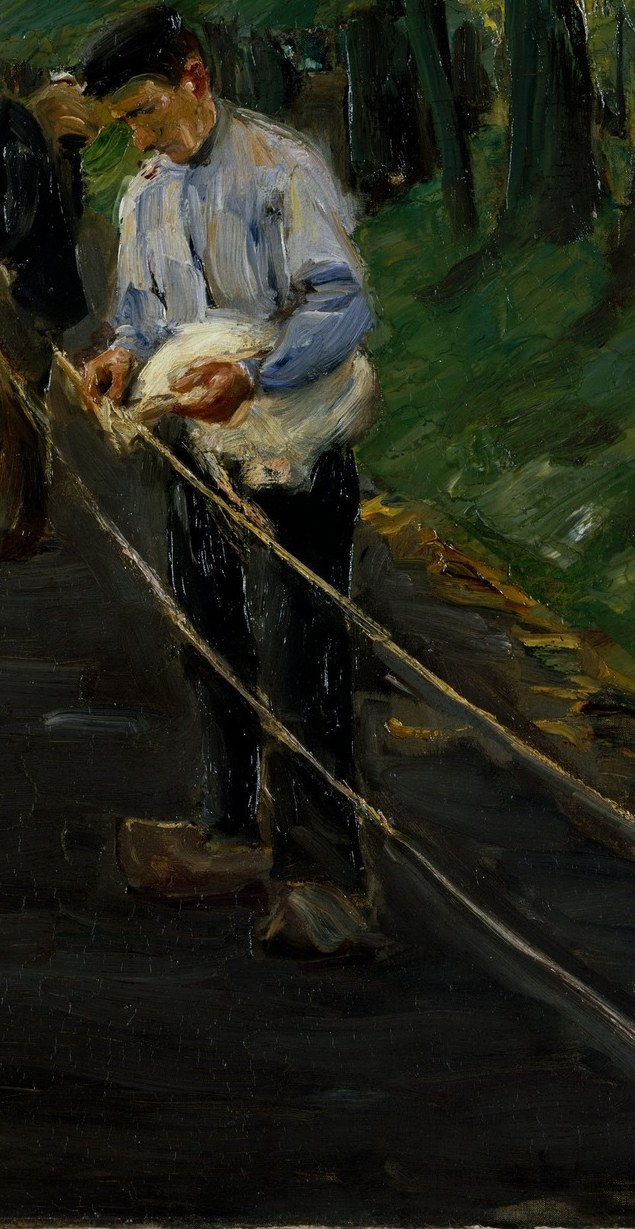
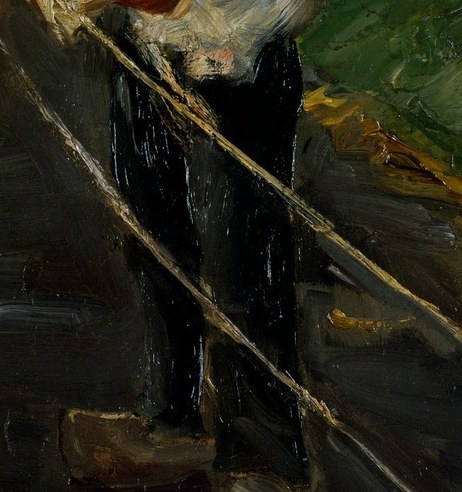
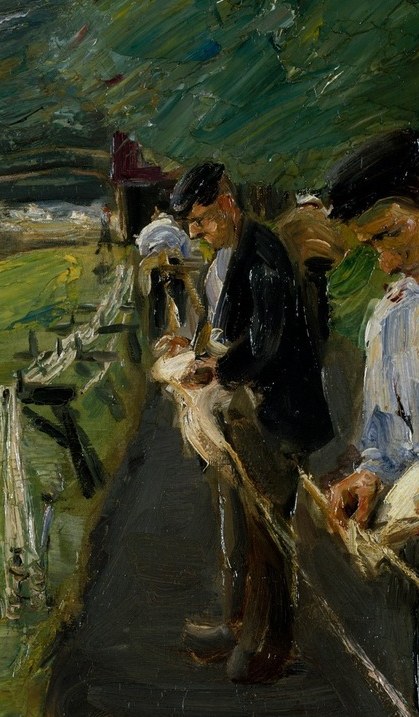
Look at the foreground worker's hands, clenched around the heavy rope. Liebermann doesn't idealize the man; he simply watches the weight of his body pulling against the line, the specific, practiced grip of a craft learned over a lifetime. The rope itself angles across the composition, dragging your eye deep into the tree-lined walk, a path measured not in meters, but in decades of repetition. The two dim figures in the distance show you the staggering length, historically hundreds of meters, required to twist a single ship's cable.
Liebermann, a leading German Impressionist and the son of a wealthy Jewish banker, had a deep affinity for Dutch life, visiting the Netherlands frequently to paint scenes of work and community. He brought back the loose, light-drenched brushwork of Paris and applied it to the gritty, communal toil of Edam's rope-makers. He believed art should show the world as it was lived, not as mythology.
Under the Third Reich, Liebermann was forced out of the presidency of the Prussian Academy of Arts. His works, once celebrated, were confiscated from museums and labeled 'degenerate.' He died in 1935, isolated and in his 80s, by his wife's bedside. This painting survives as a quiet refutation: a work of art vanishes not when a regime bans it, but when we stop recognizing ourselves in the people it preserves.
Details
Transcript
A man, a rope, and a lane of trees. That's the whole painting. But the painter studied this craft closely. Max Liebermann wanted to capture the rhythm of honest work. Look at his hands. The grip is everything. Liebermann was a proud German and a proud Jew. When the Nazis took power, they forced him to resign. He died in 1935, his life's work declared 'degenerate.' But here, a worker's grip on a rope outlasts everything.